News
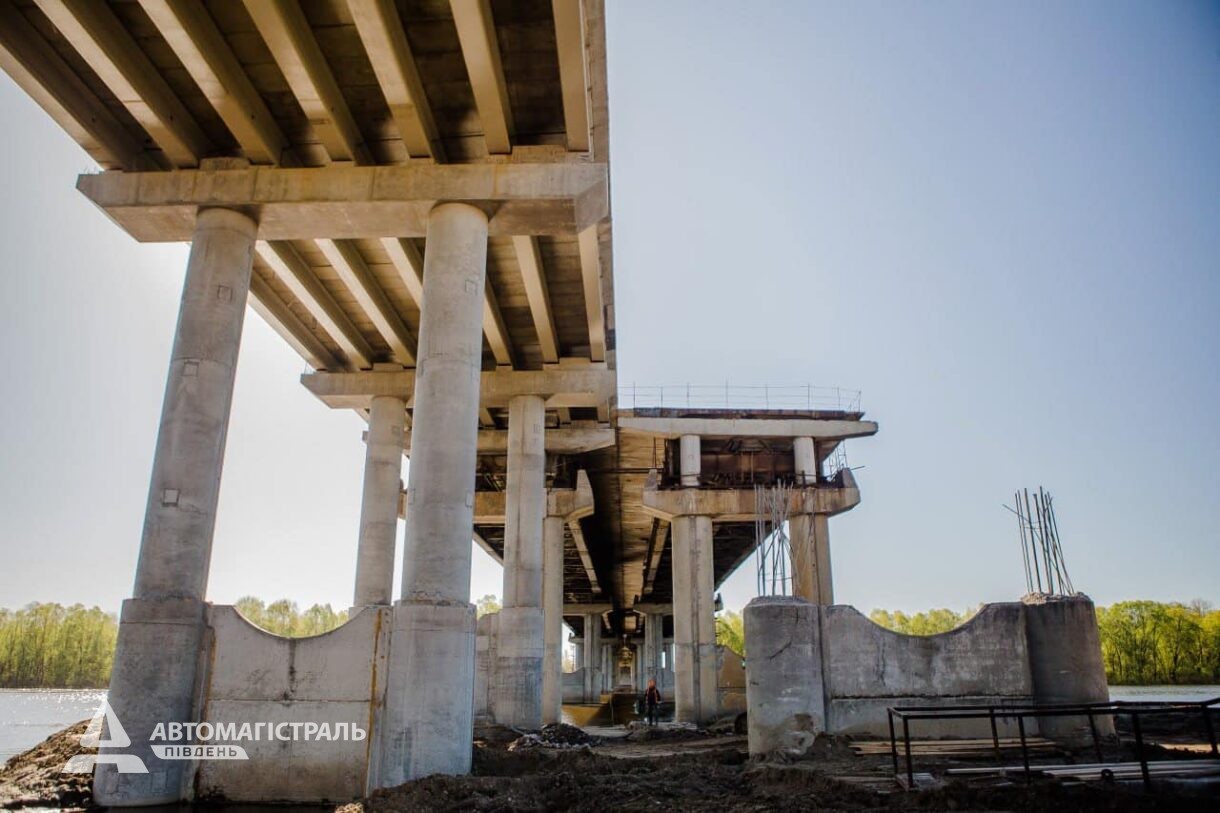
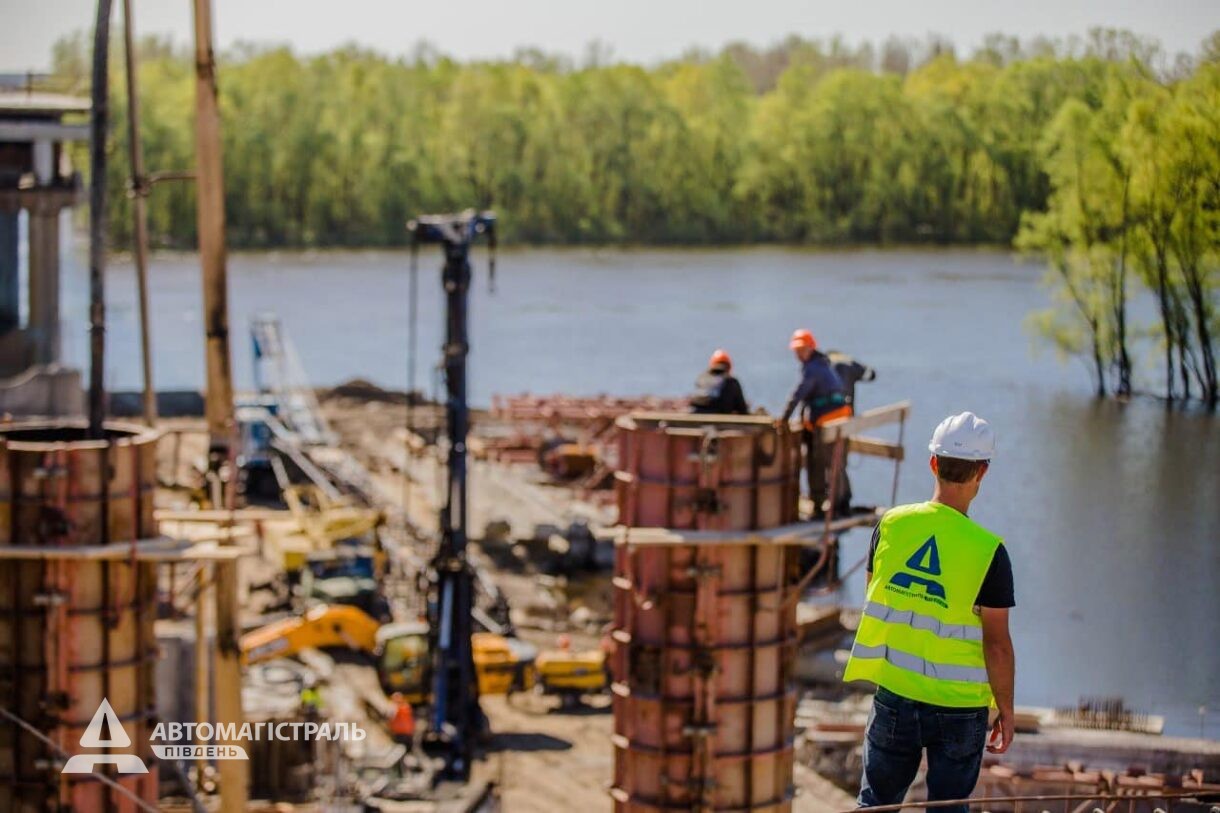
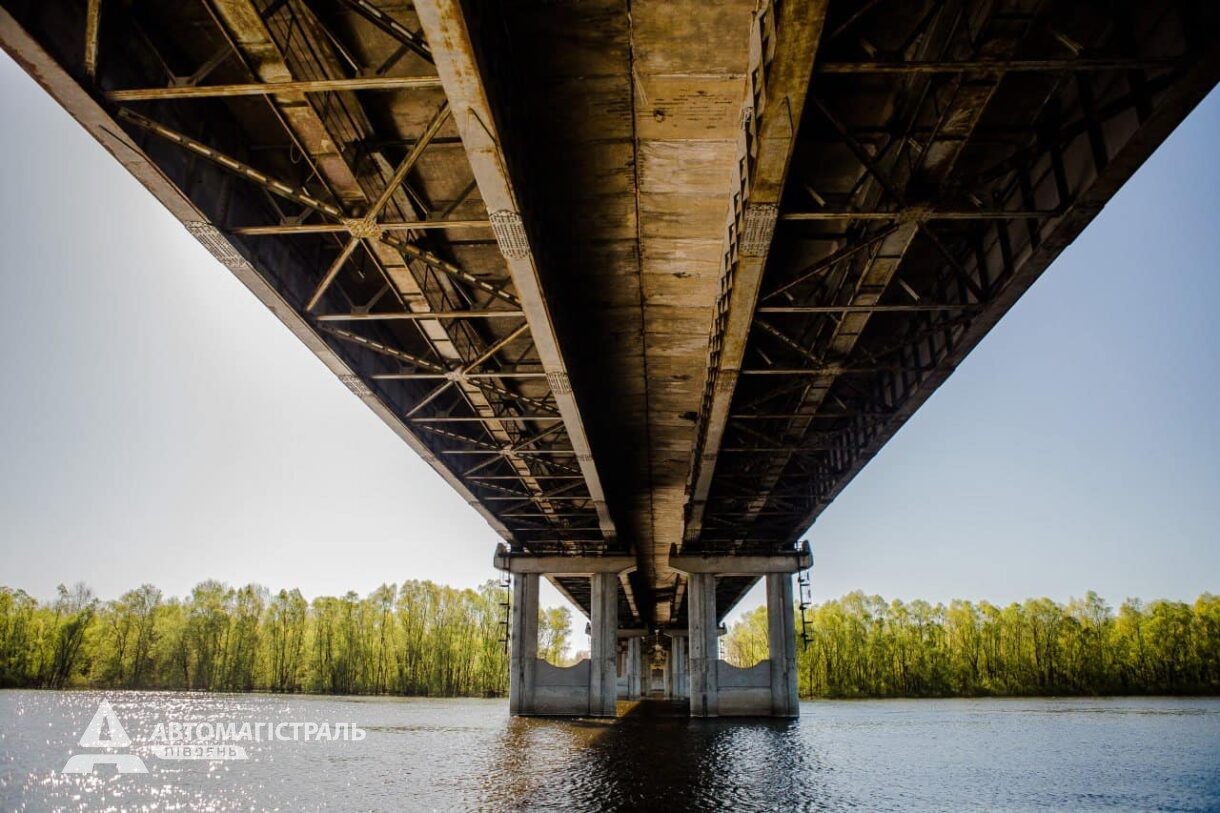
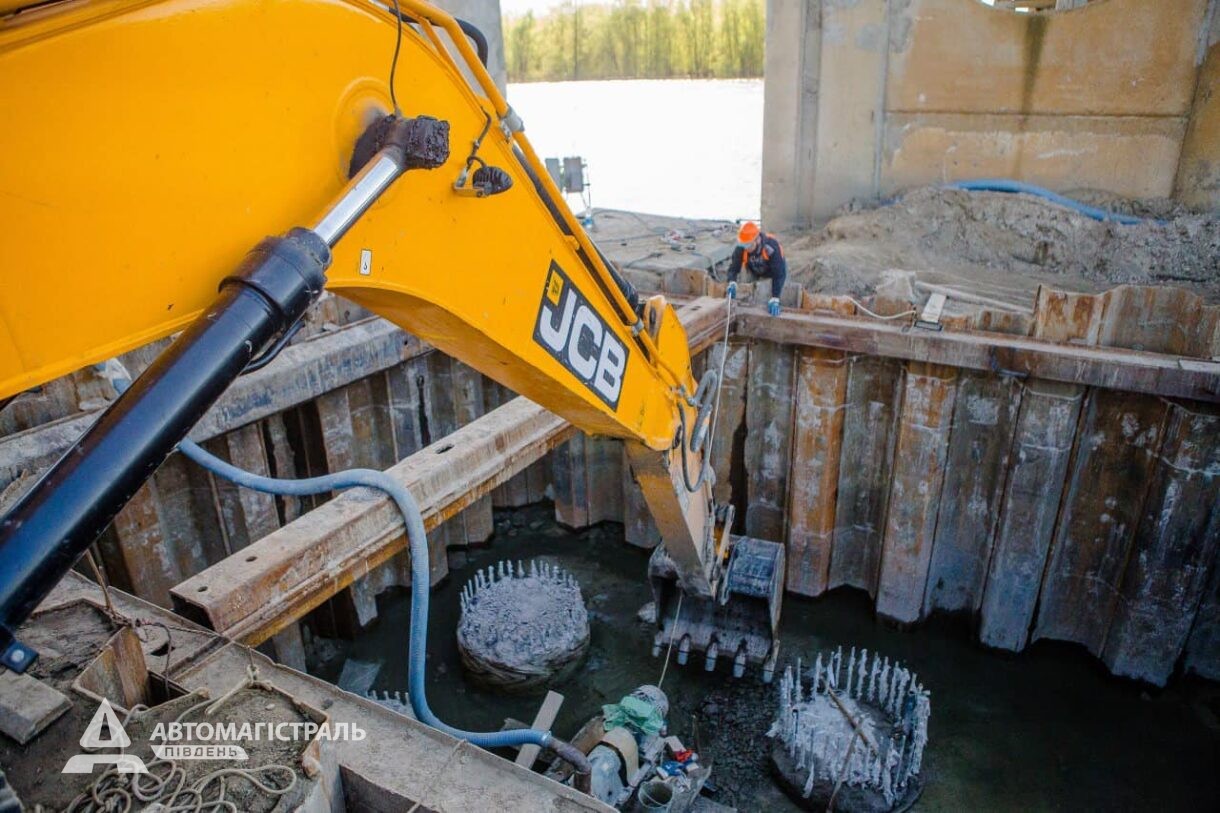
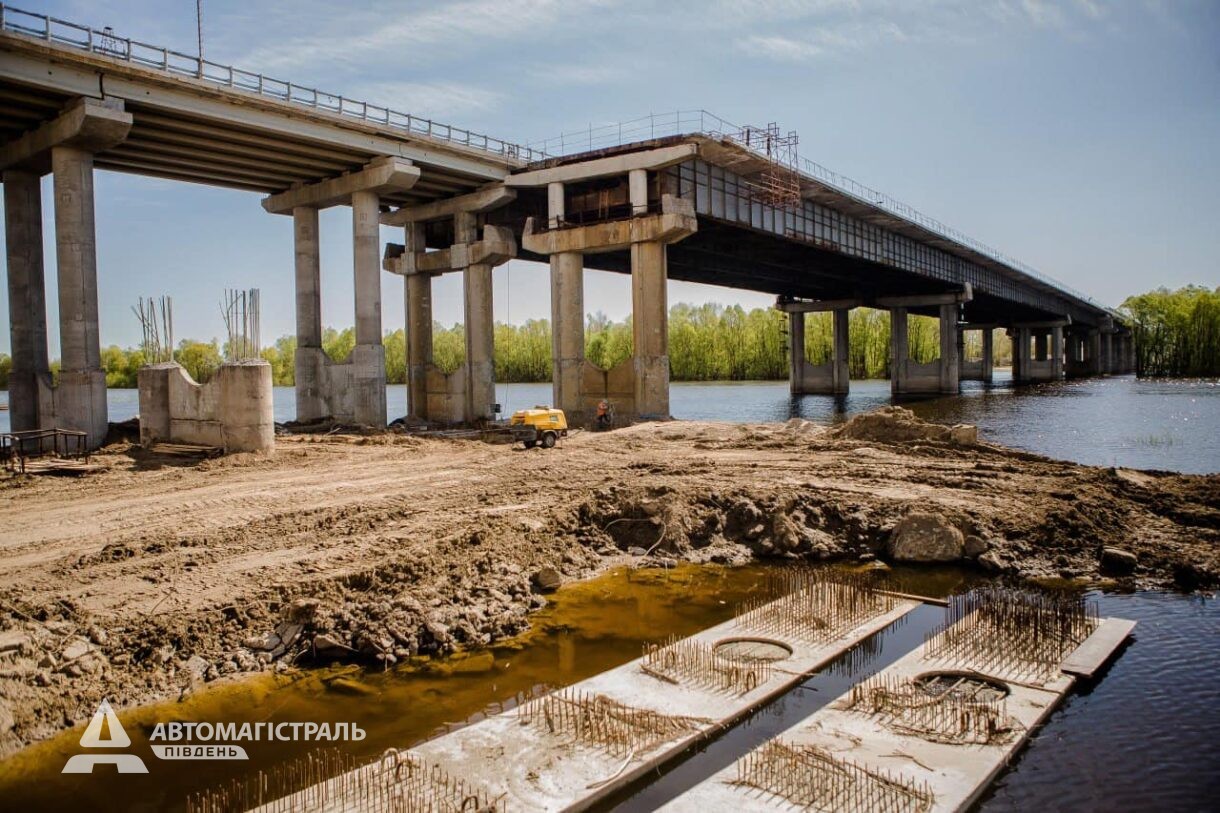
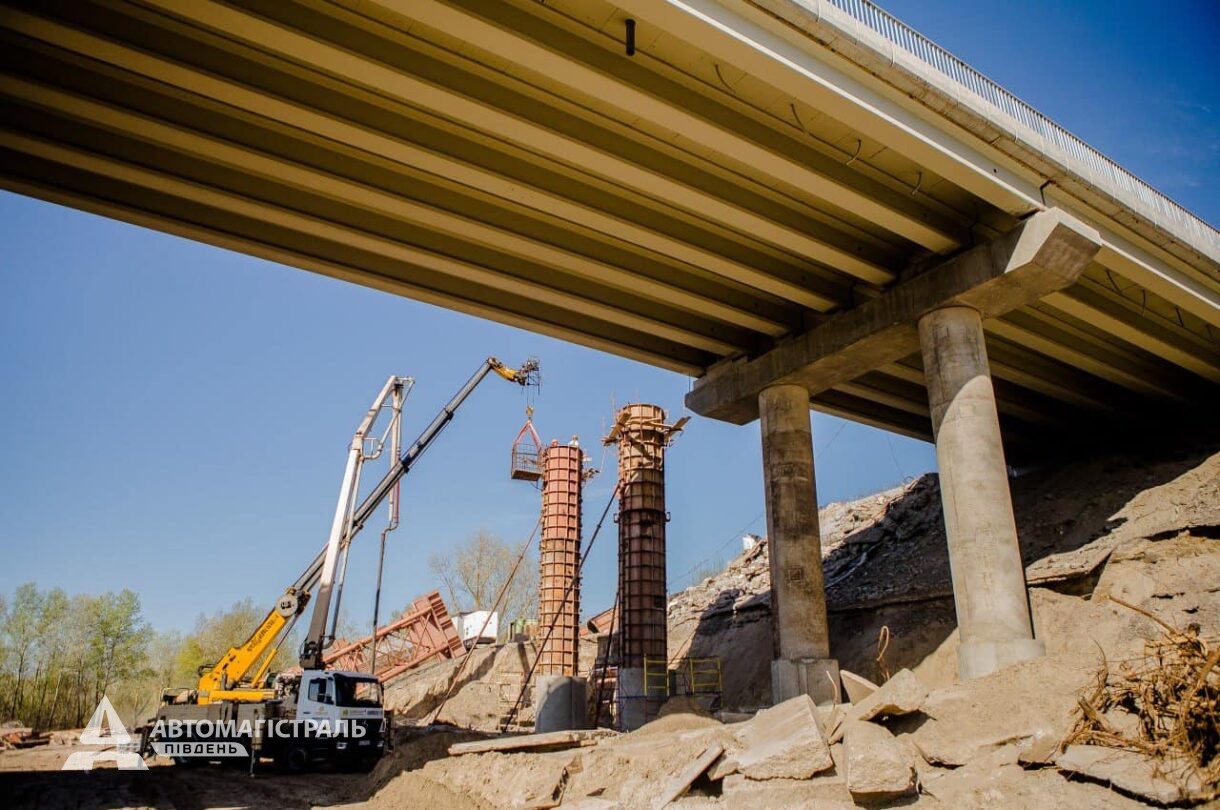
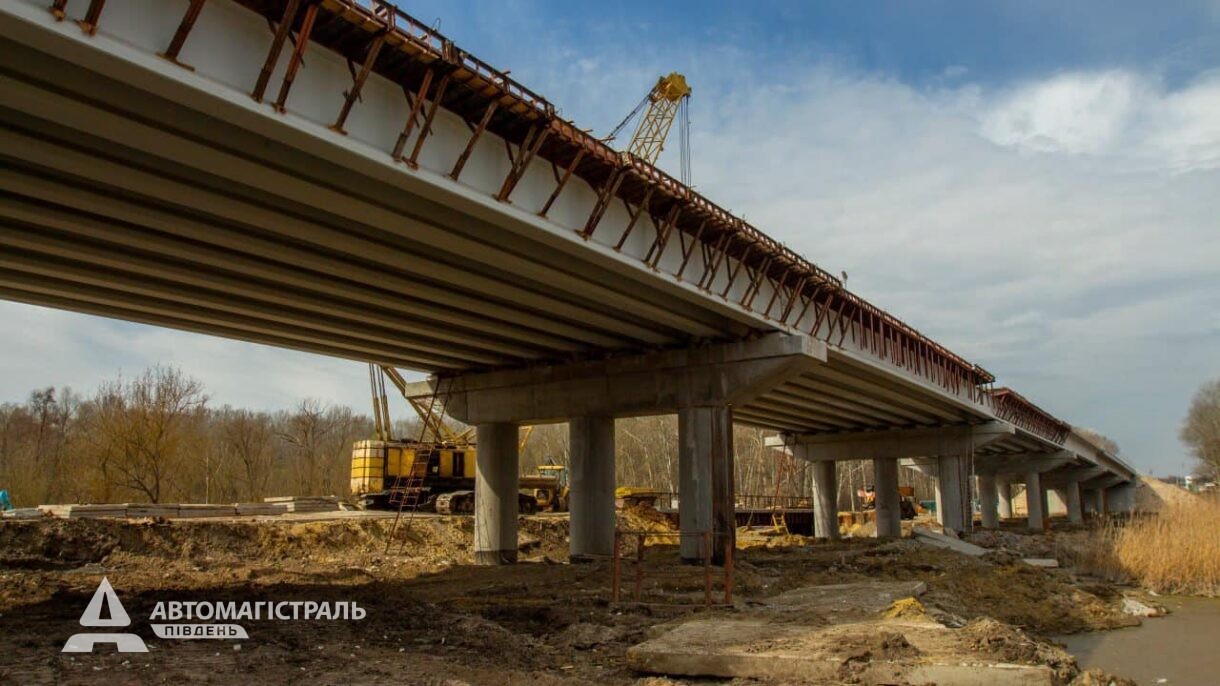
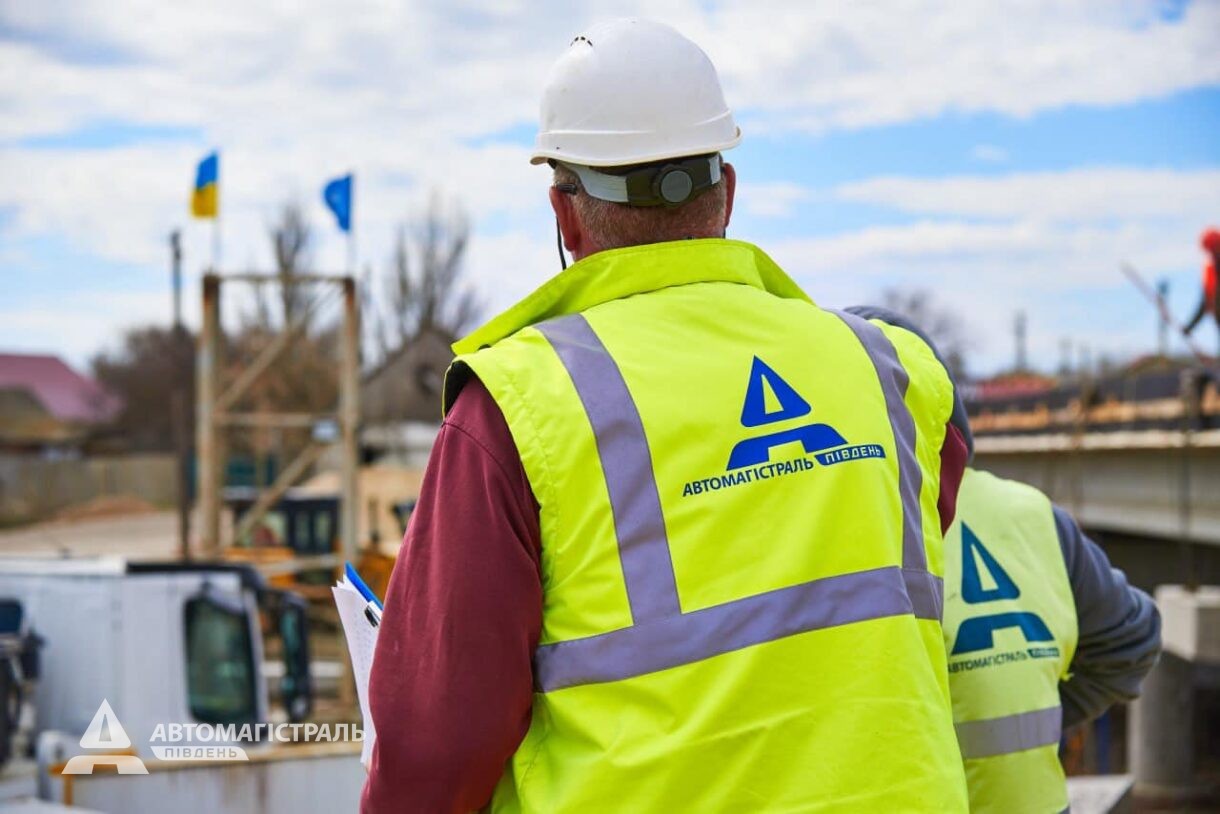
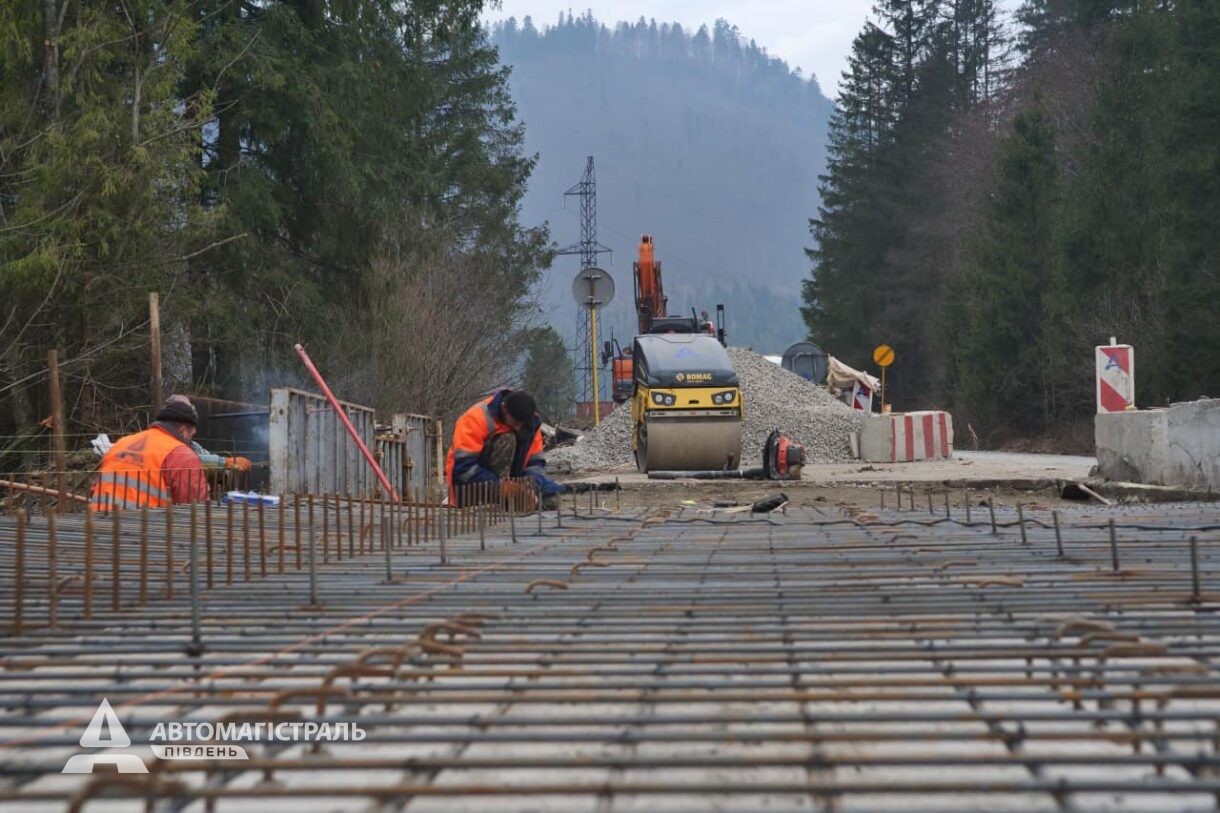
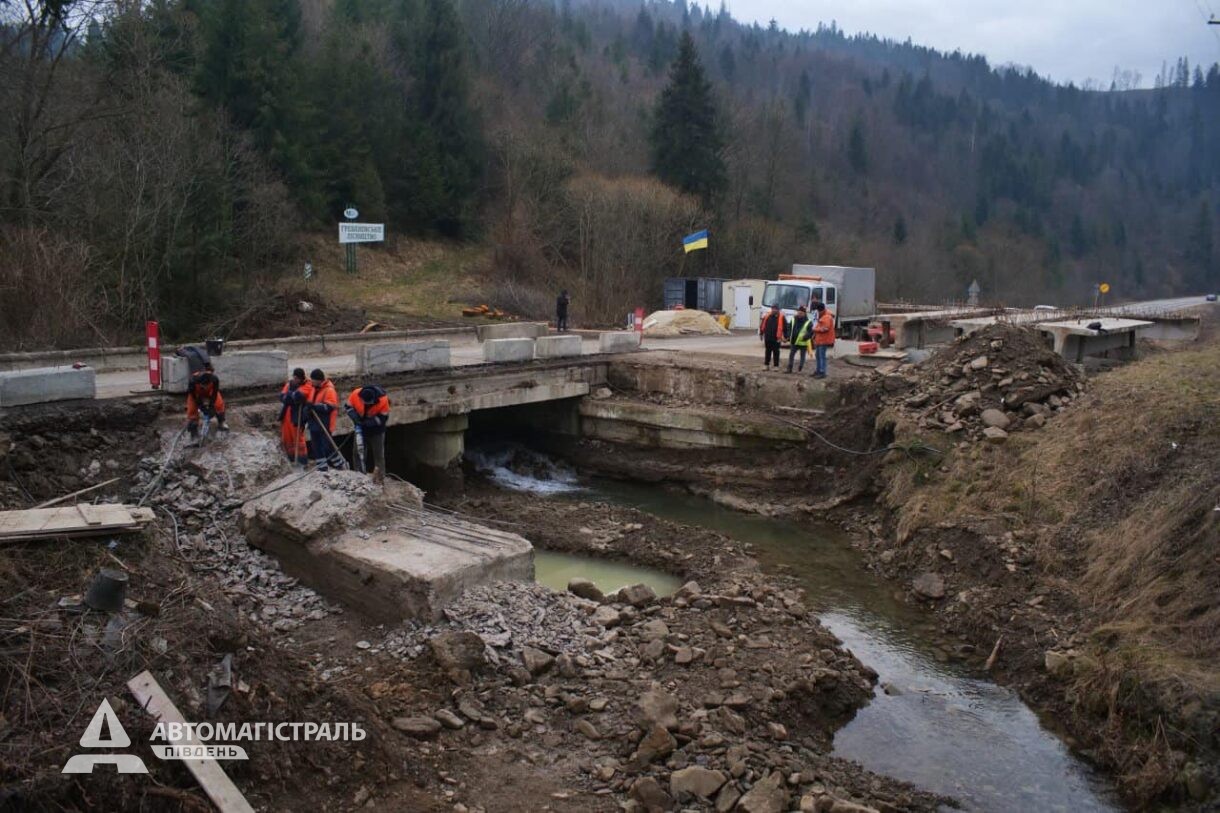
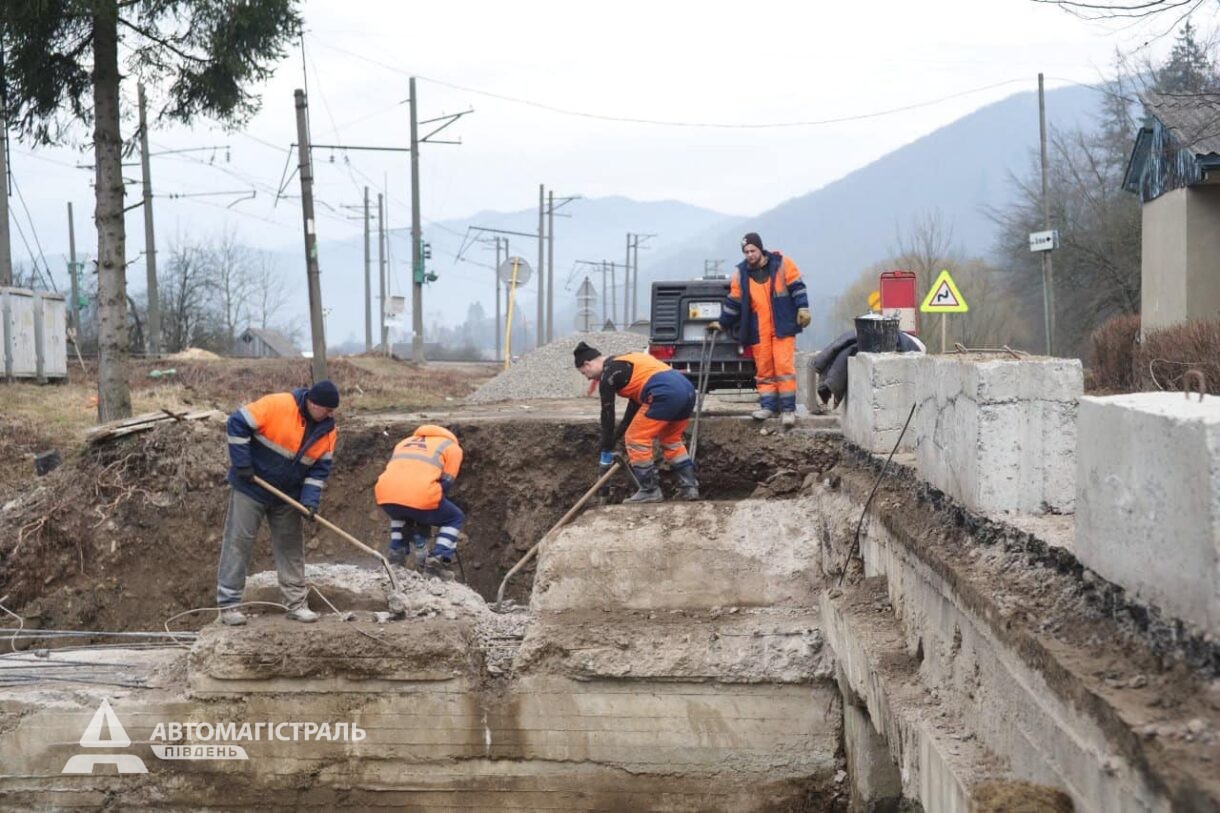
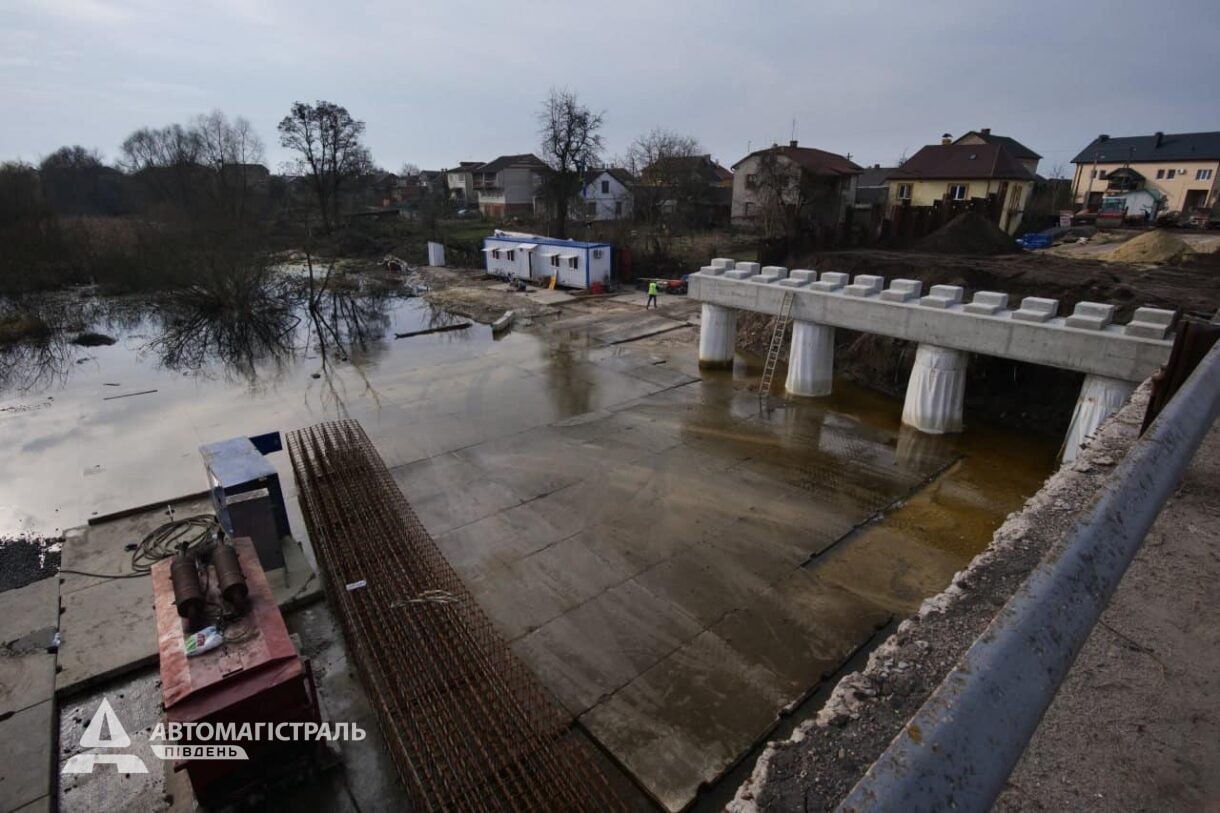
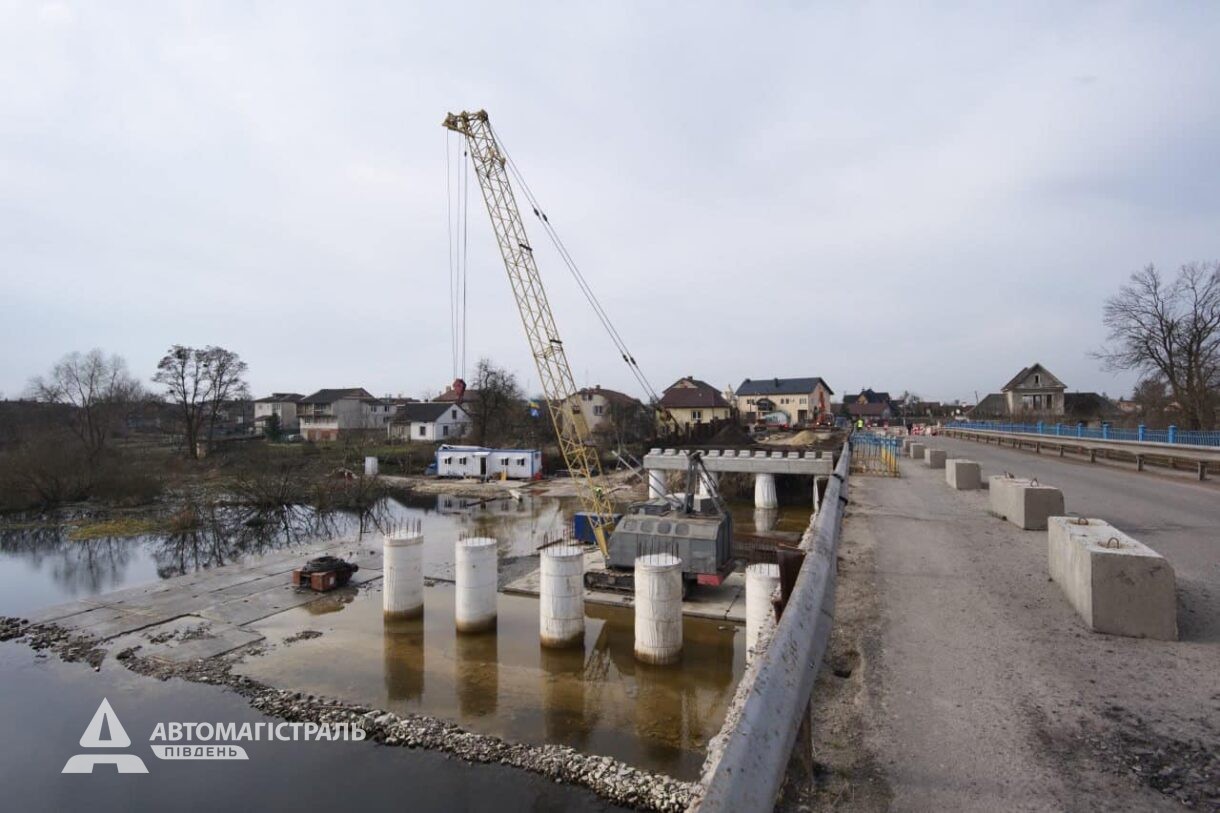
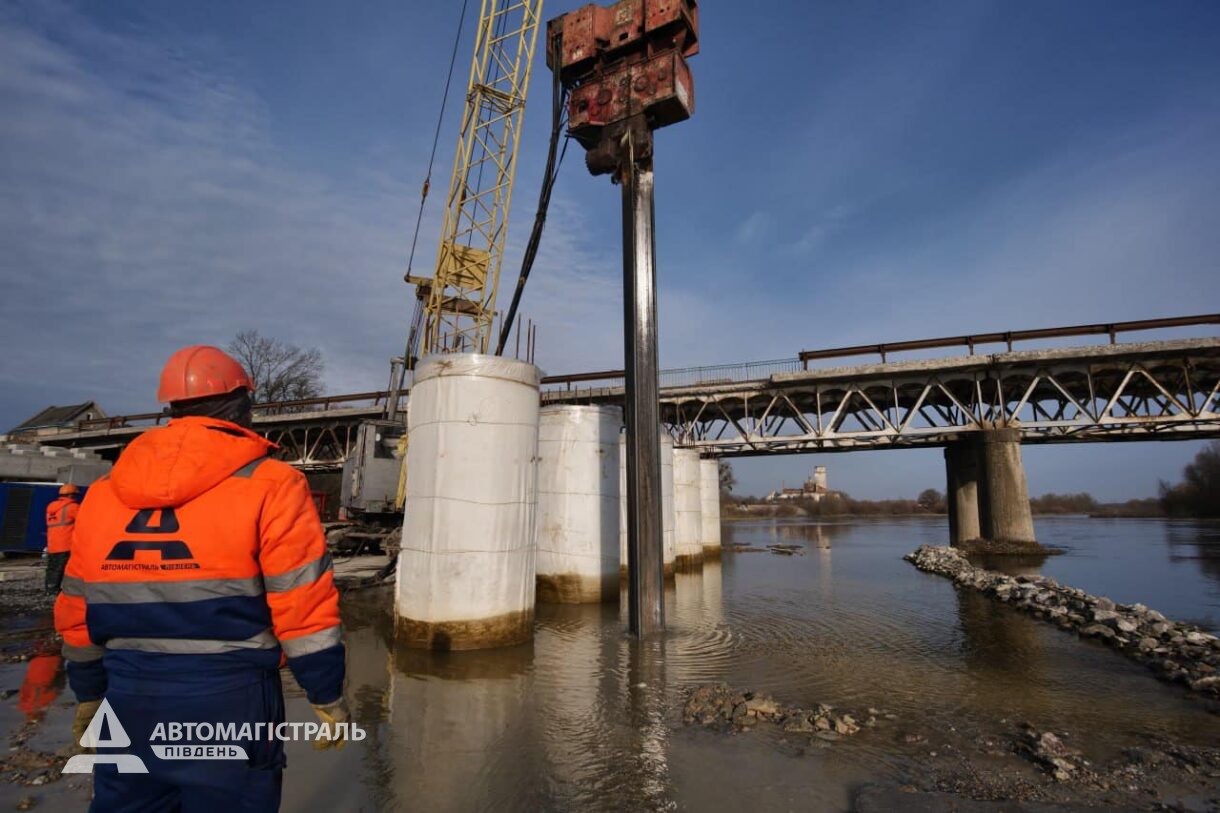
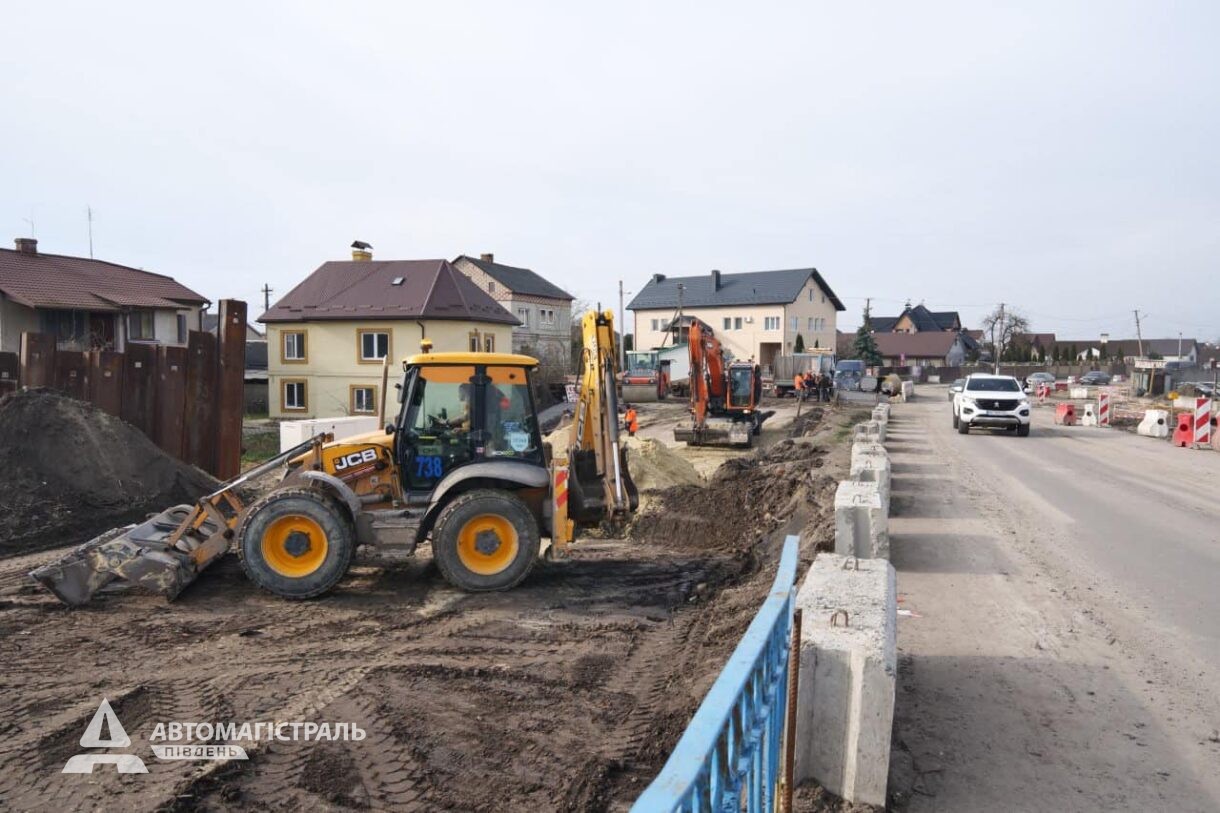
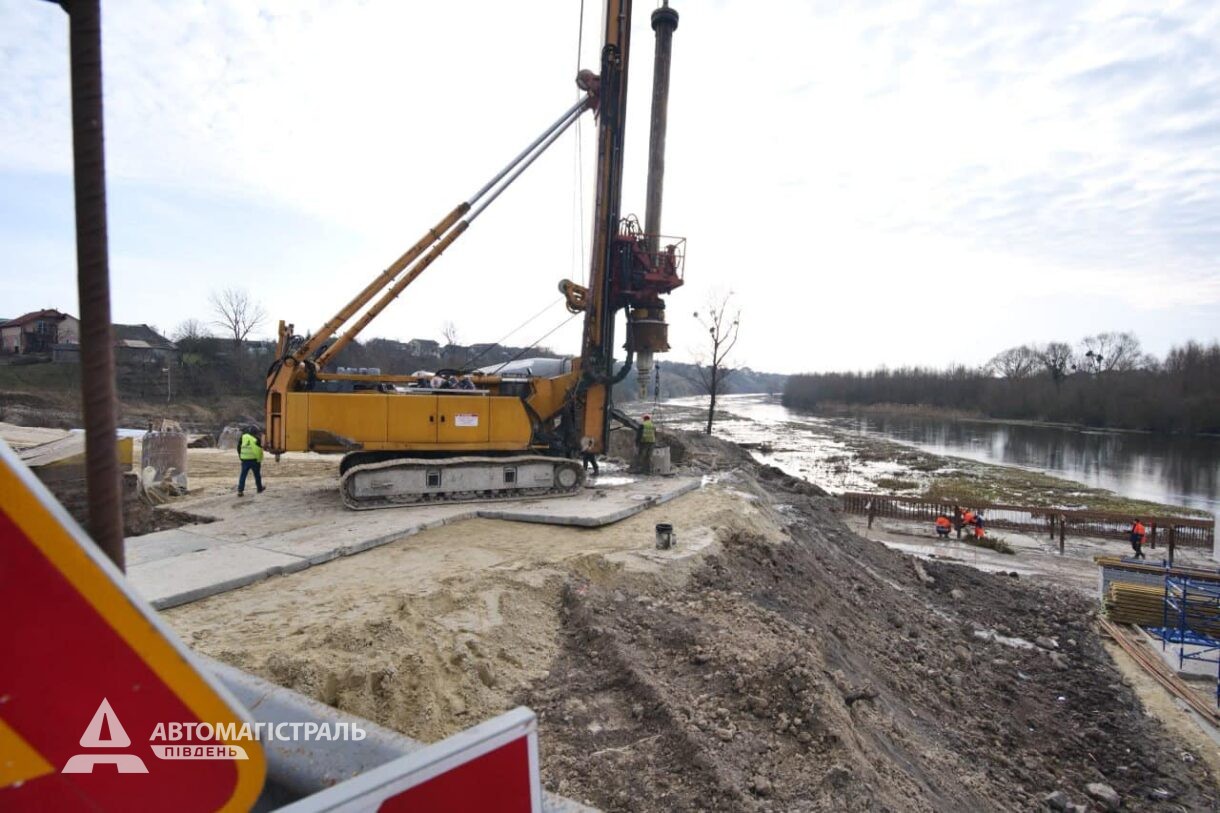
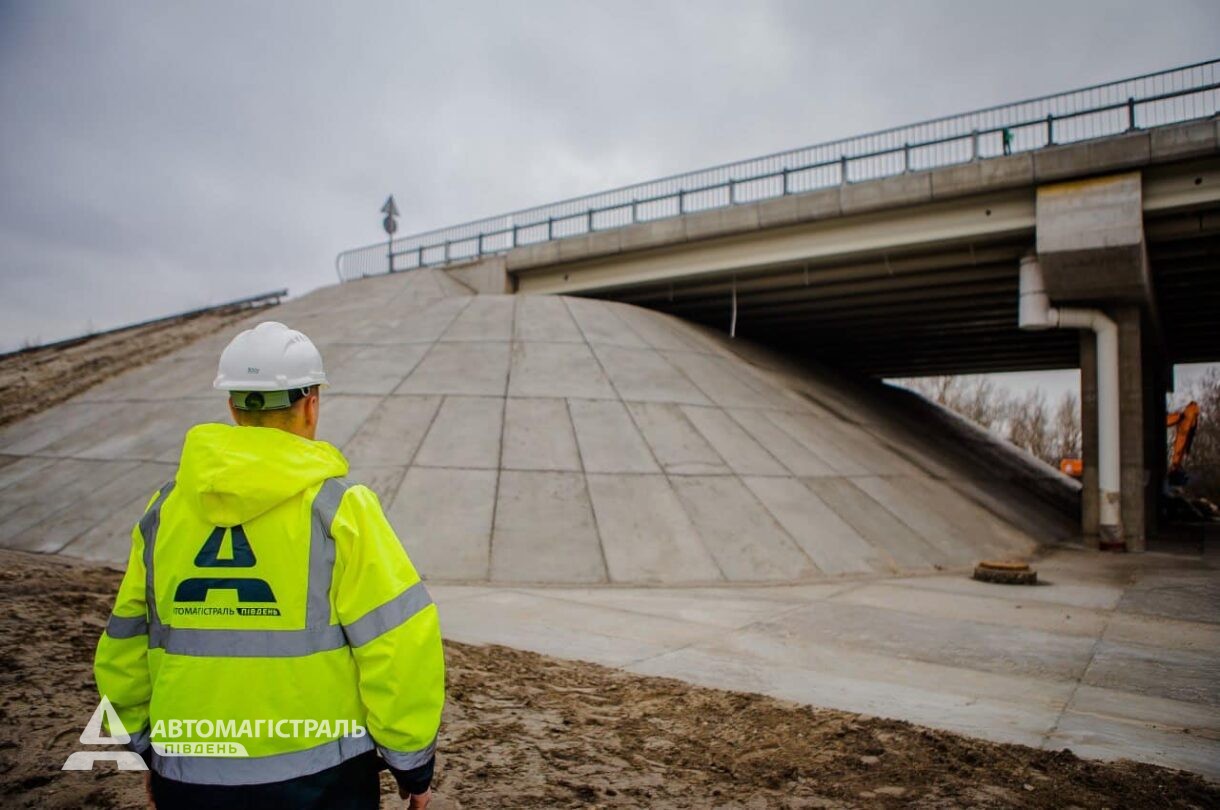
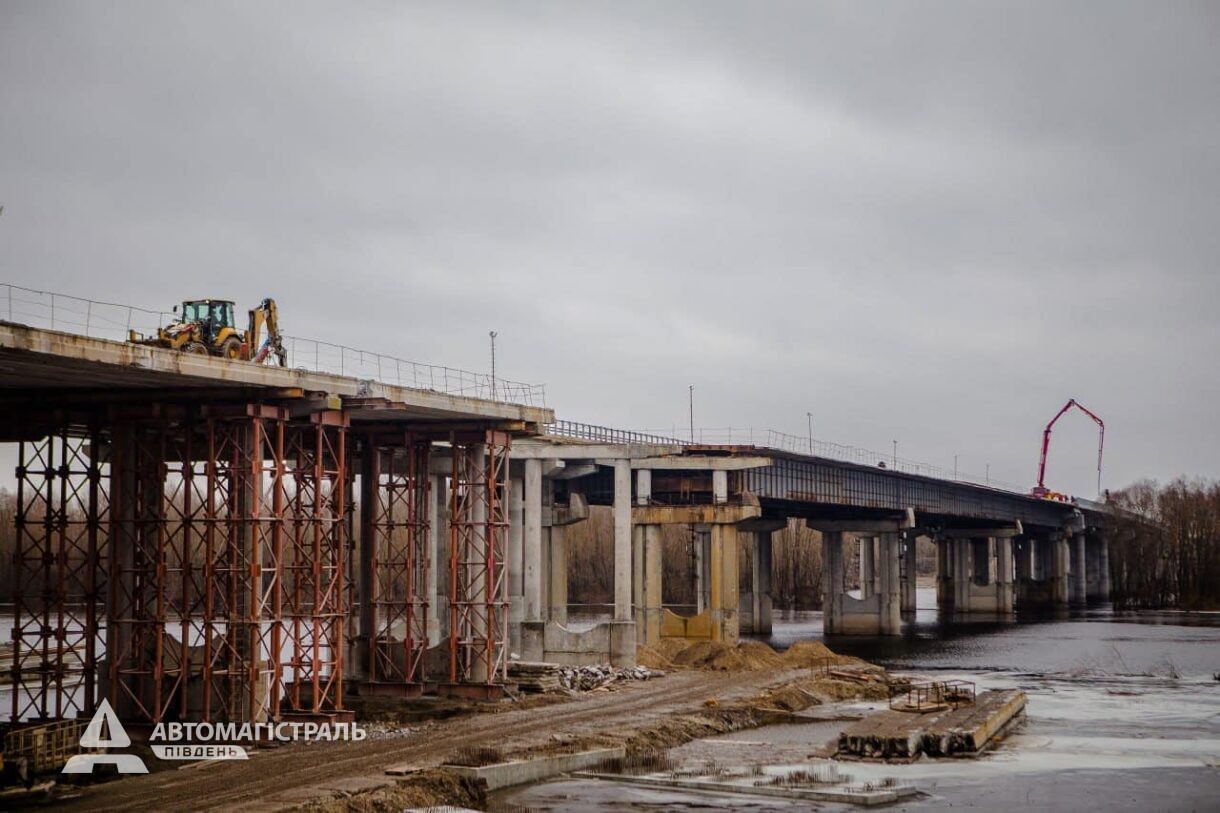
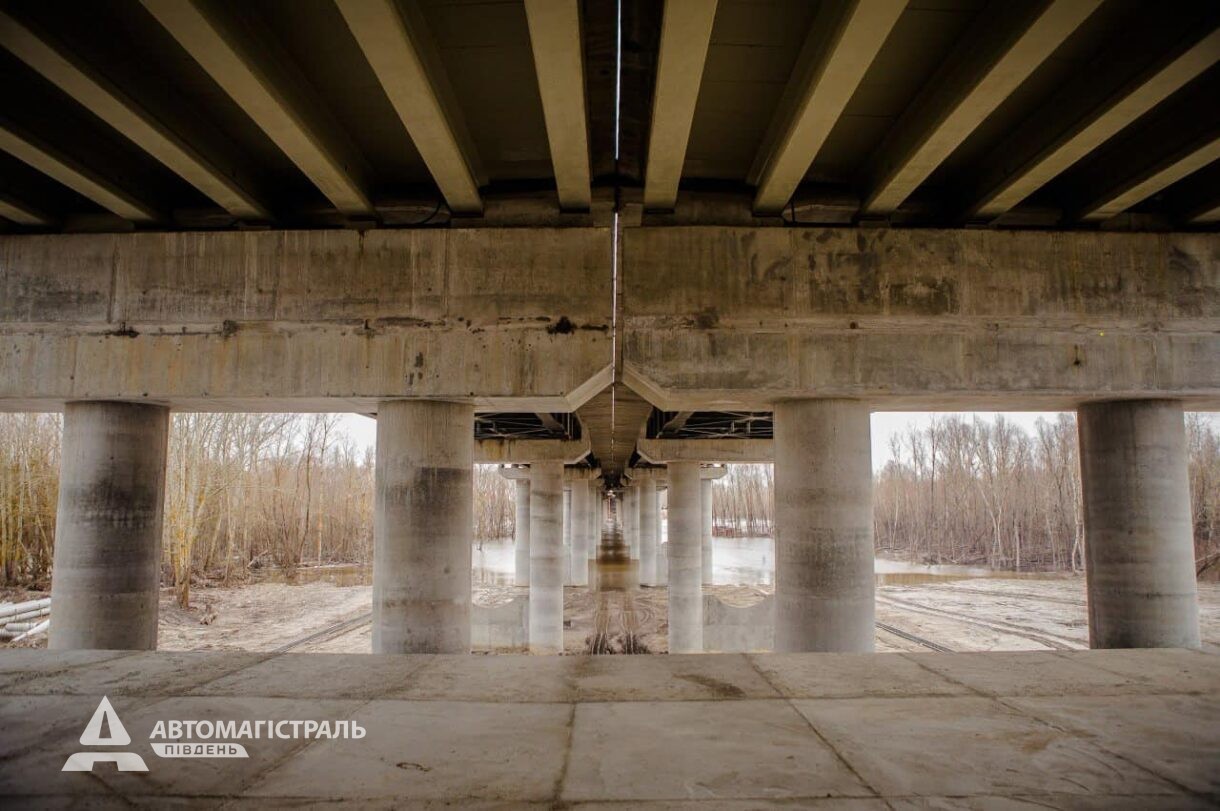
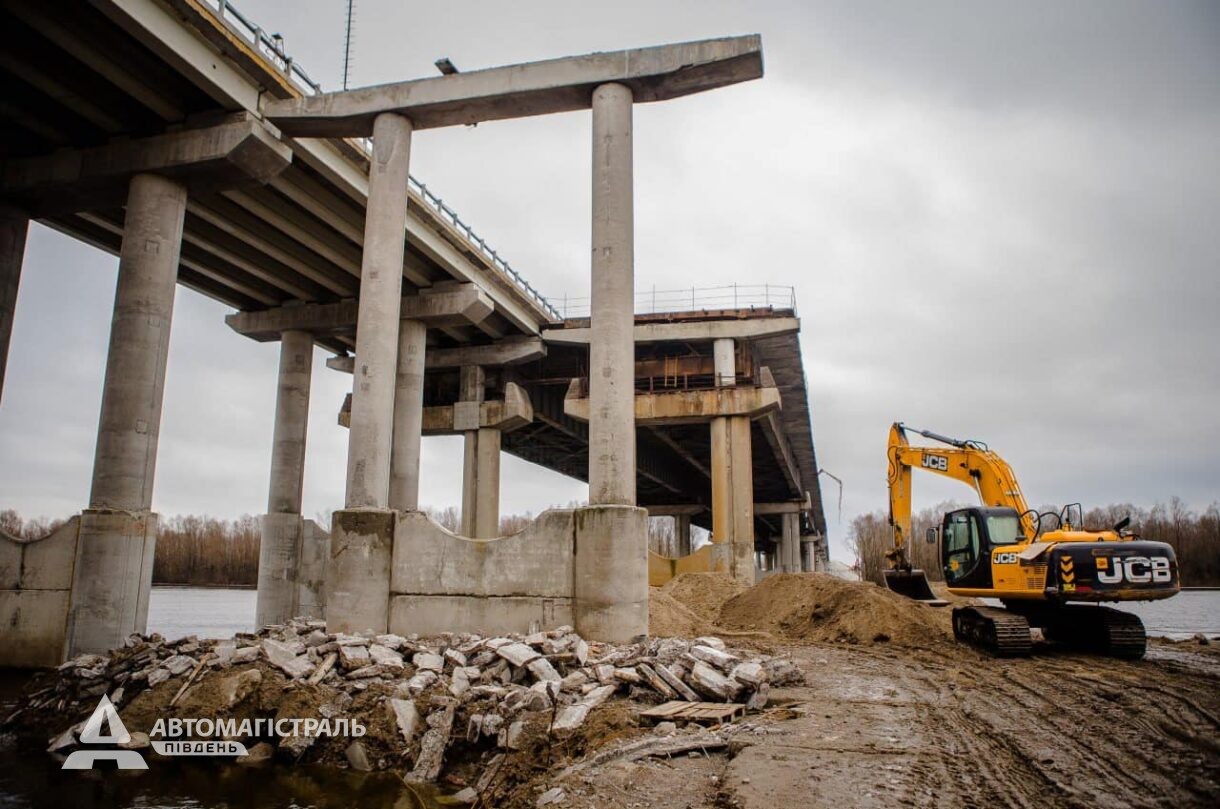
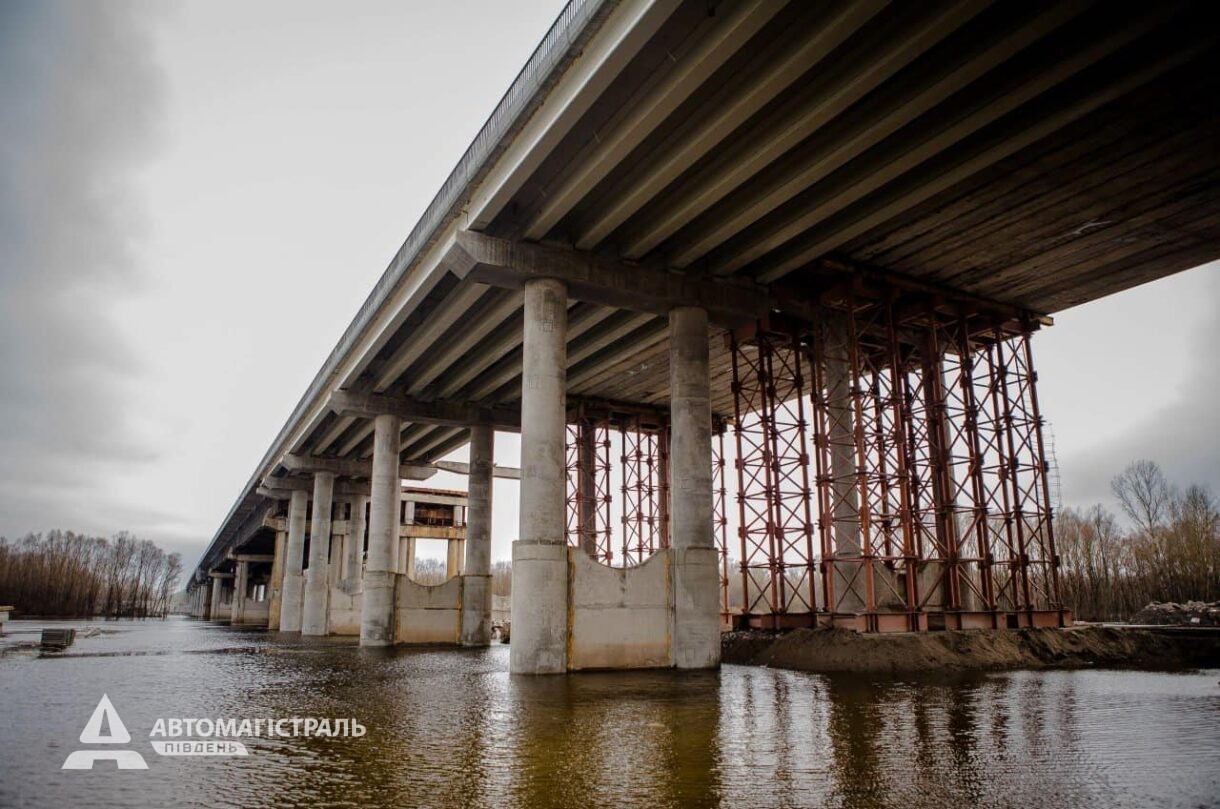
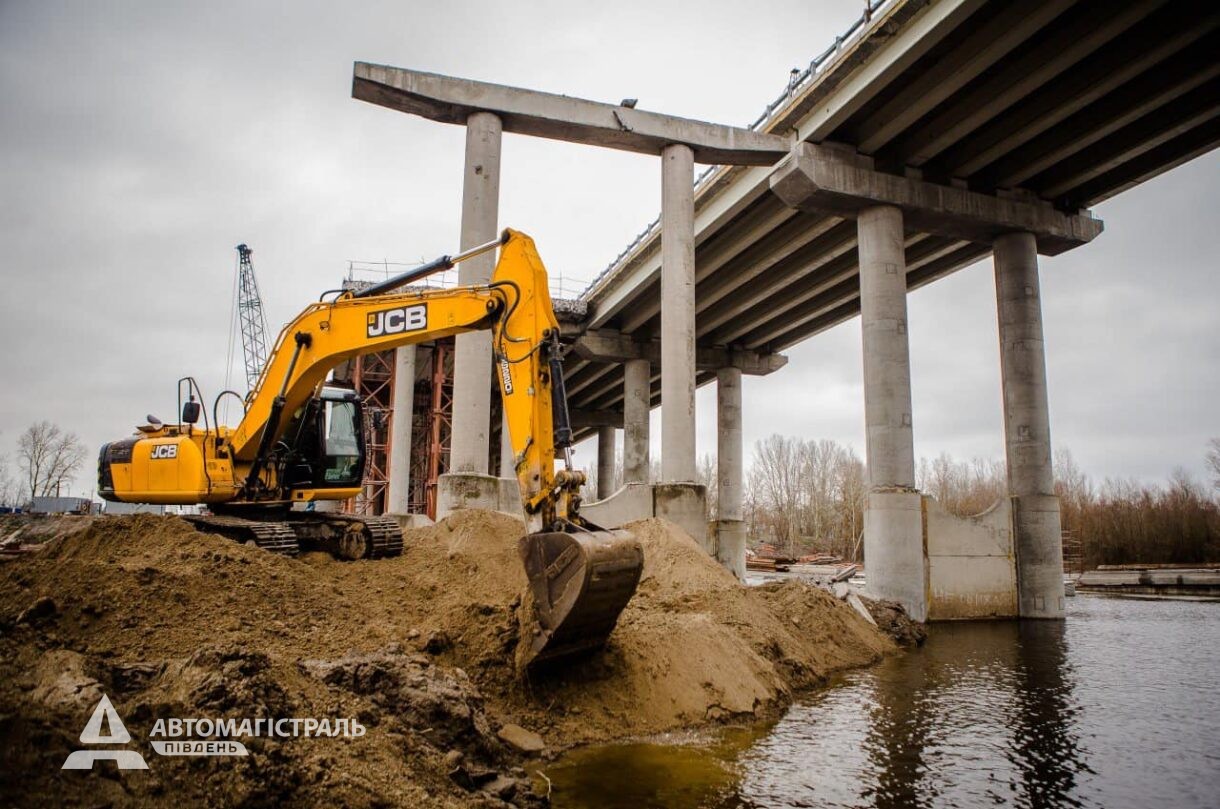
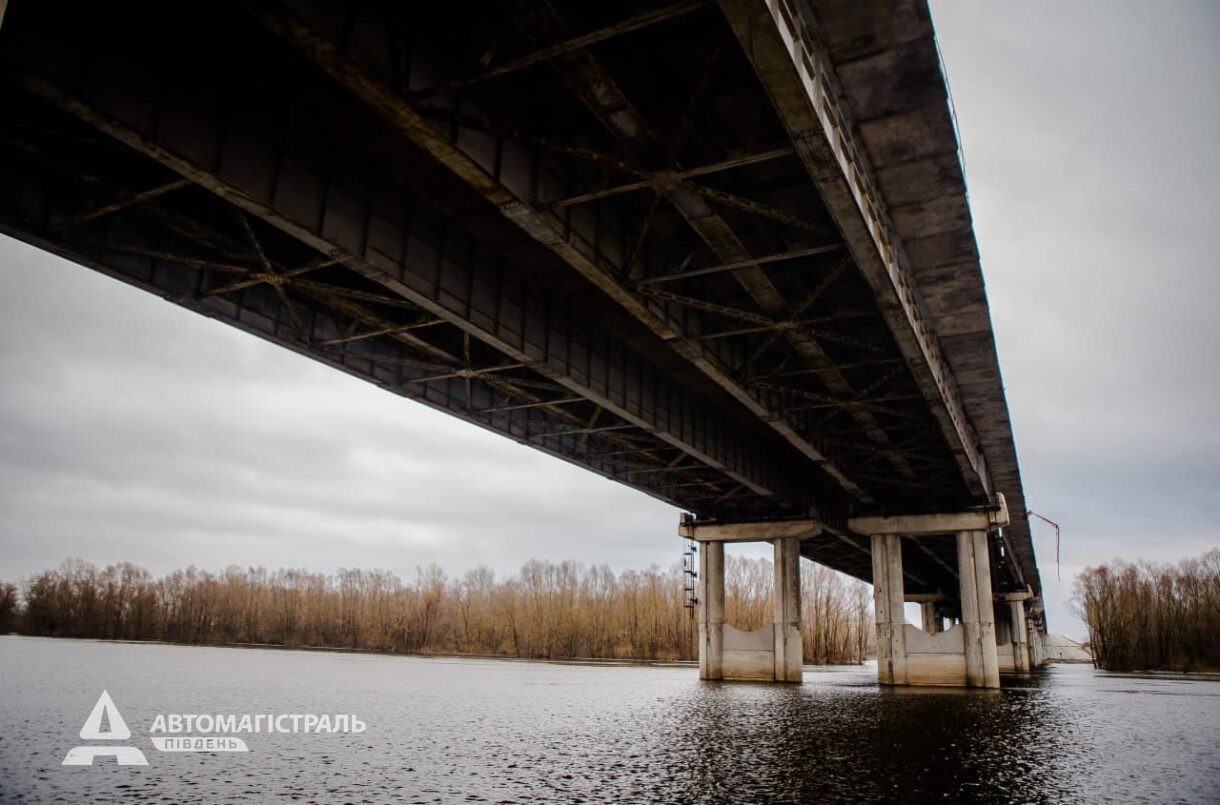
The Capital repairs of the international M-09 highway section between Lviv and the “Rava-Ruska – Hrebenne” border crossing includes the reconstruction of six deteriorated bridges.
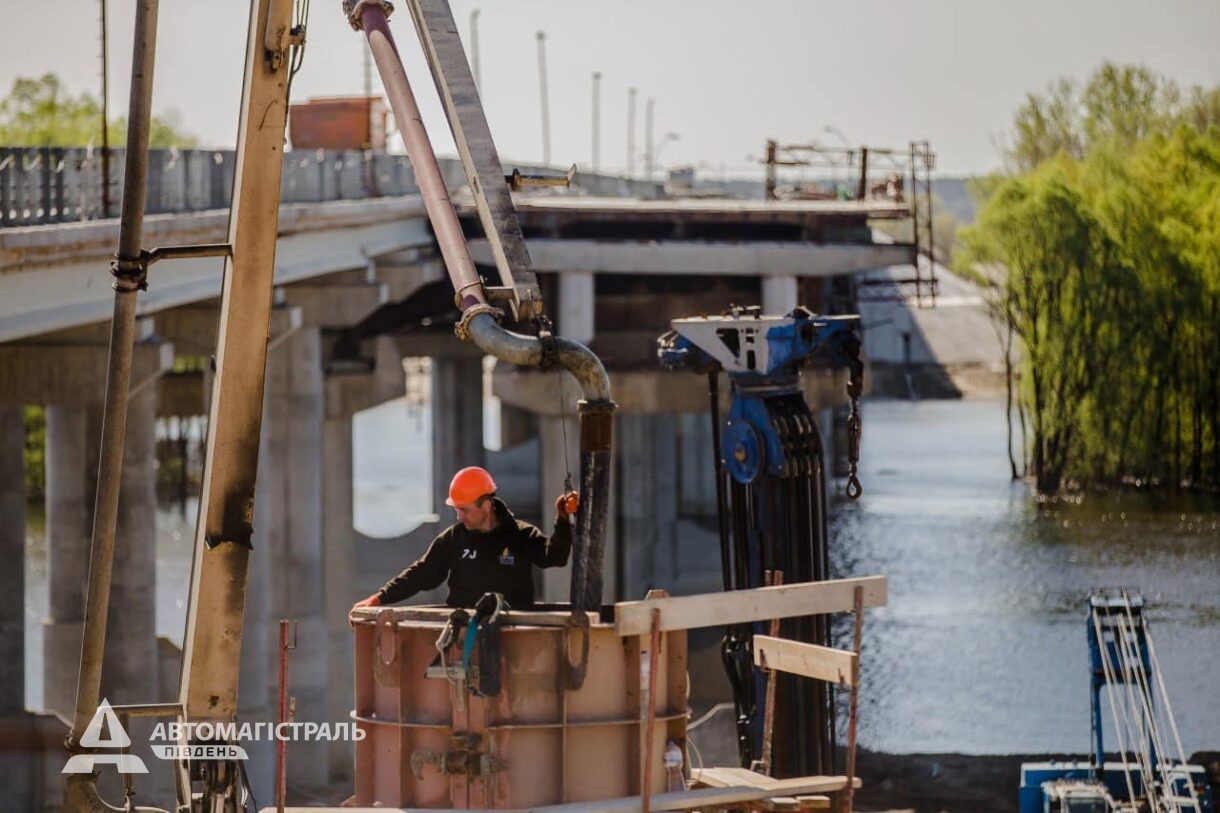
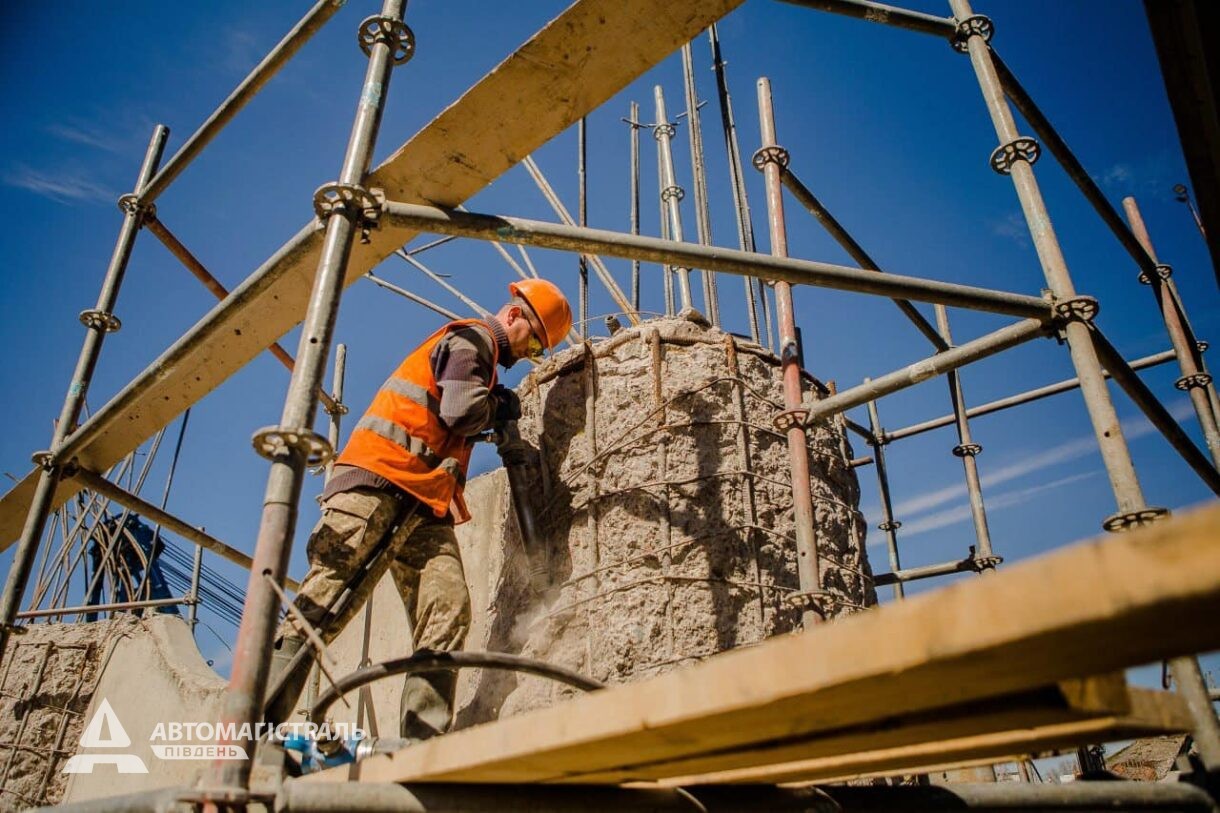
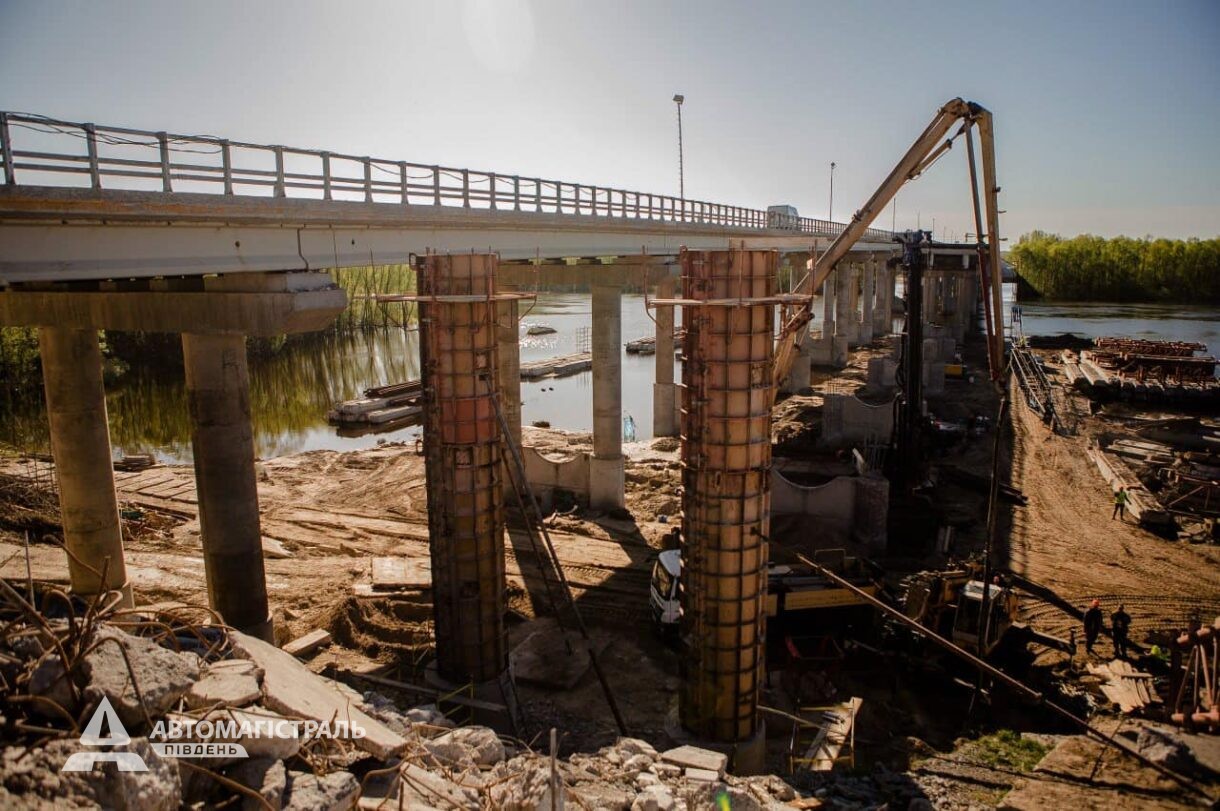
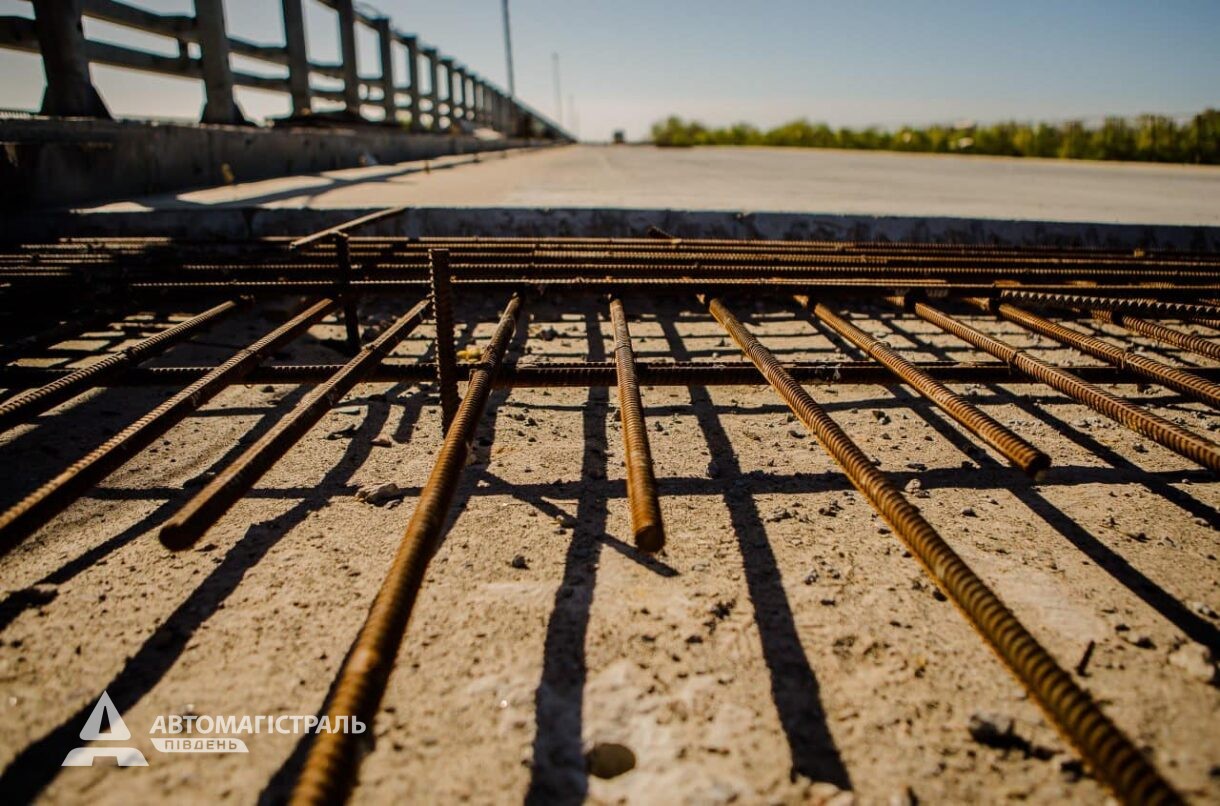
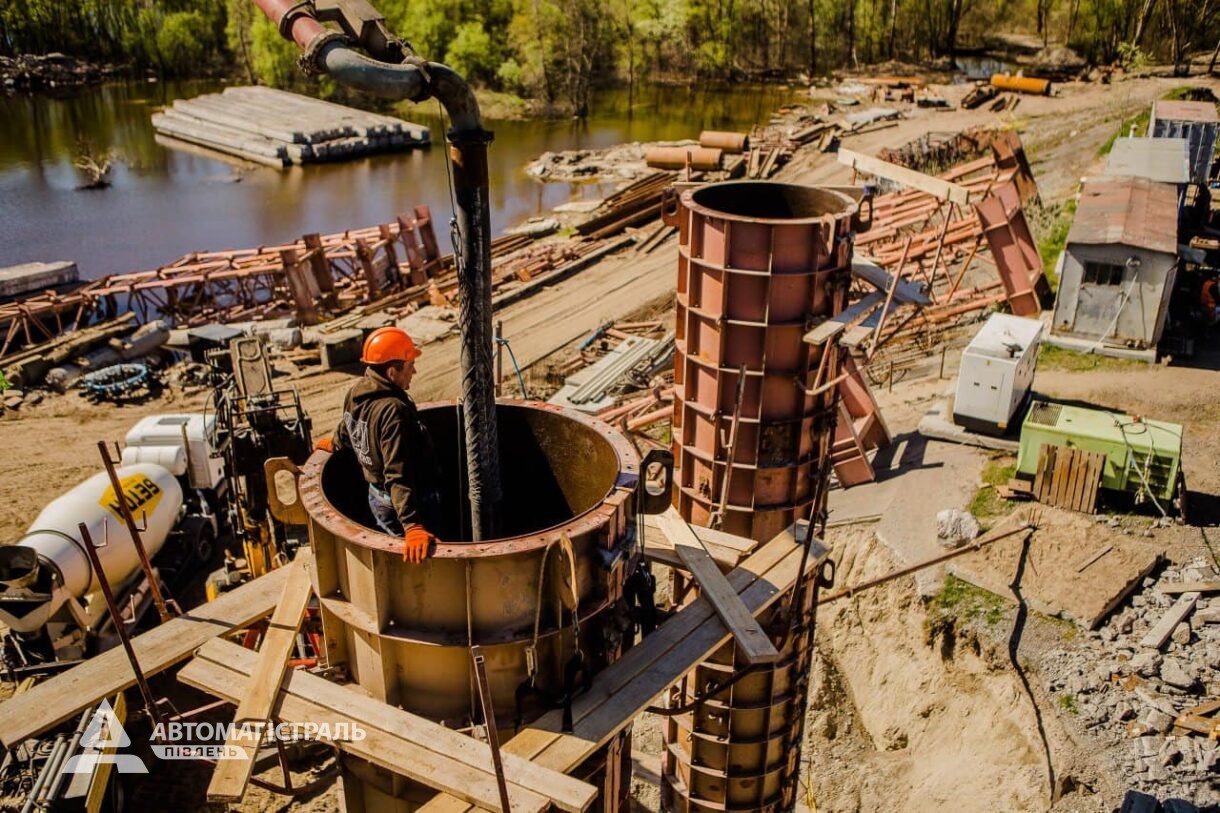
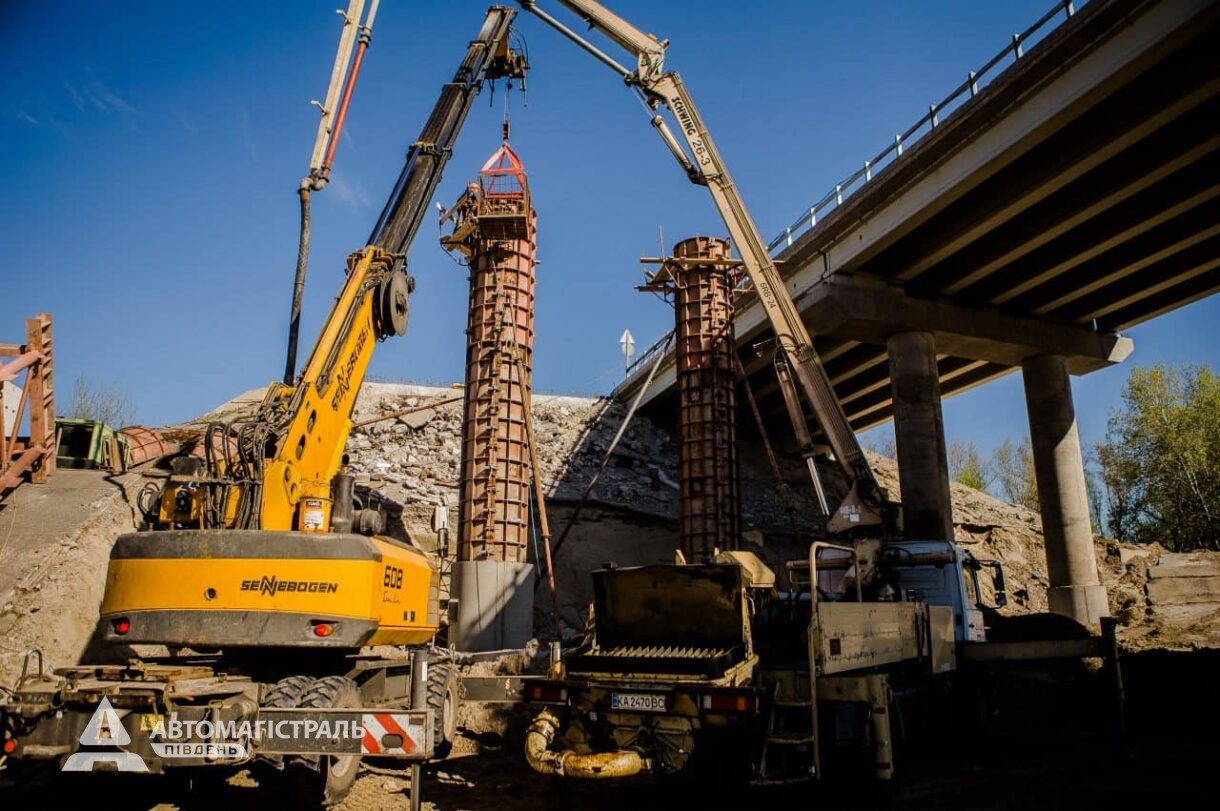
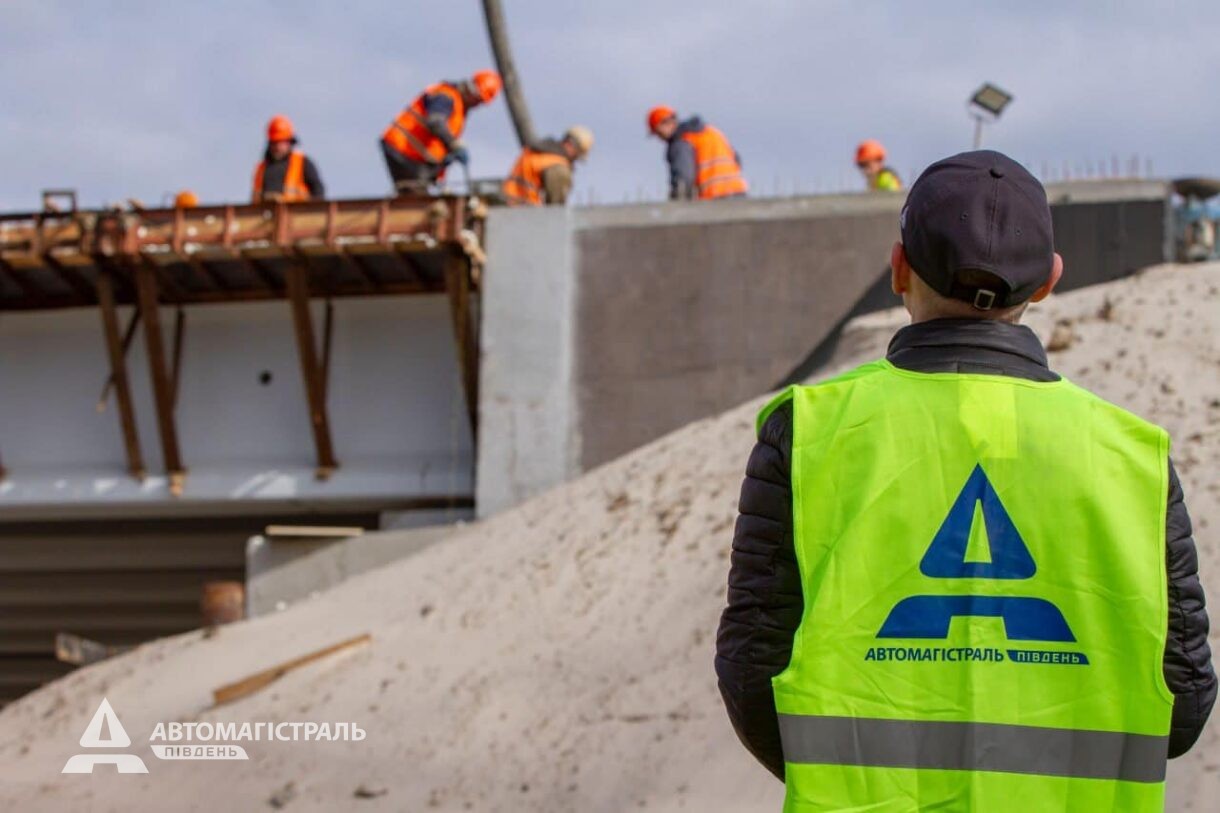
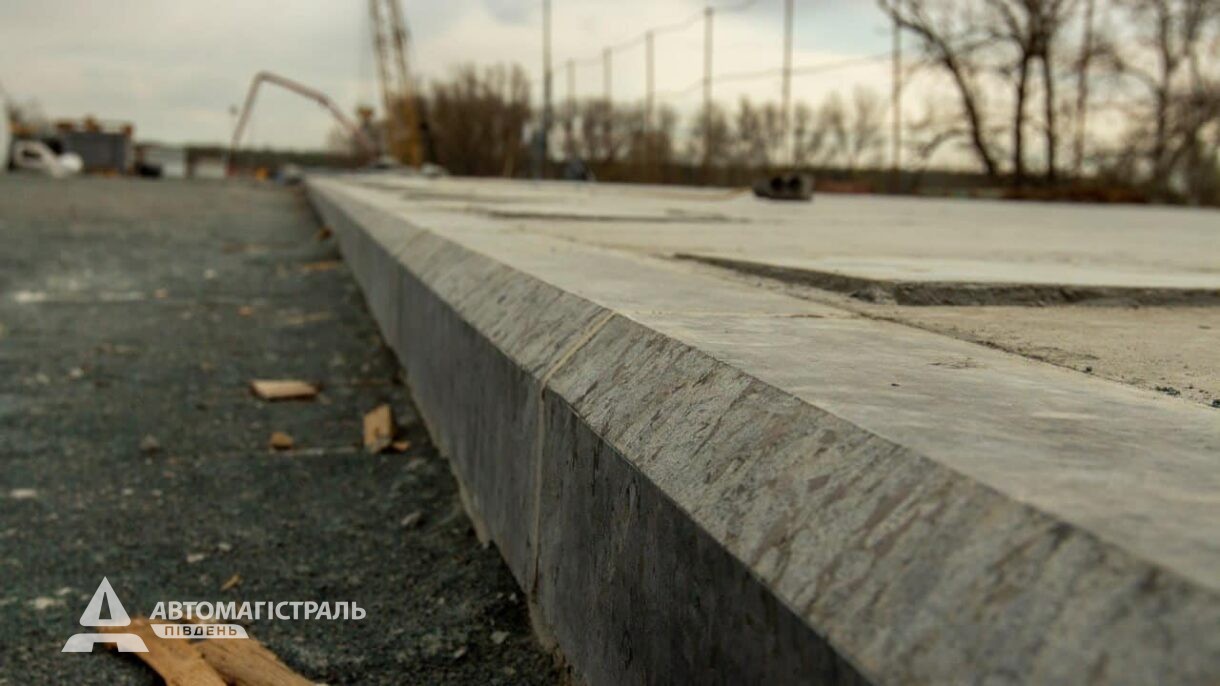
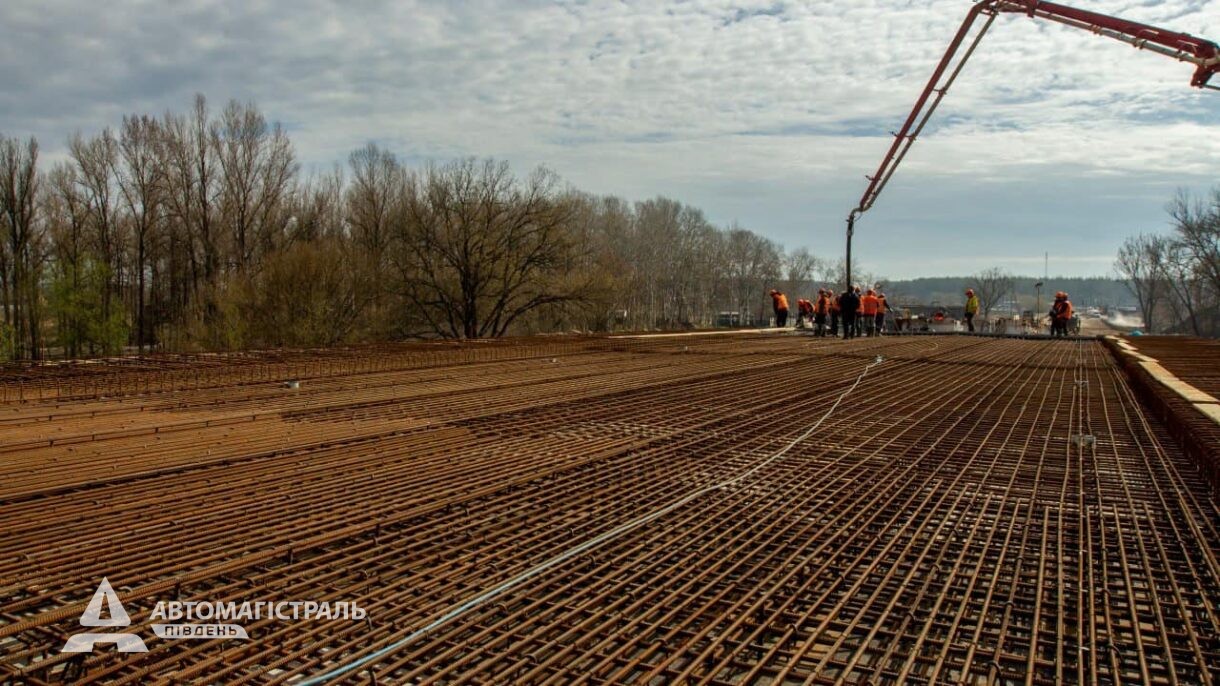
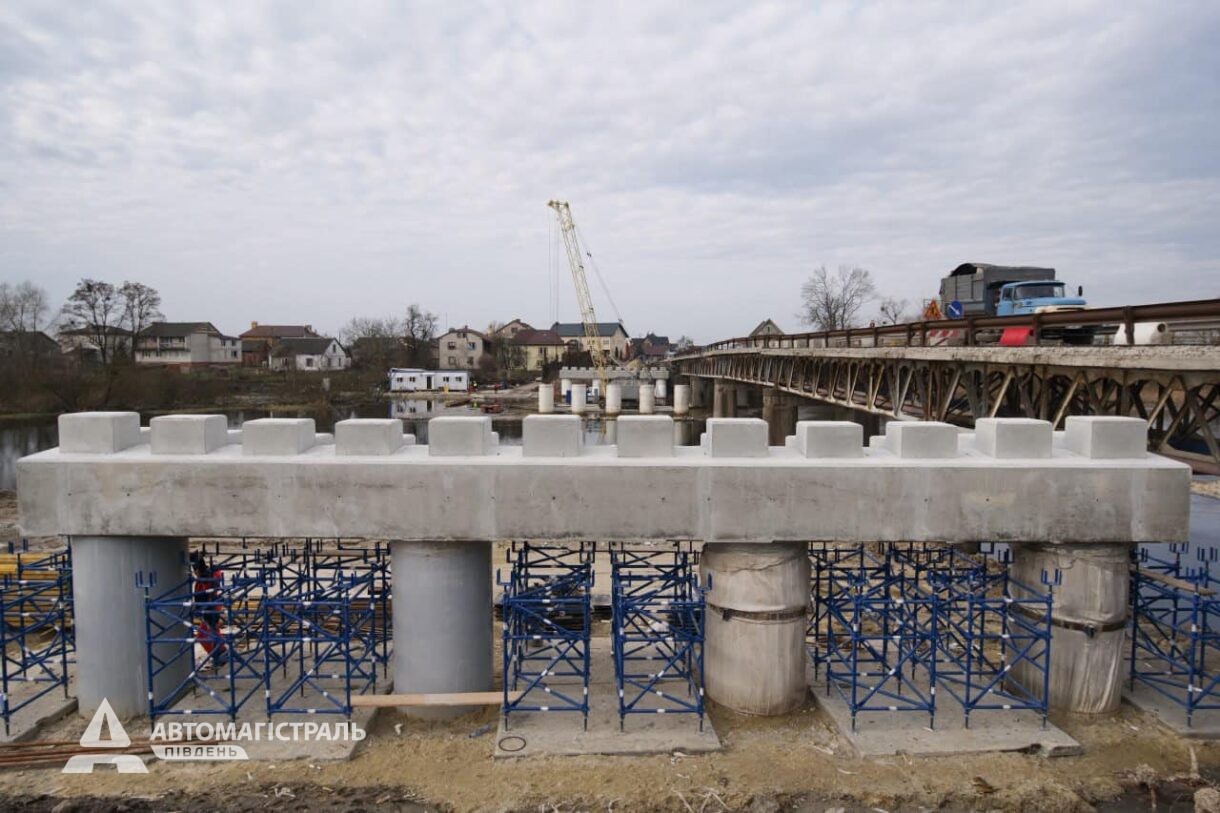
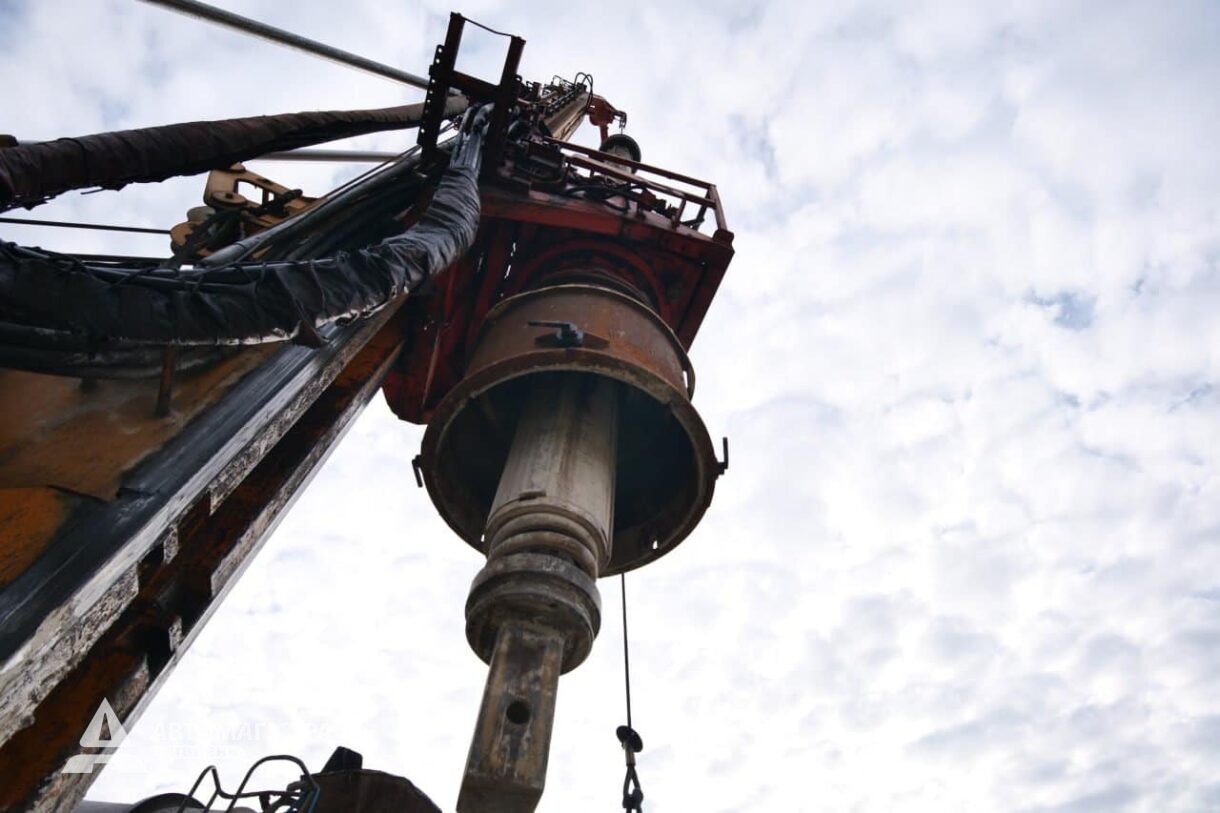
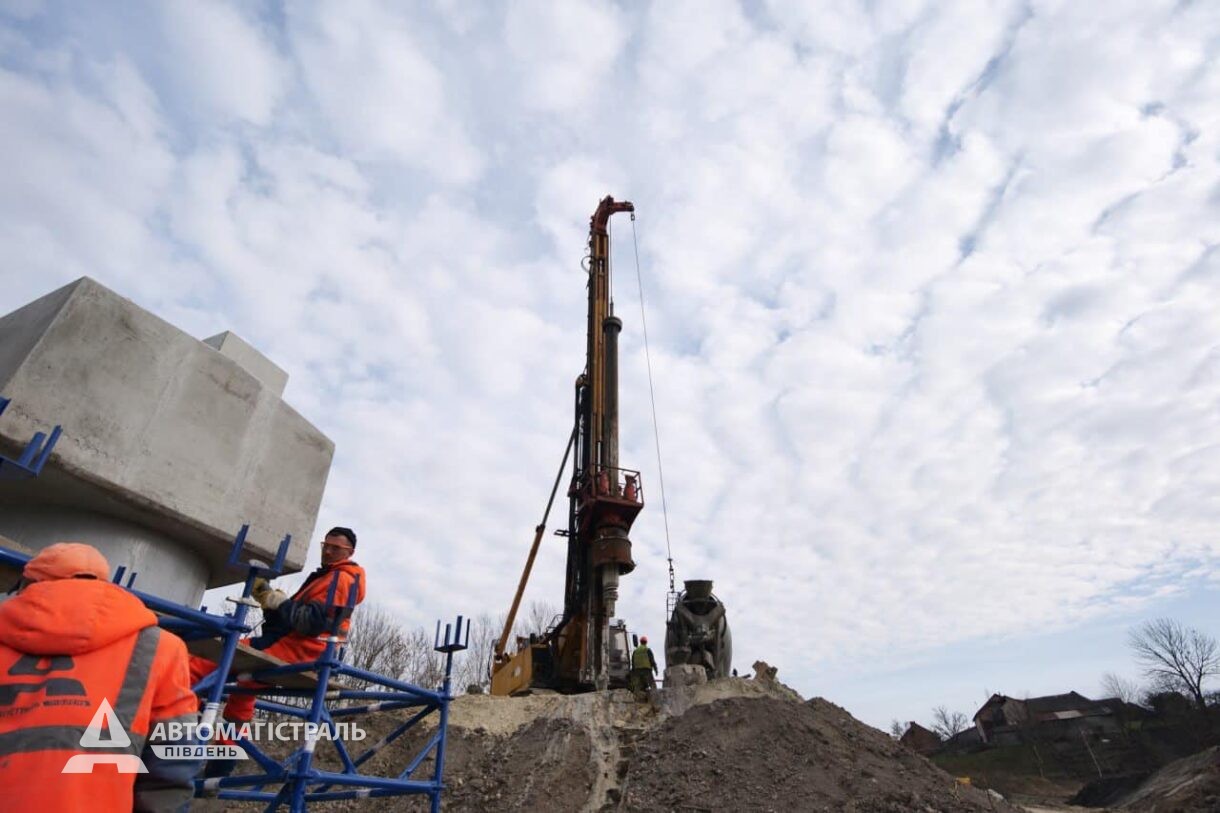
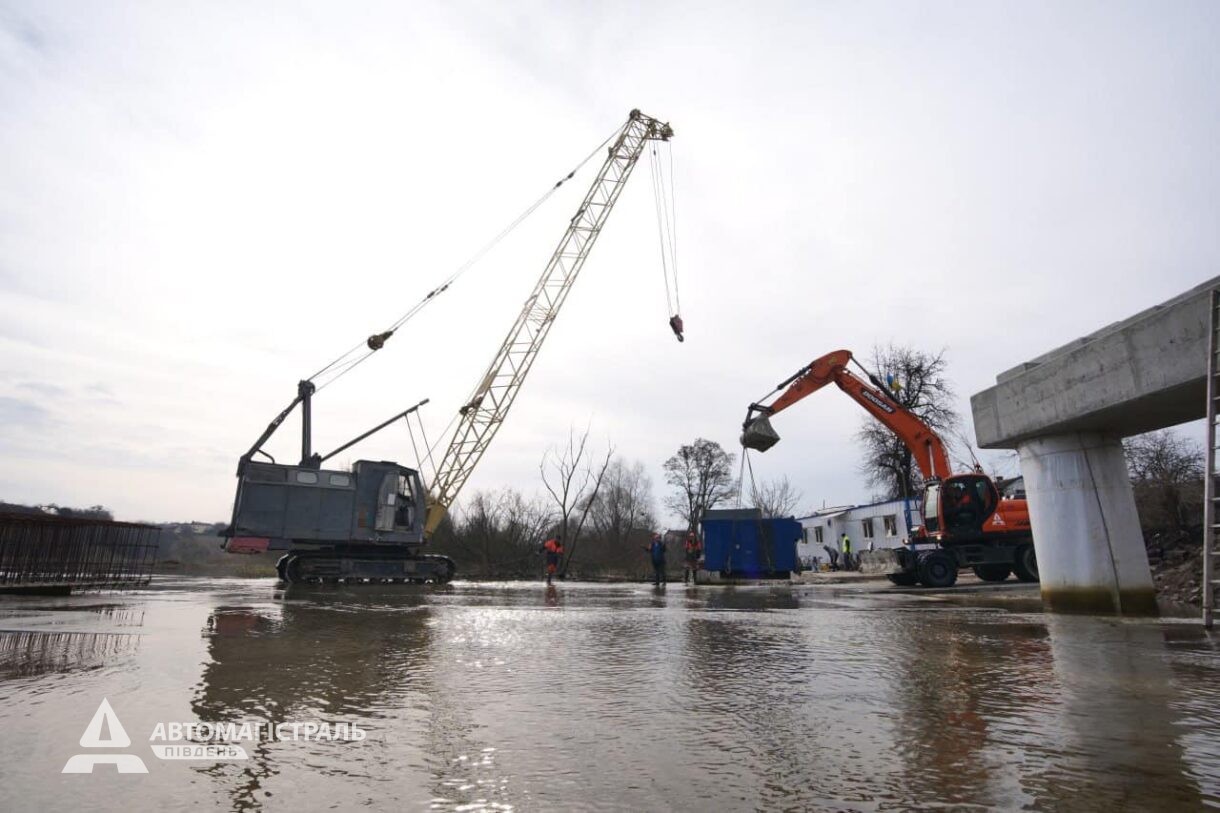
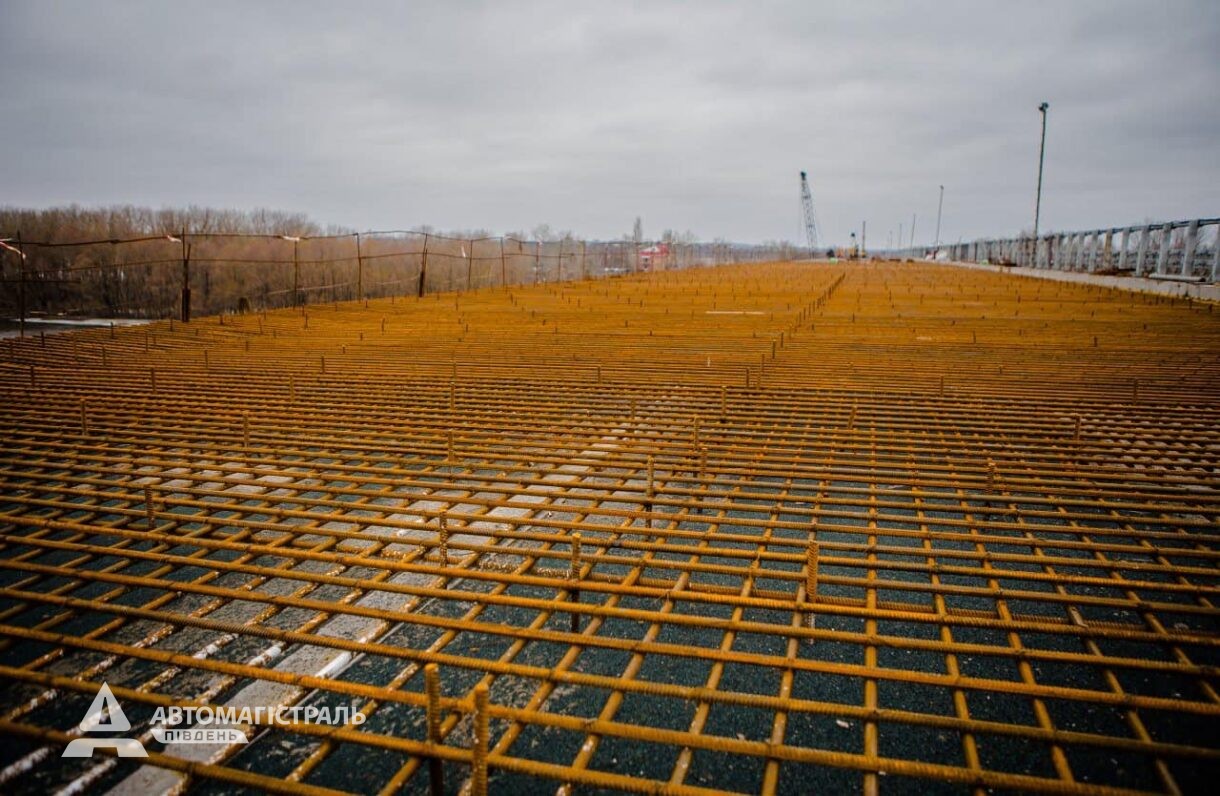
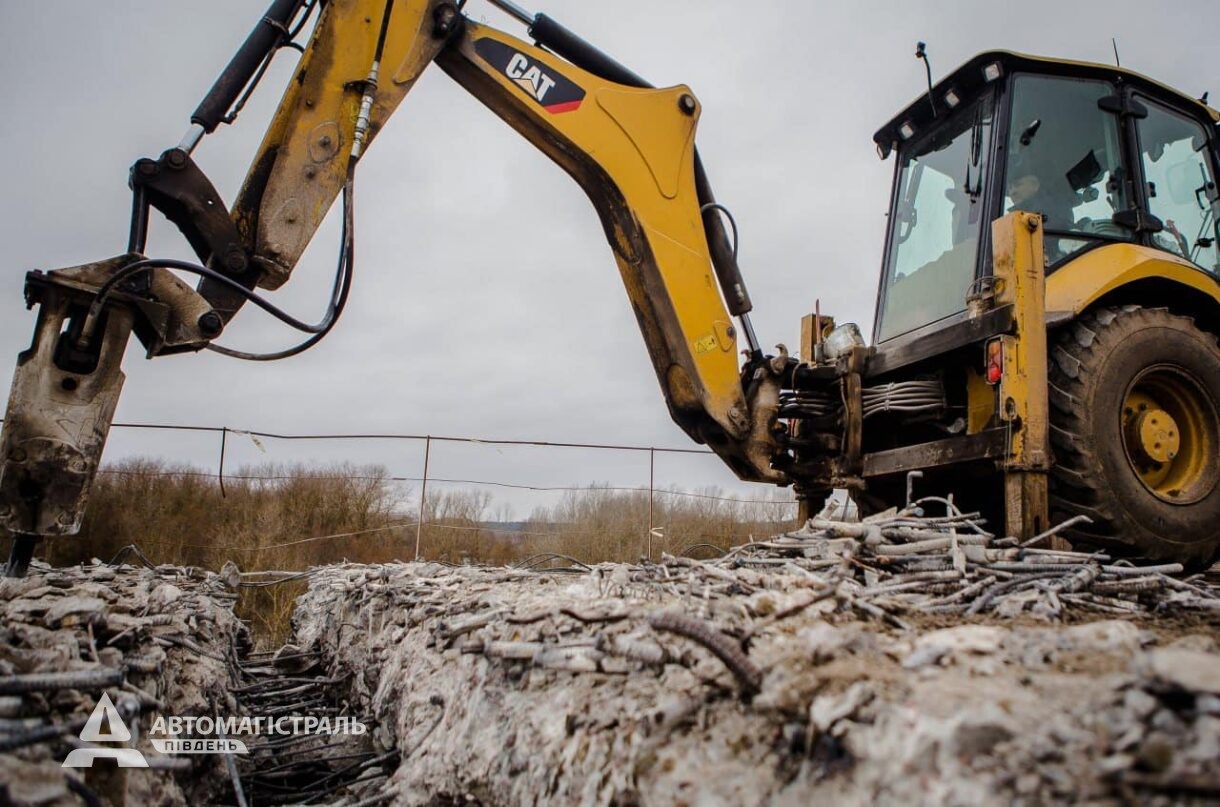
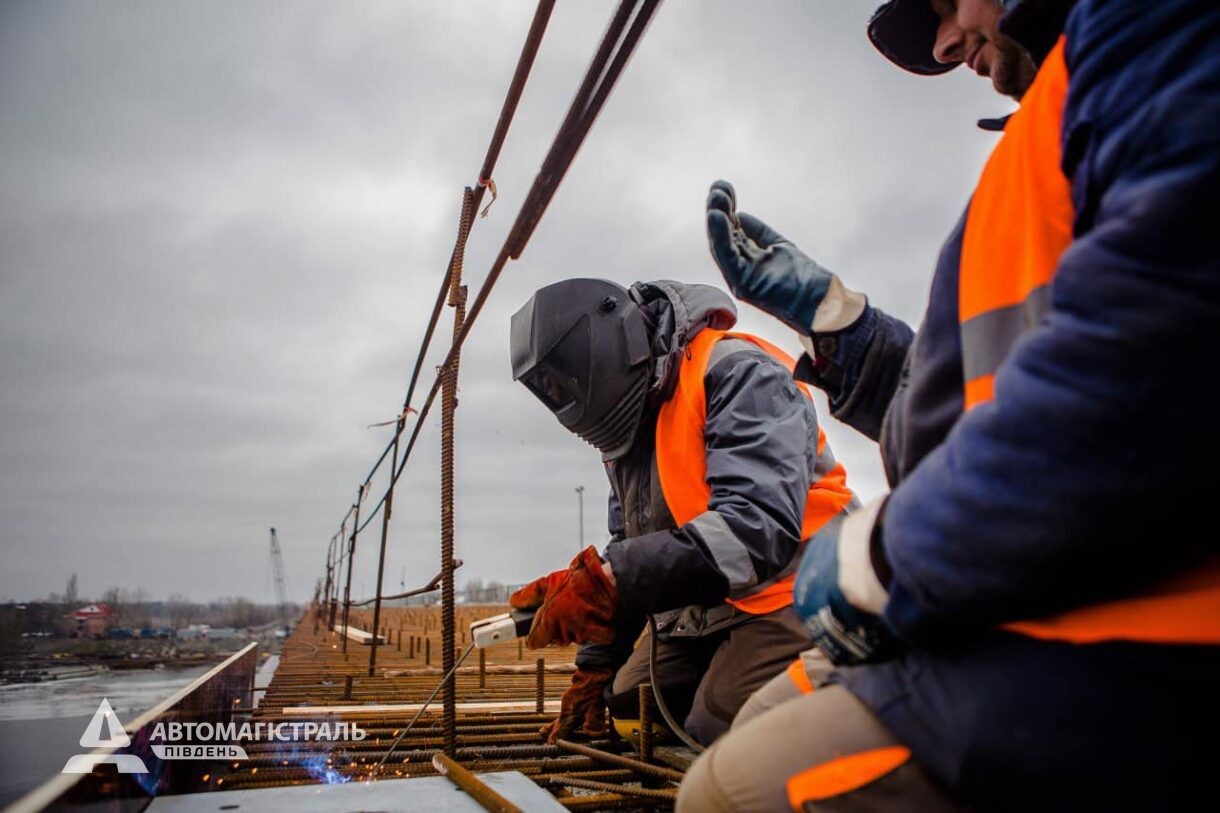
On five of the bridges, most of the work has already been completed: old structures have been dismantled, new bridge supports installed, and the superstructure beams placed.
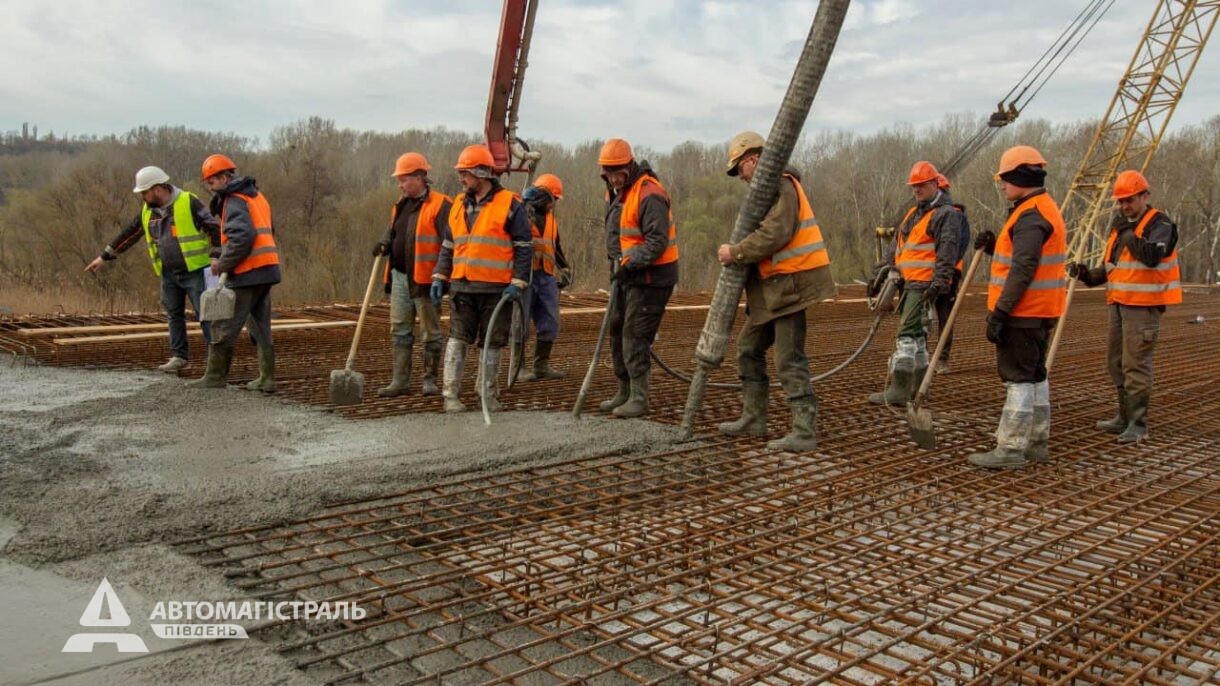
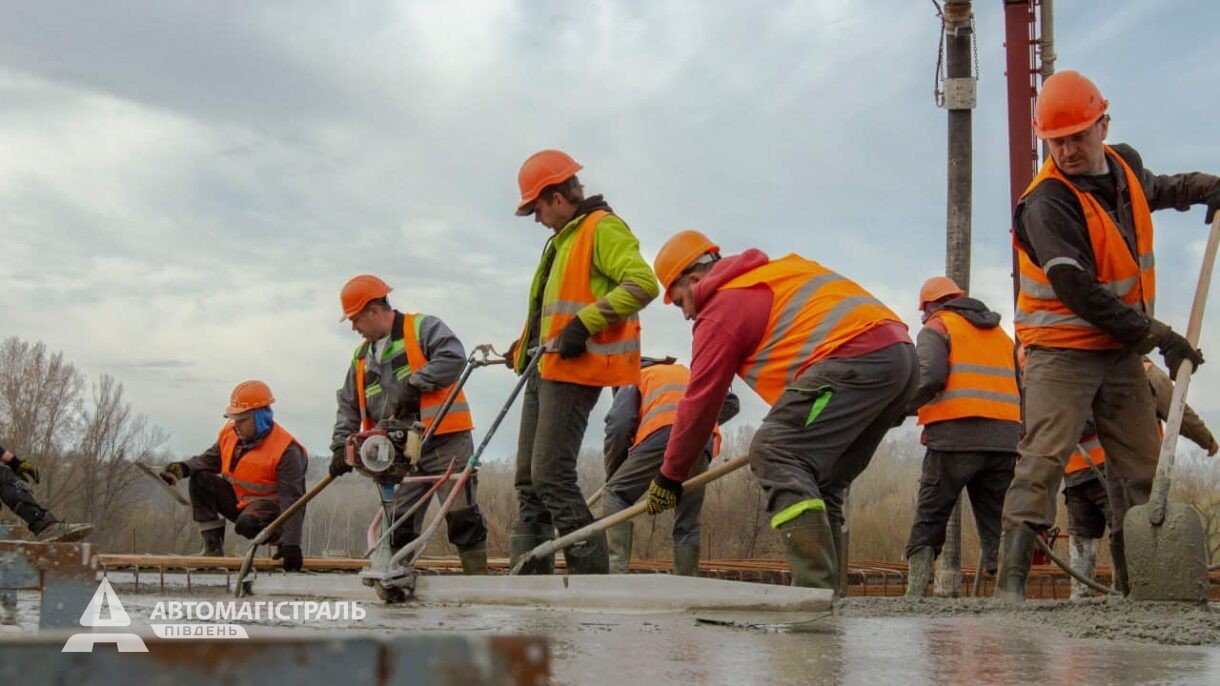
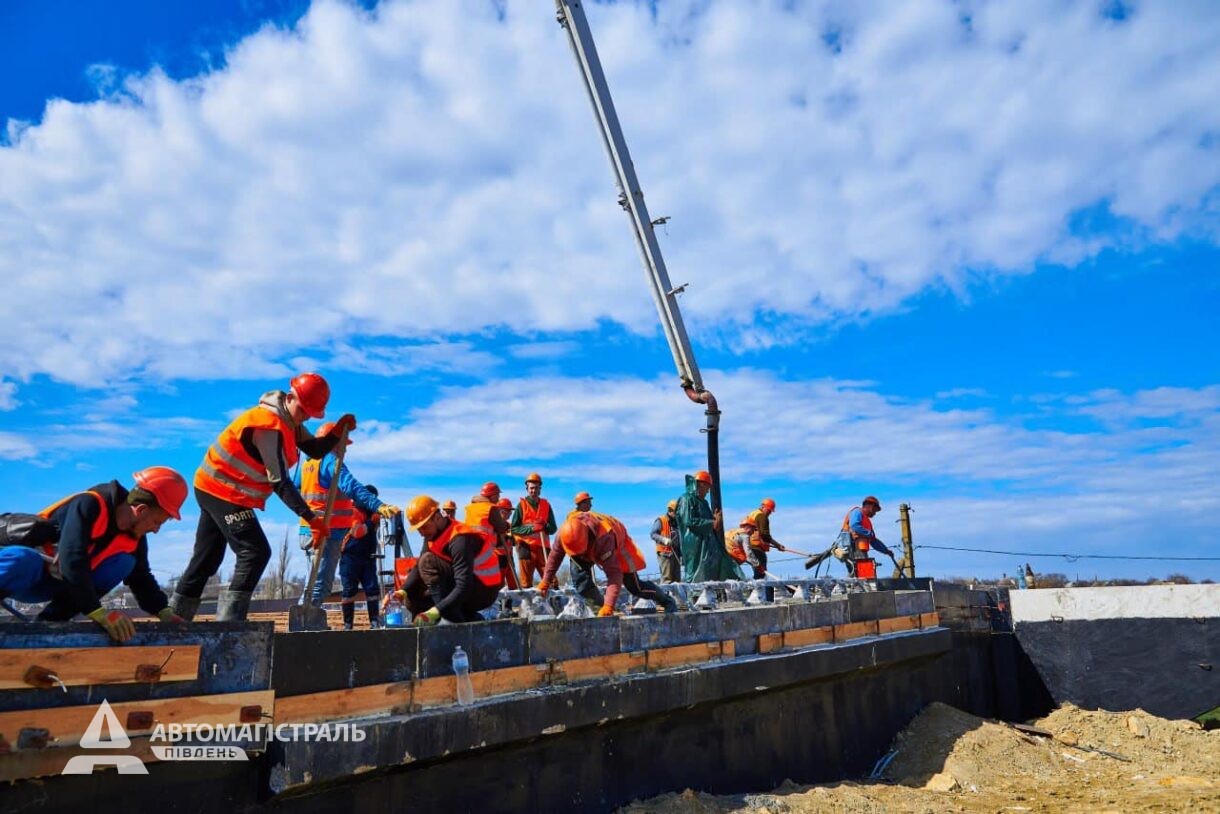
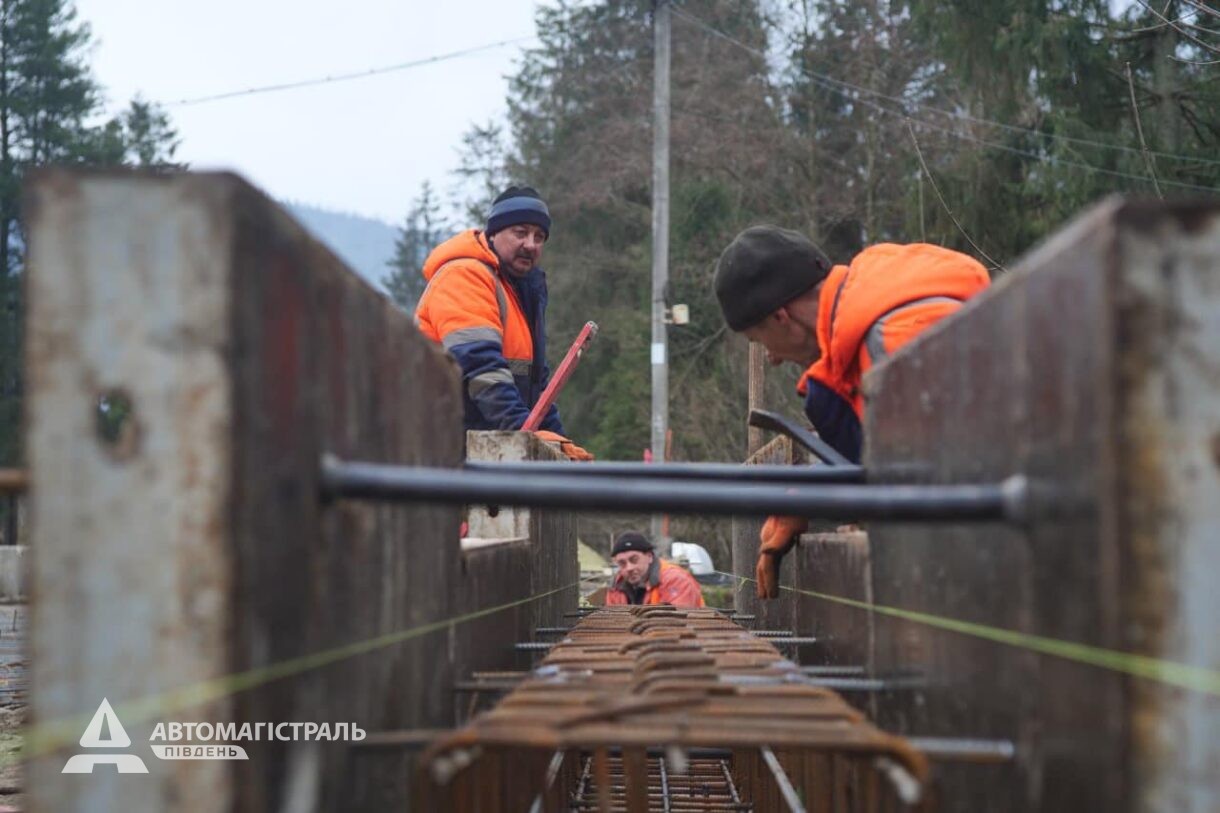
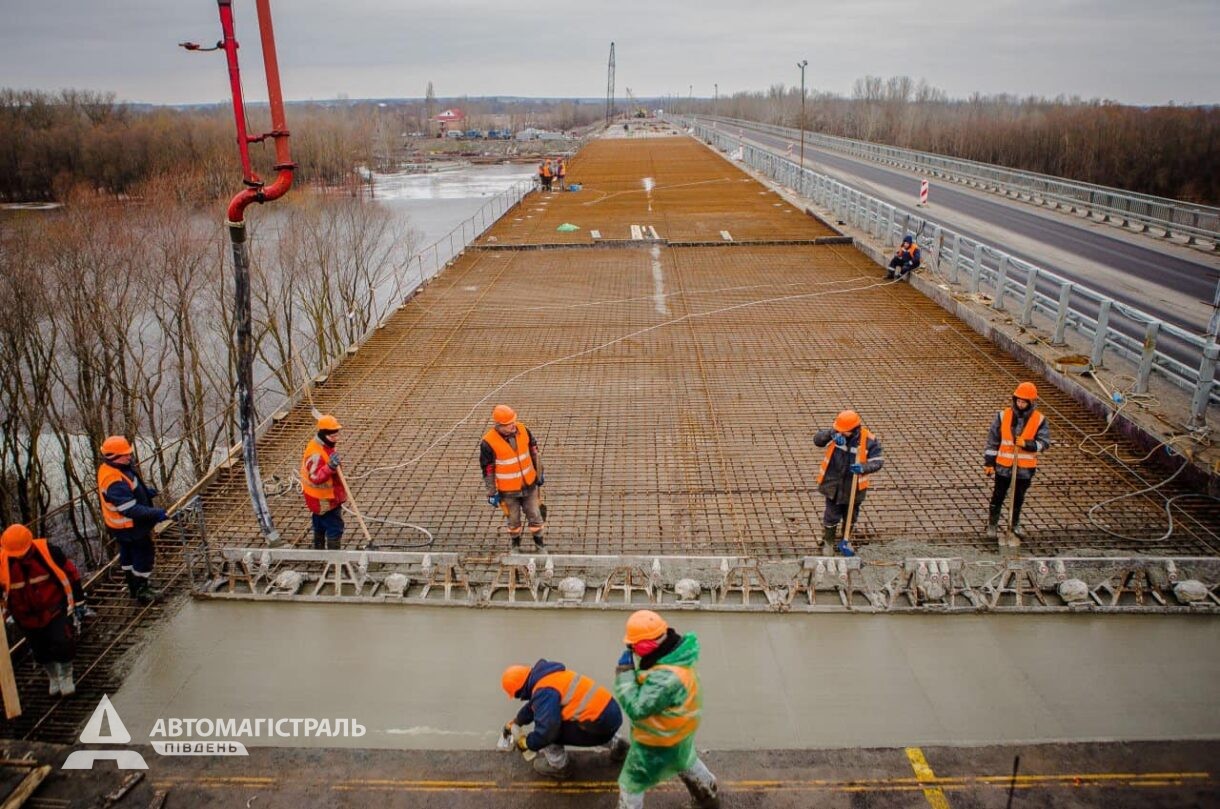
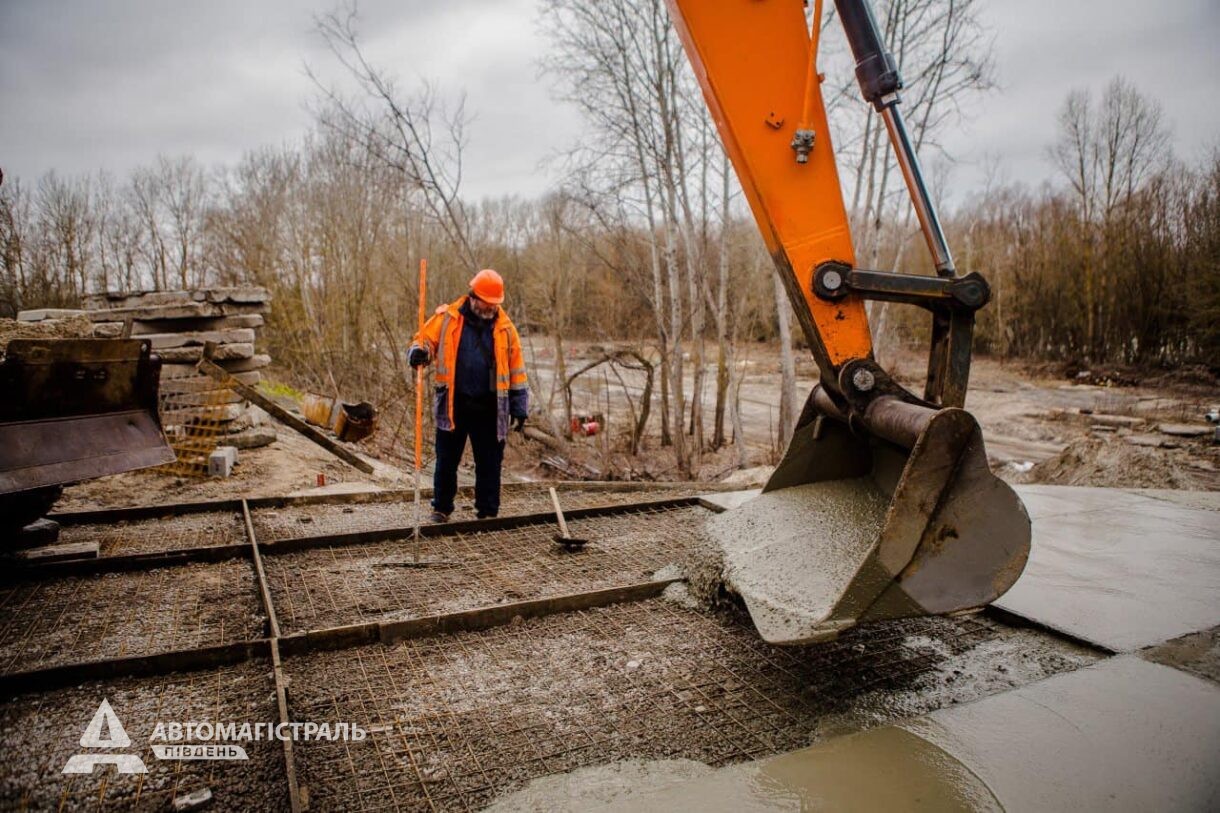
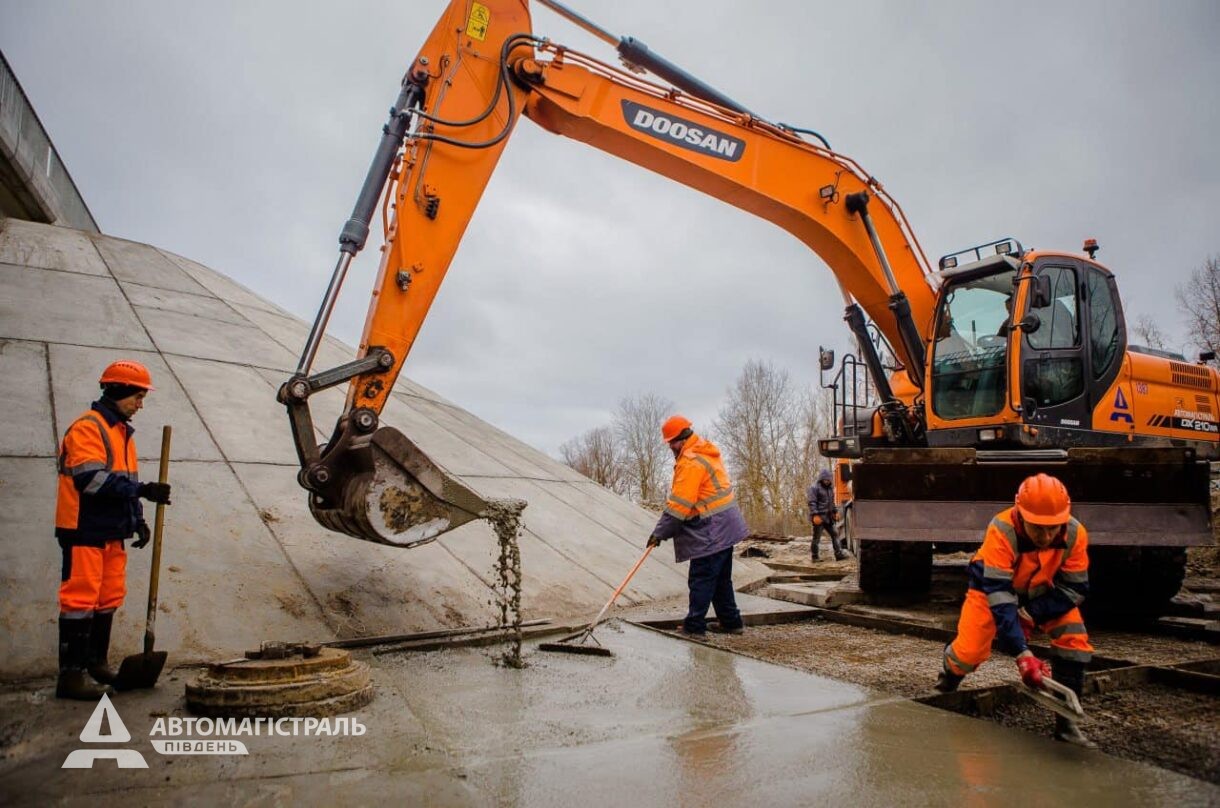
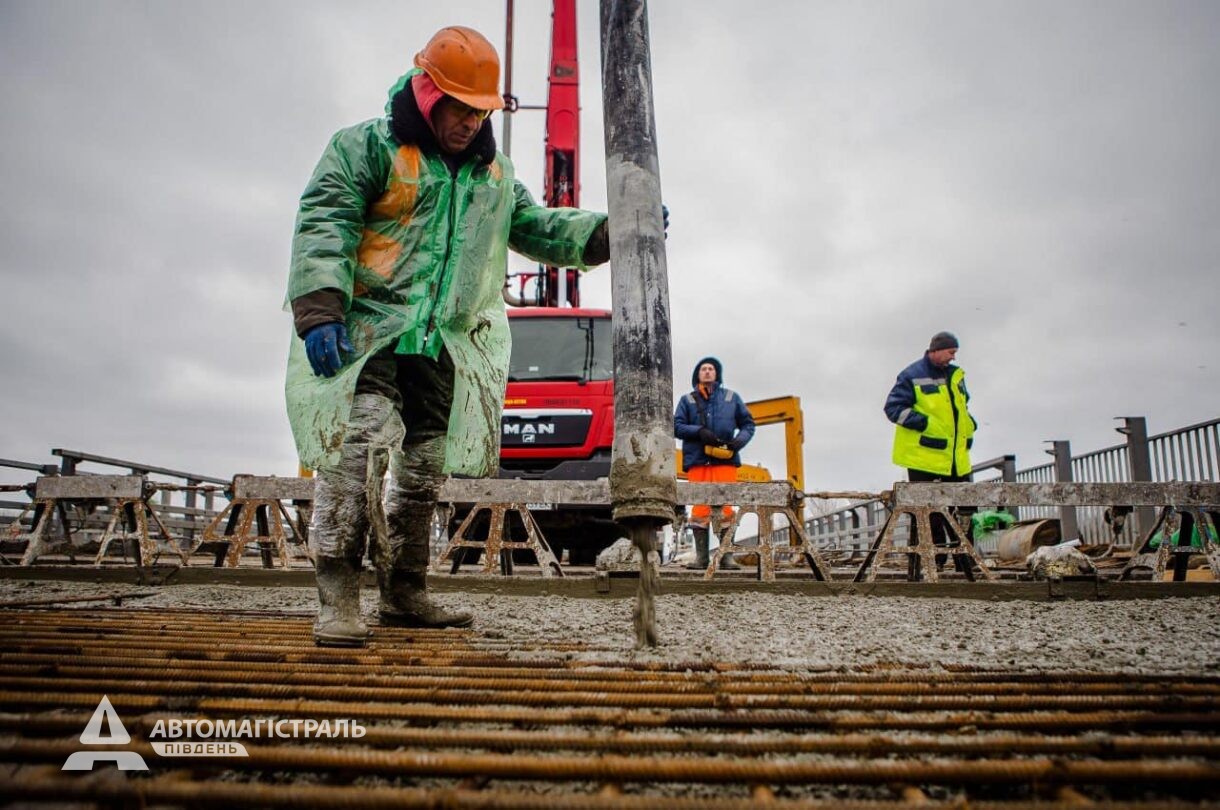
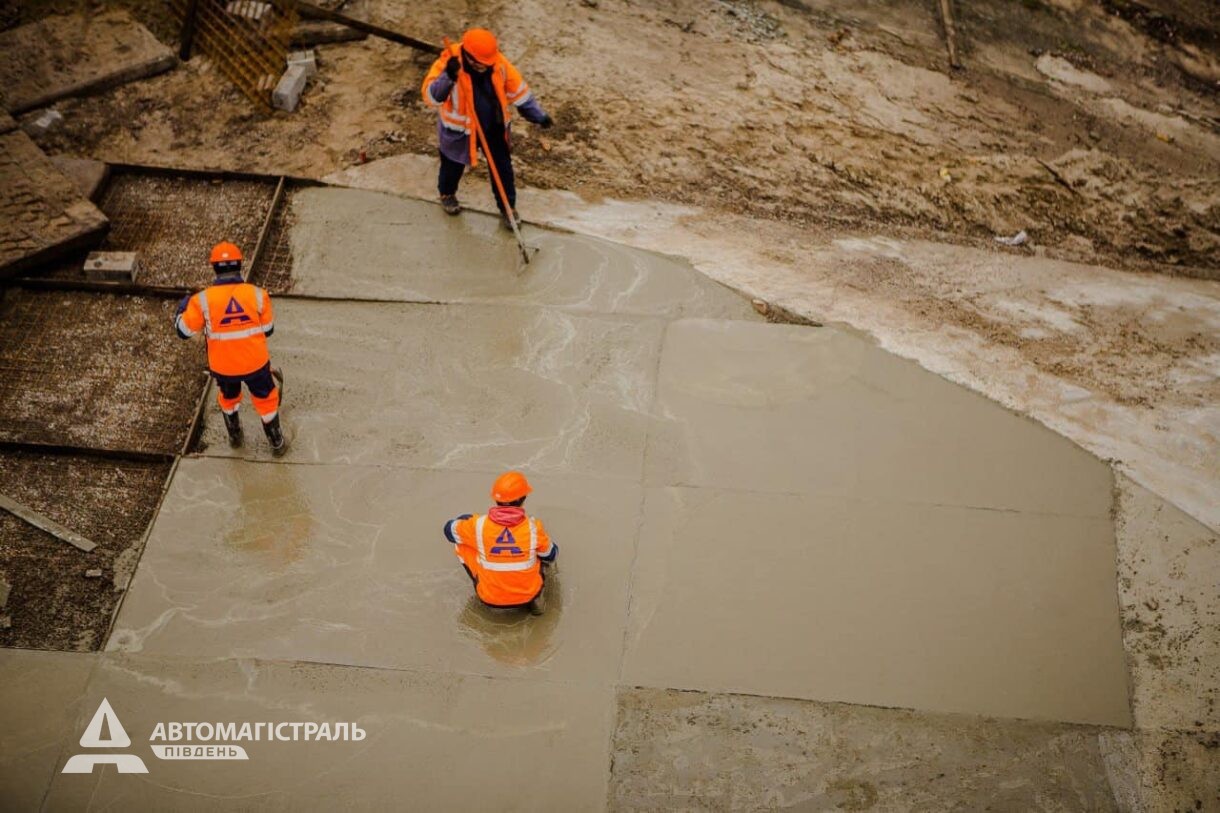
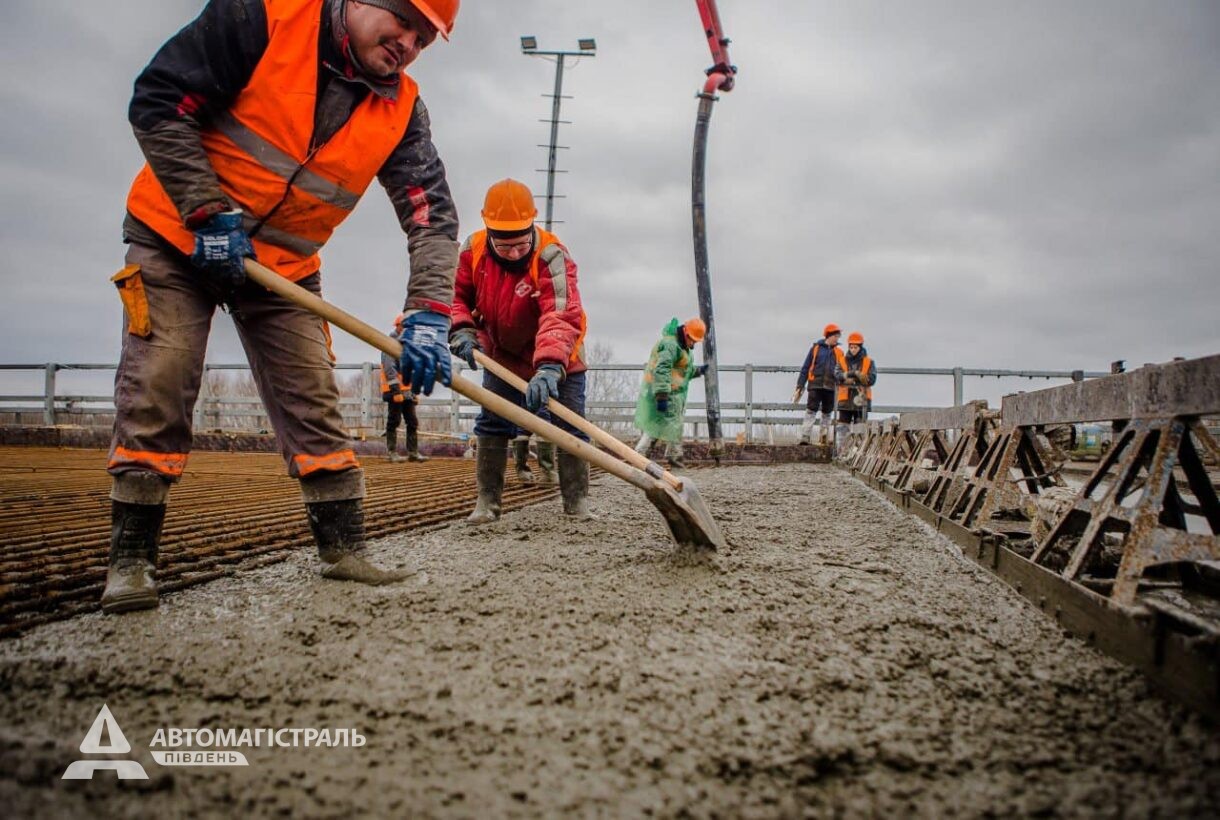
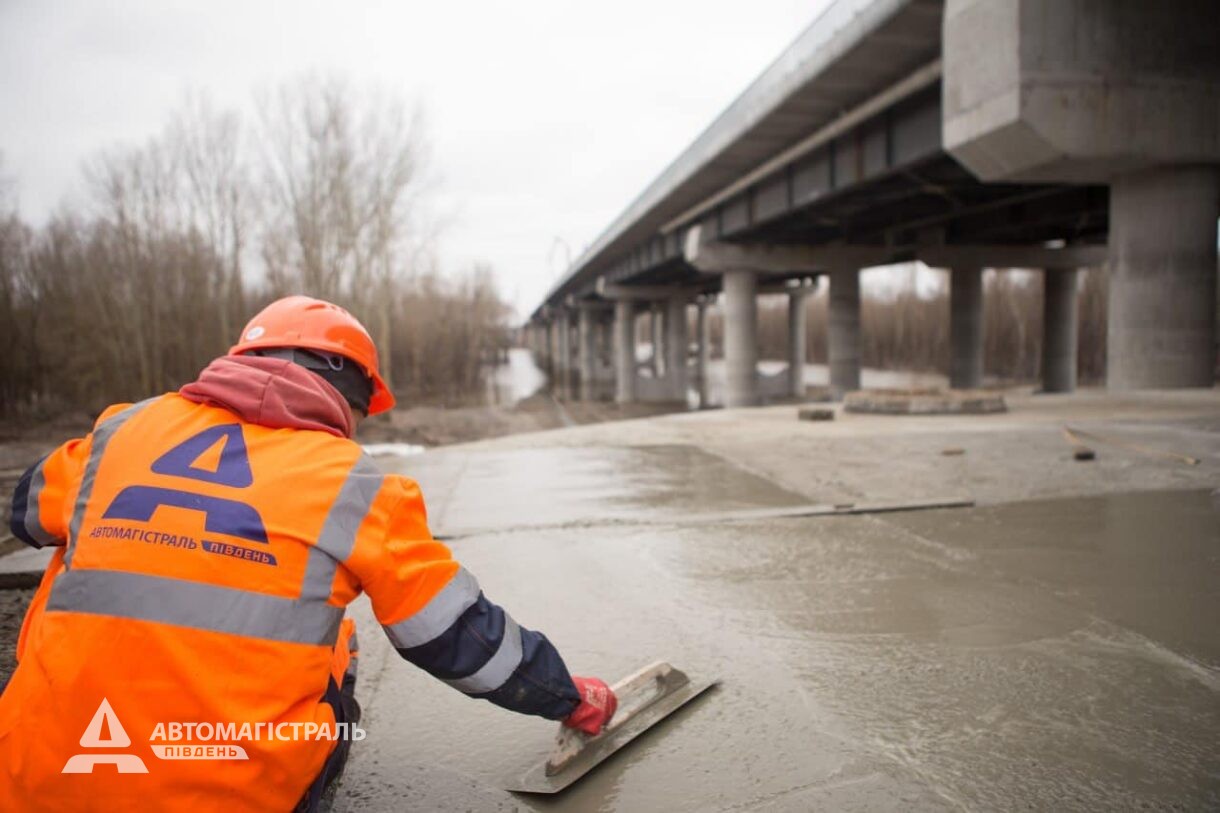
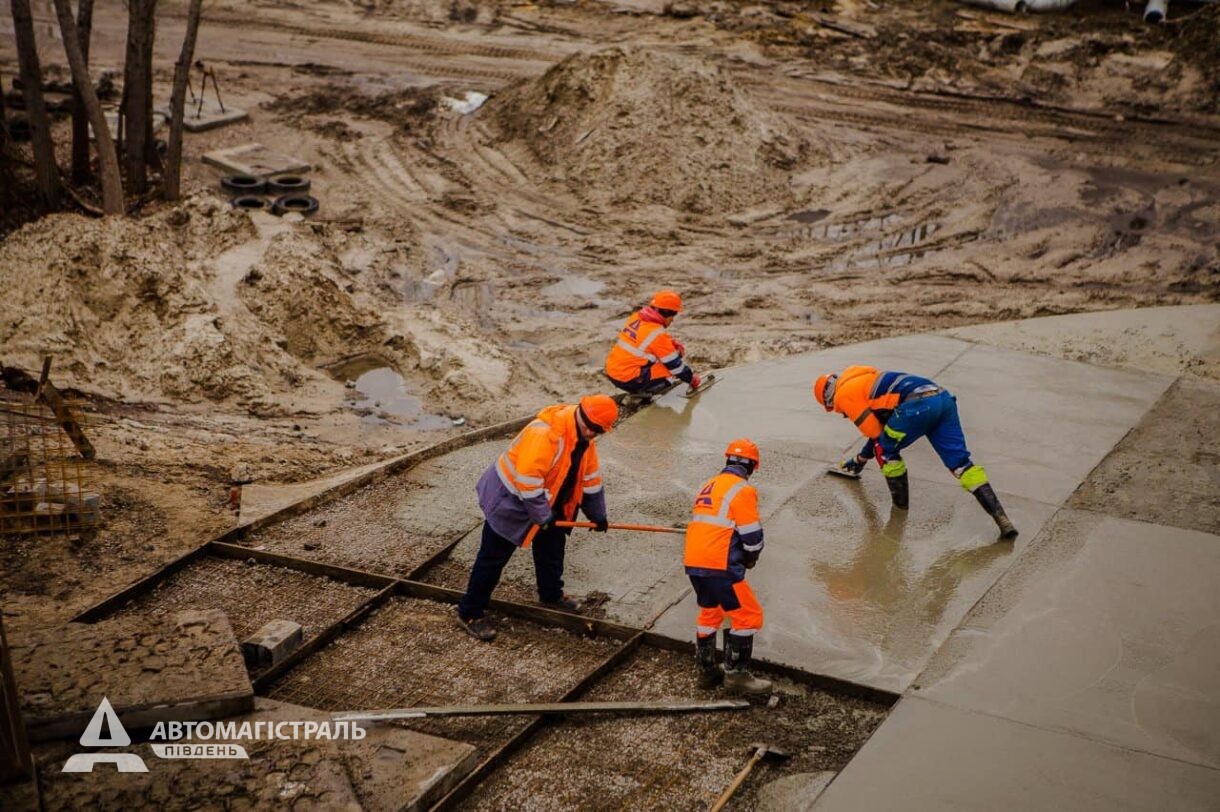
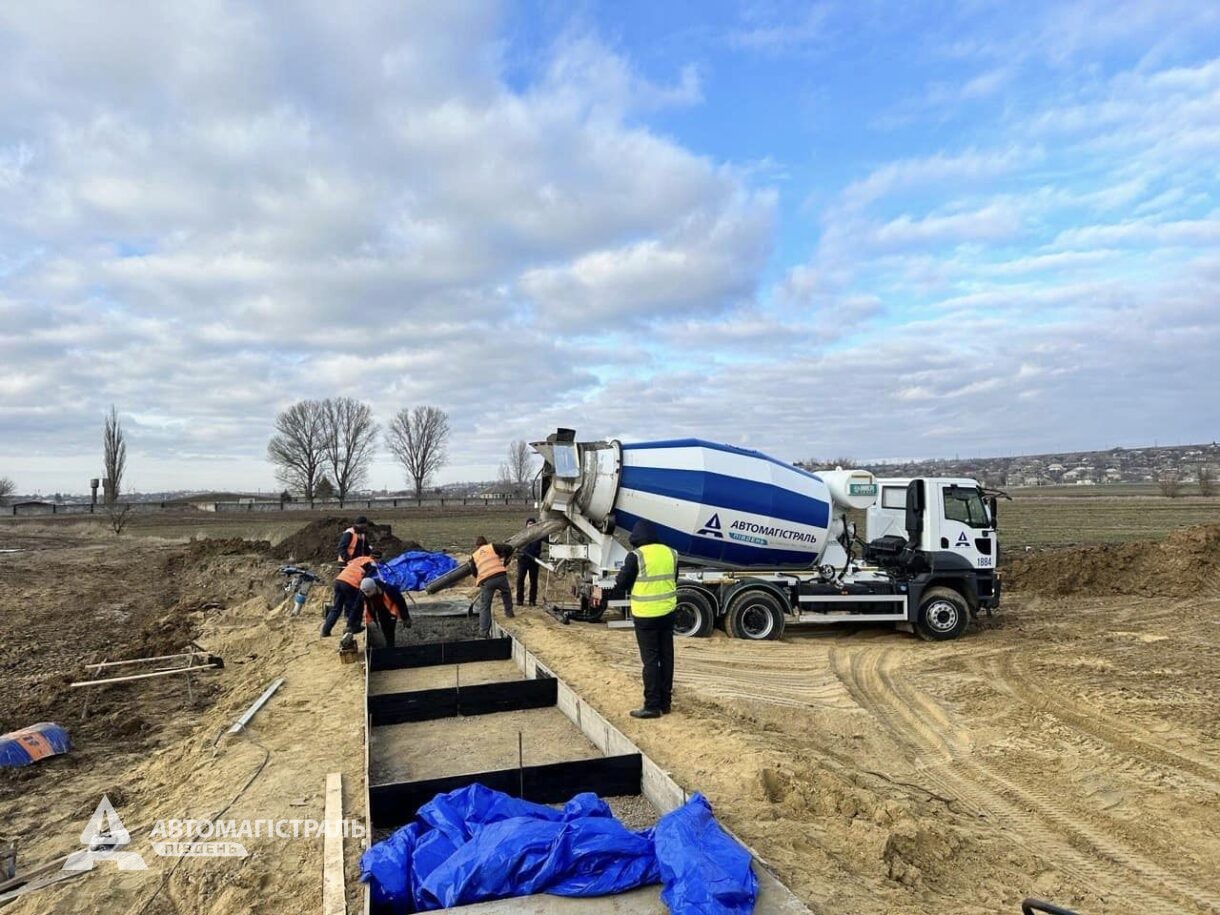
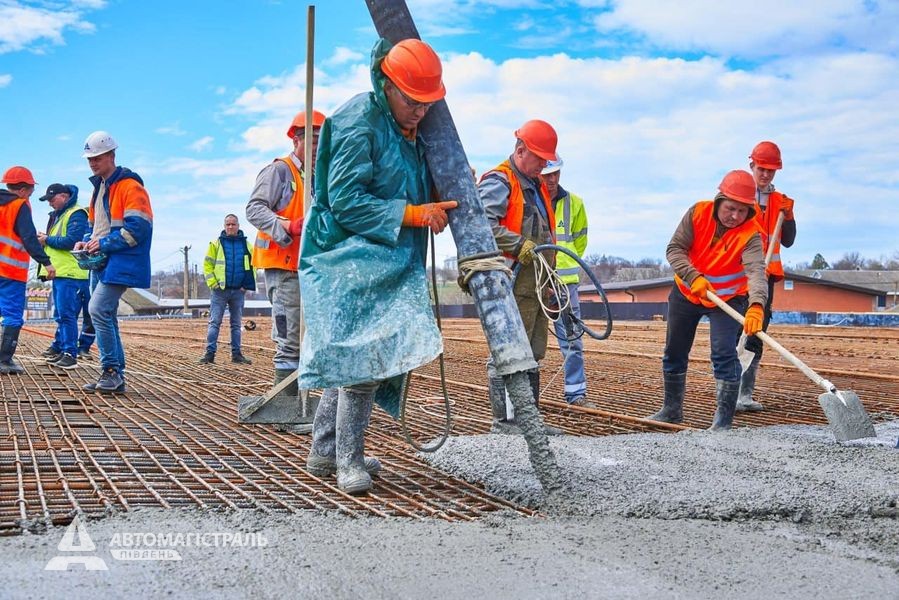
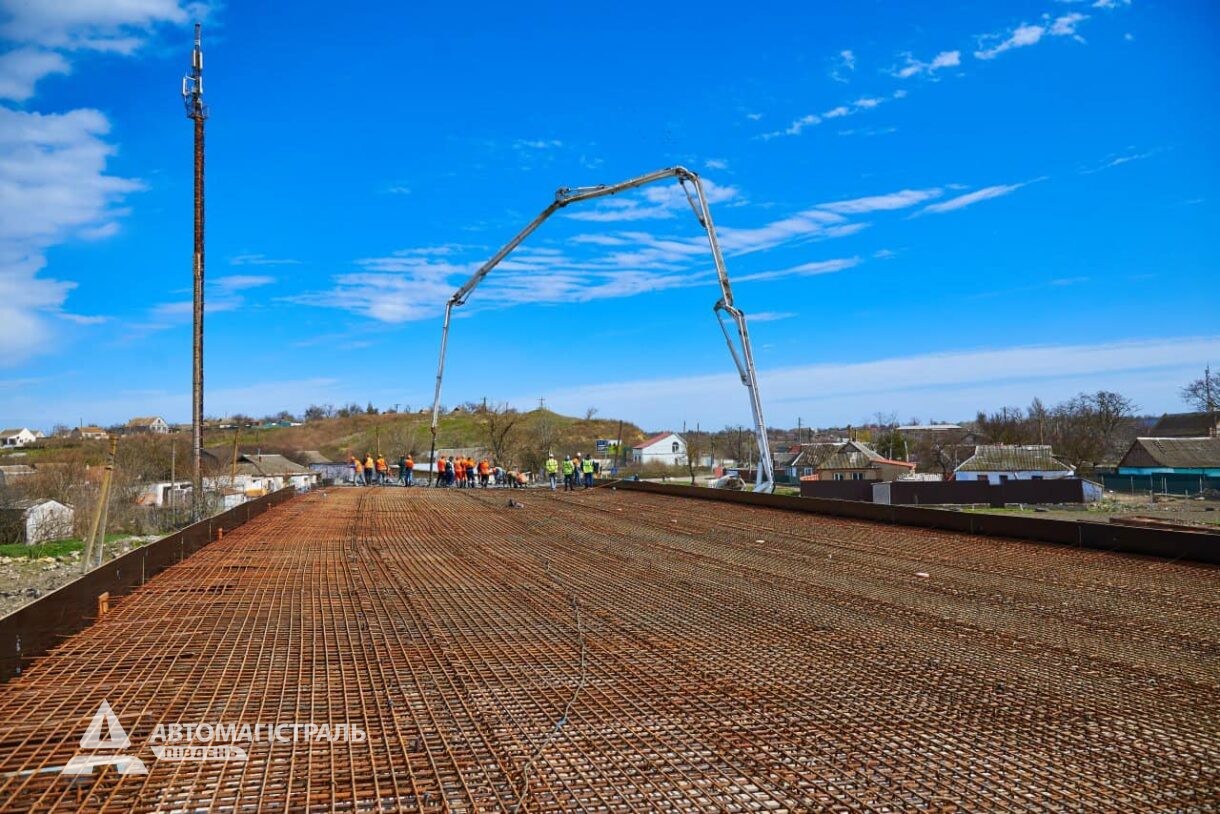
This week, the installation of monolithic bridge deck slabs was completed.
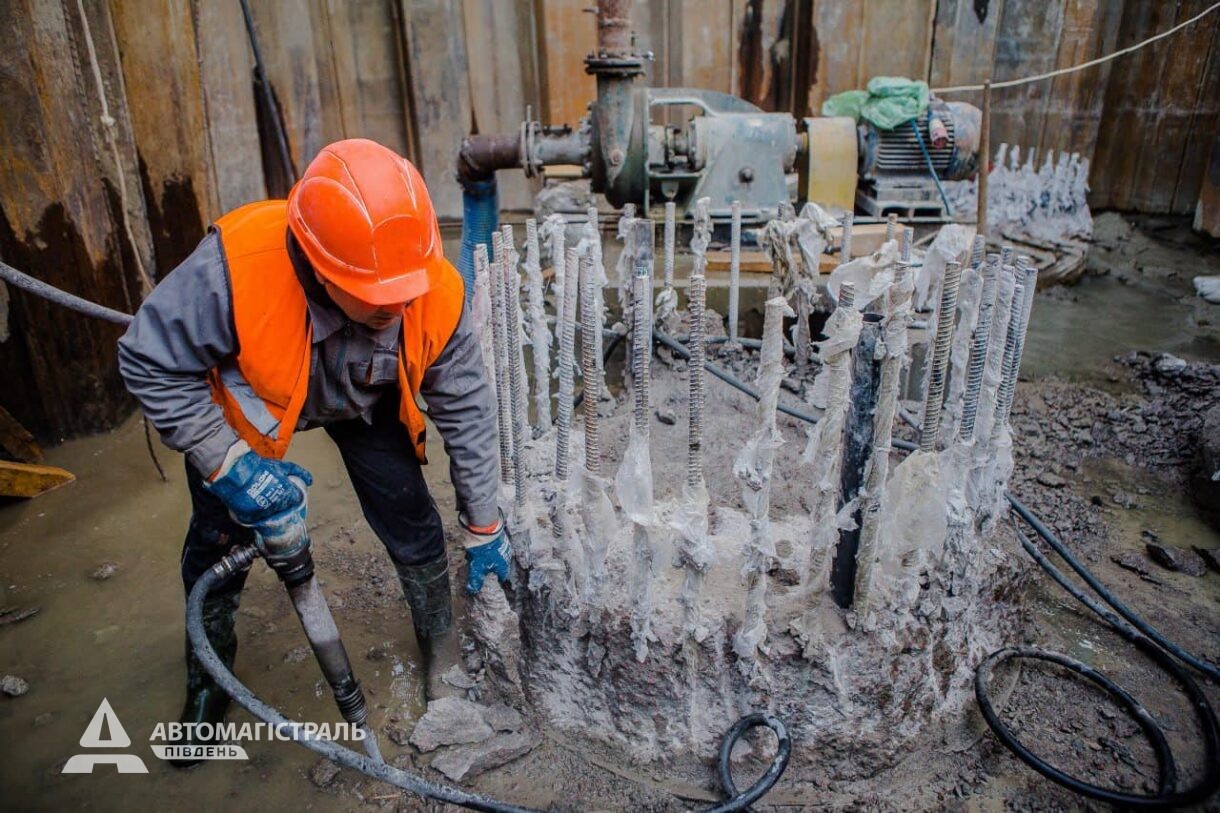
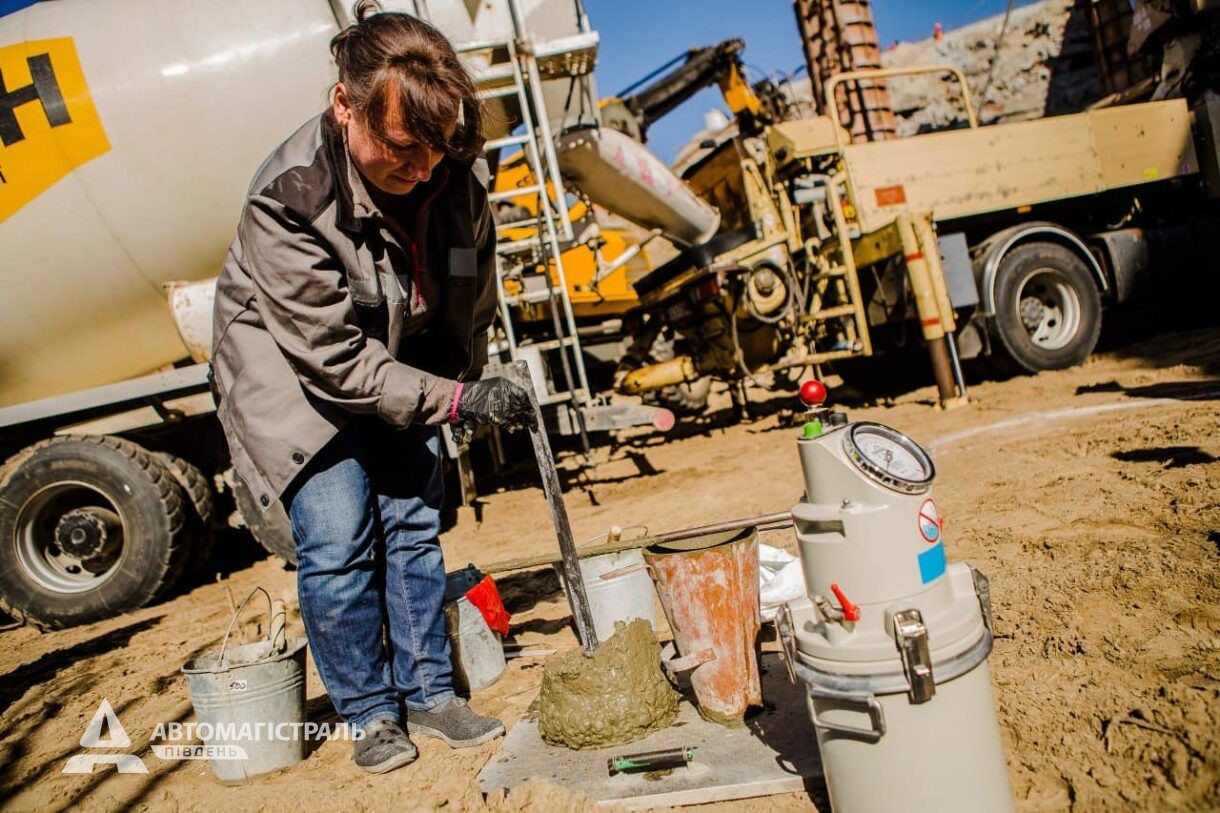
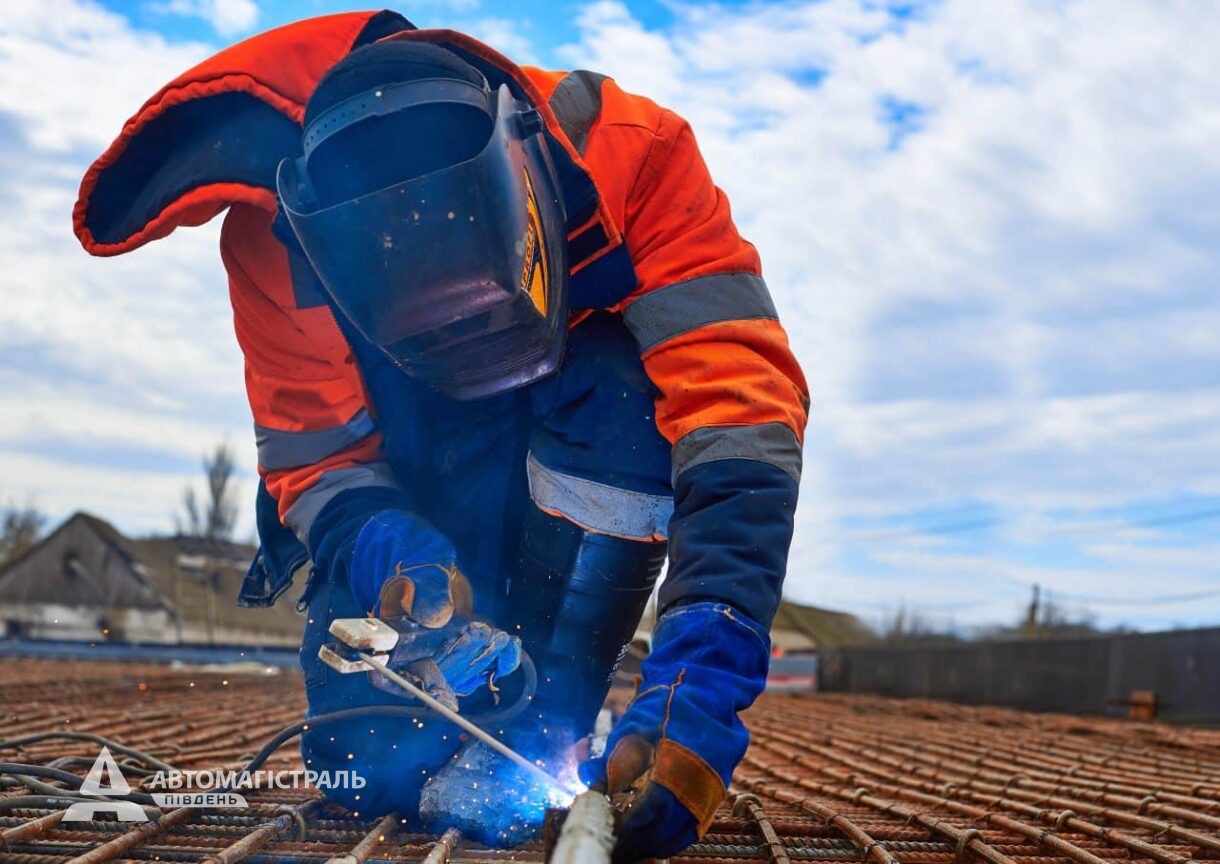
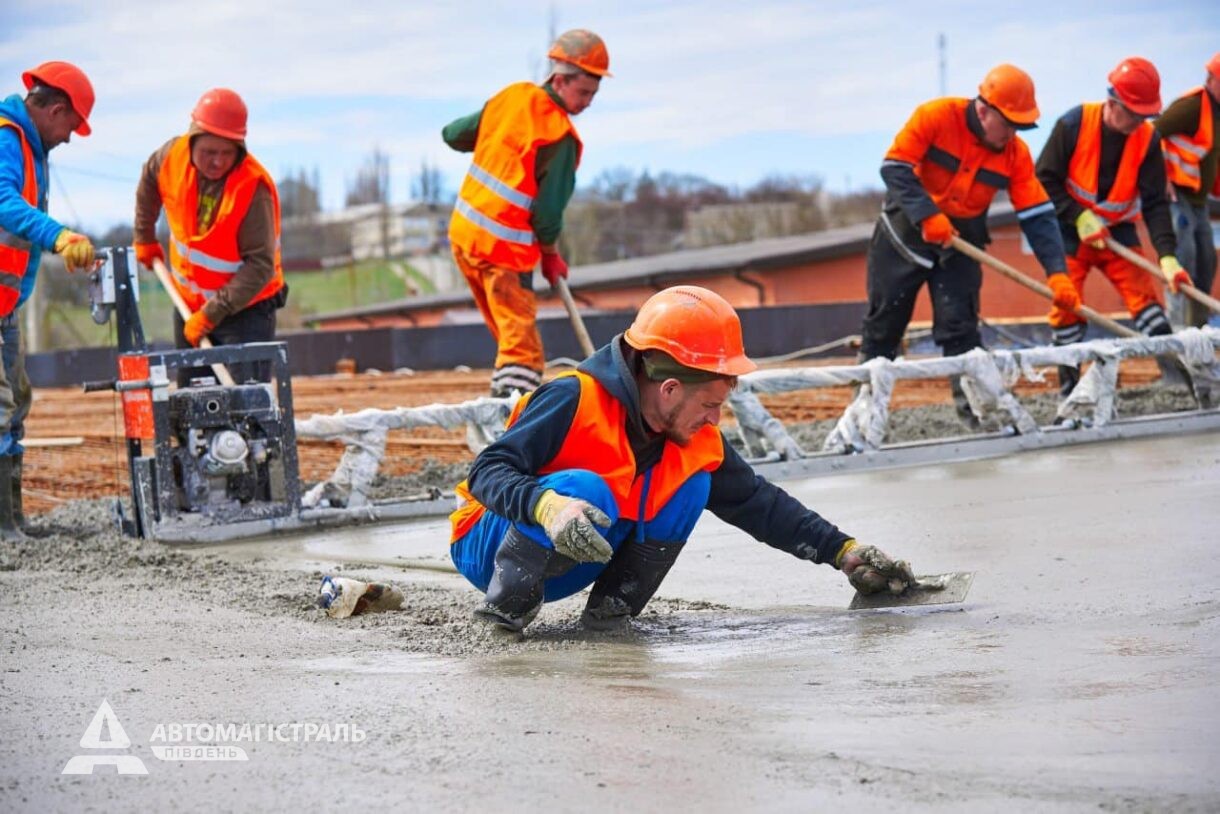
Early winter has been relatively mild, with temperatures above zero, but all works were carried out in compliance with the requirements for concreting during the winter period:
This is the main route from Kyiv to Warsaw and part of the Trans-European Transport Network (TEN-T). The length of our section under repair (from the village of Volia-Vysotska to the border crossing) is 33.4 km.
Before the war, the EBRD carried out a road safety audit, an economic feasibility study, and environmental and social assessments. In 2020, Ukraine and the Bank signed a financing agreement covering a number of projects, including the overhaul of the M-09.
During the war, the project became even more critical – traffic volume increased, and the road’s condition worsened.
Project scope includes:
In the first two years of the war, the Odesa-Reni highway became a non-stop corridor for grain trucks. Ukraine’s agricultural exports shifted entirely to the Danube ports. While the road surface generally held up, the extreme load eventually took its toll.
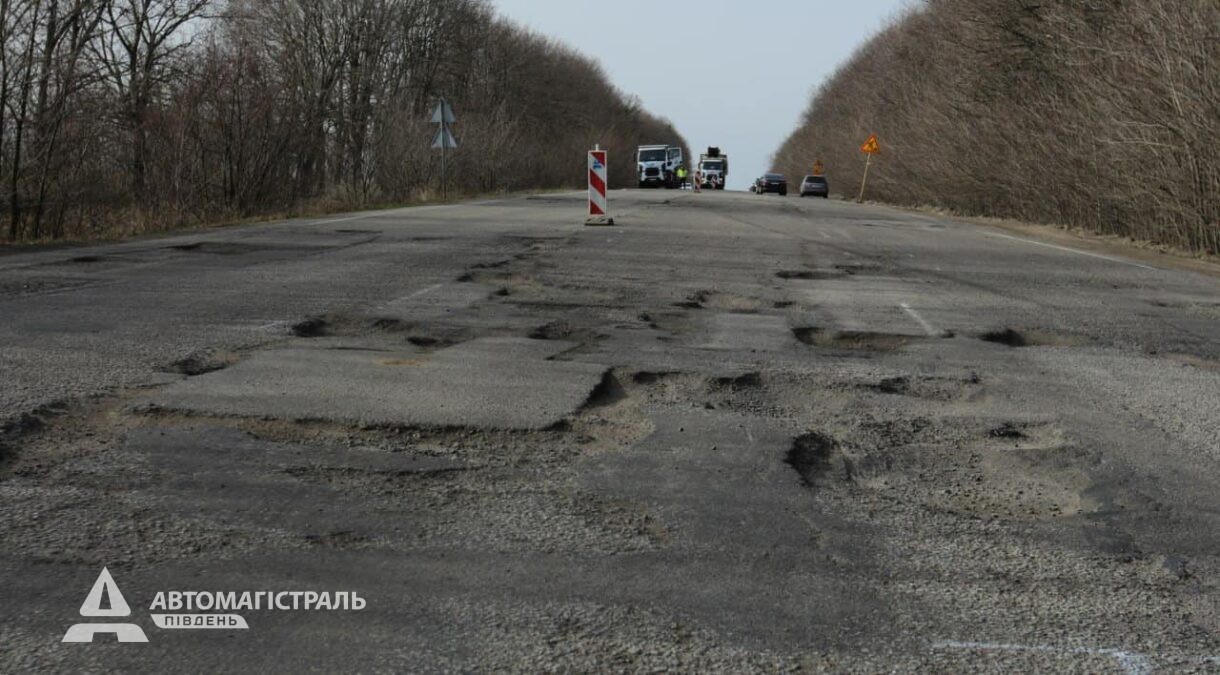
This resulted in the settlement of the bridge approaches near the Mayaky-Udobne-Palanka border crossing. This deformation poses a serious risk to road safety and threatens the structural integrity of the bridge itself.
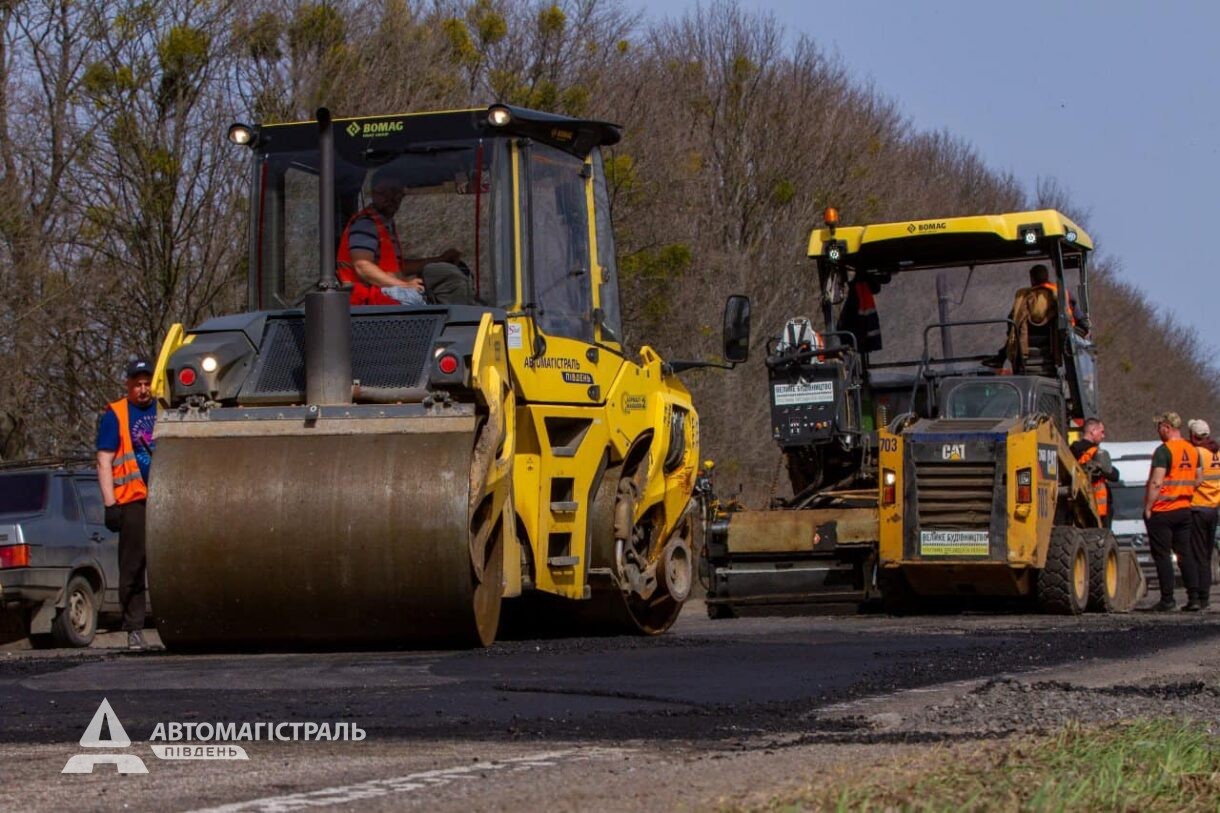
Our company, Automagistral-Pivden, received the task to restore the profile of the roadbed. The process involves:
Milling off the old pavement on the approaches.
Laying a layer of crushed stone-sand mixture.
Applying a layer of cement-treated crushed stone-sand mixture.
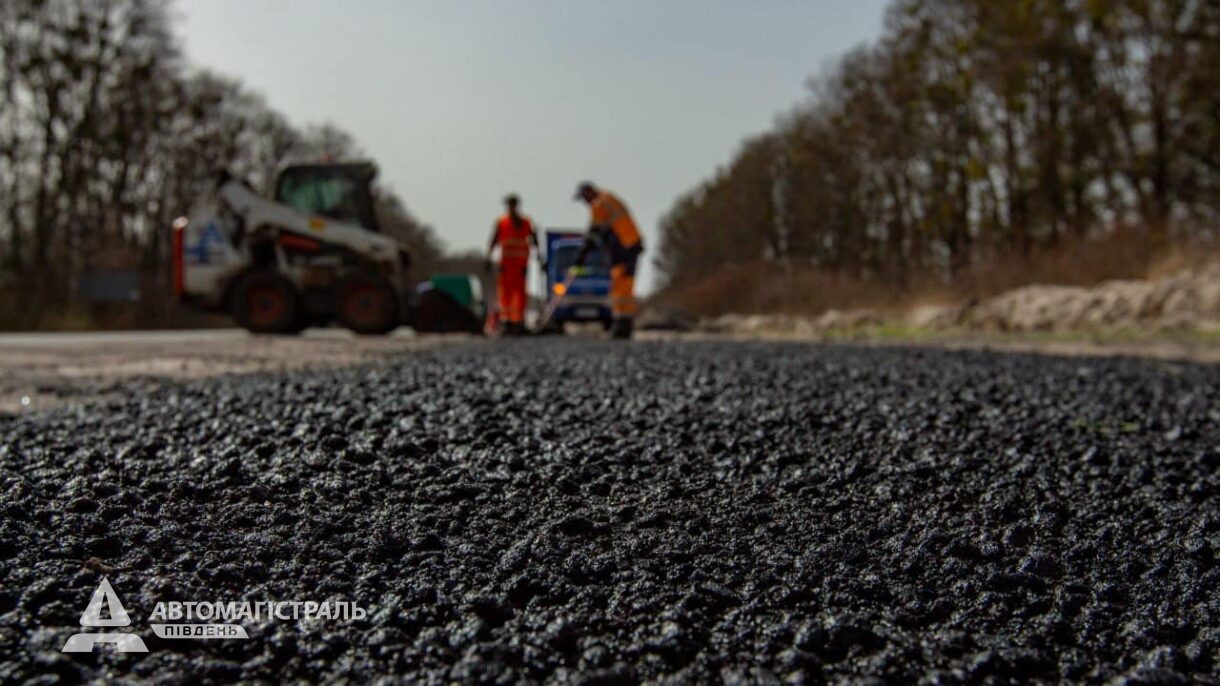
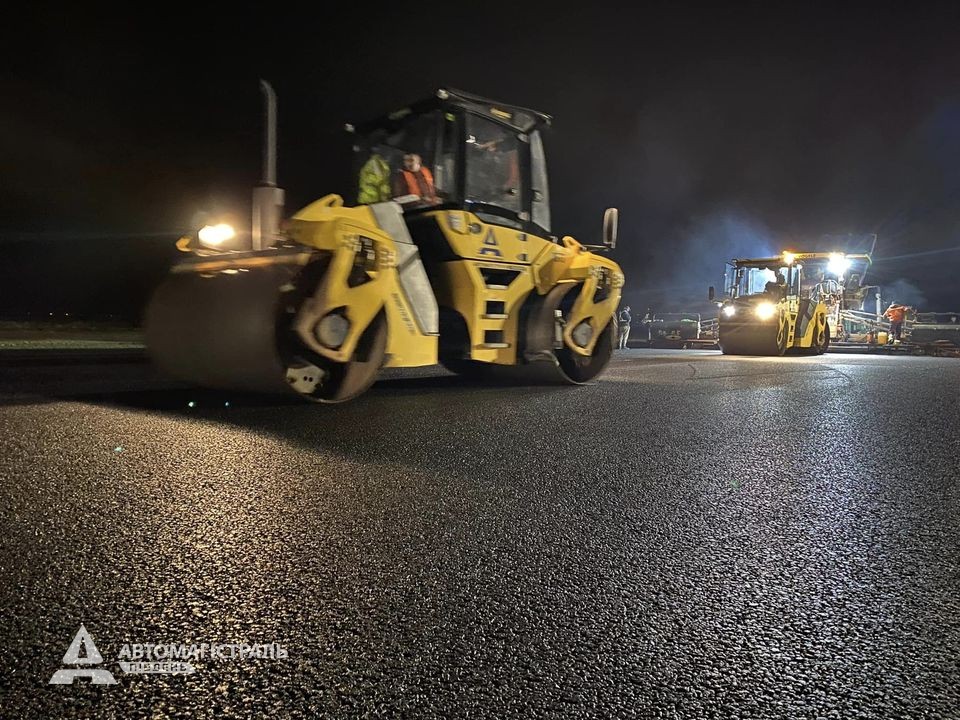
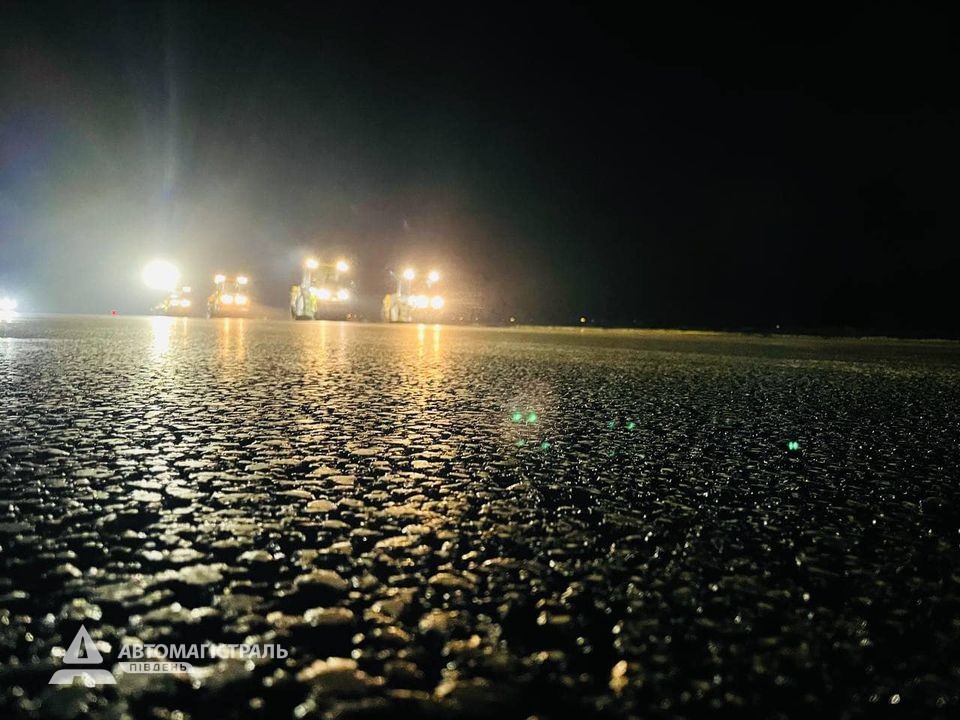
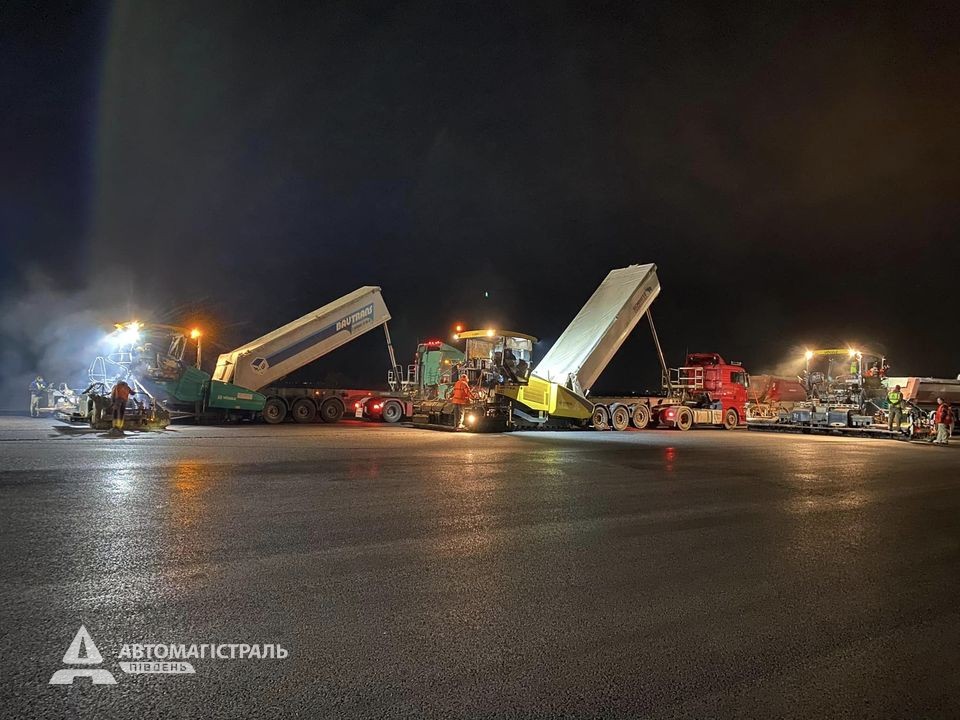
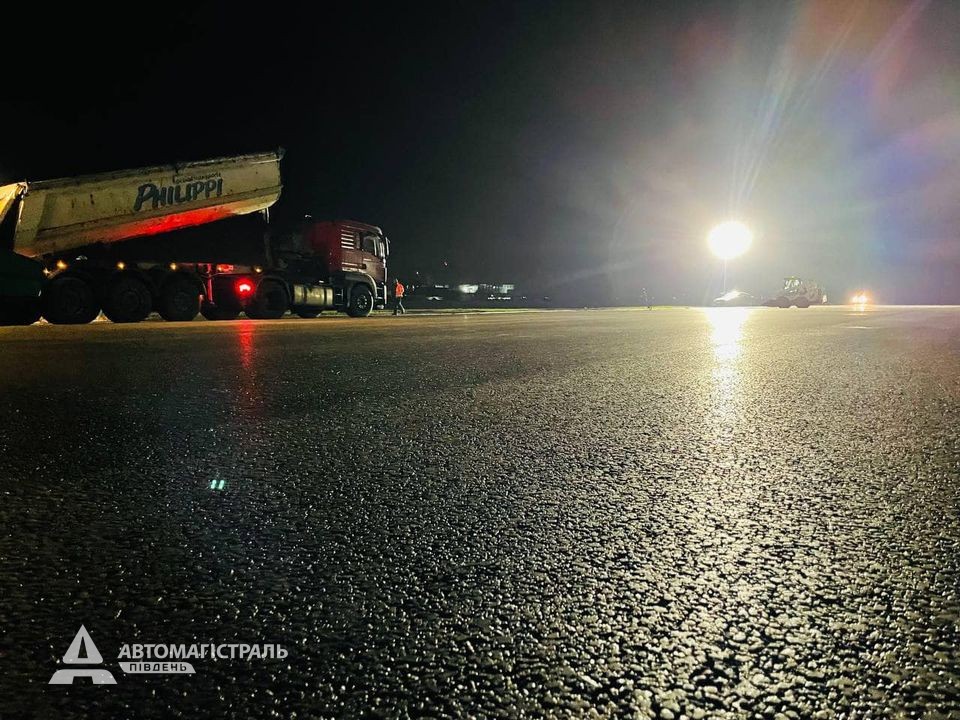
Finishing with two layers of asphalt concrete.
Yesterday, the Lviv region was swept by snow.
Since Friday night, Automagistral-Pivden’s equipment has been working non-stop on the roads.
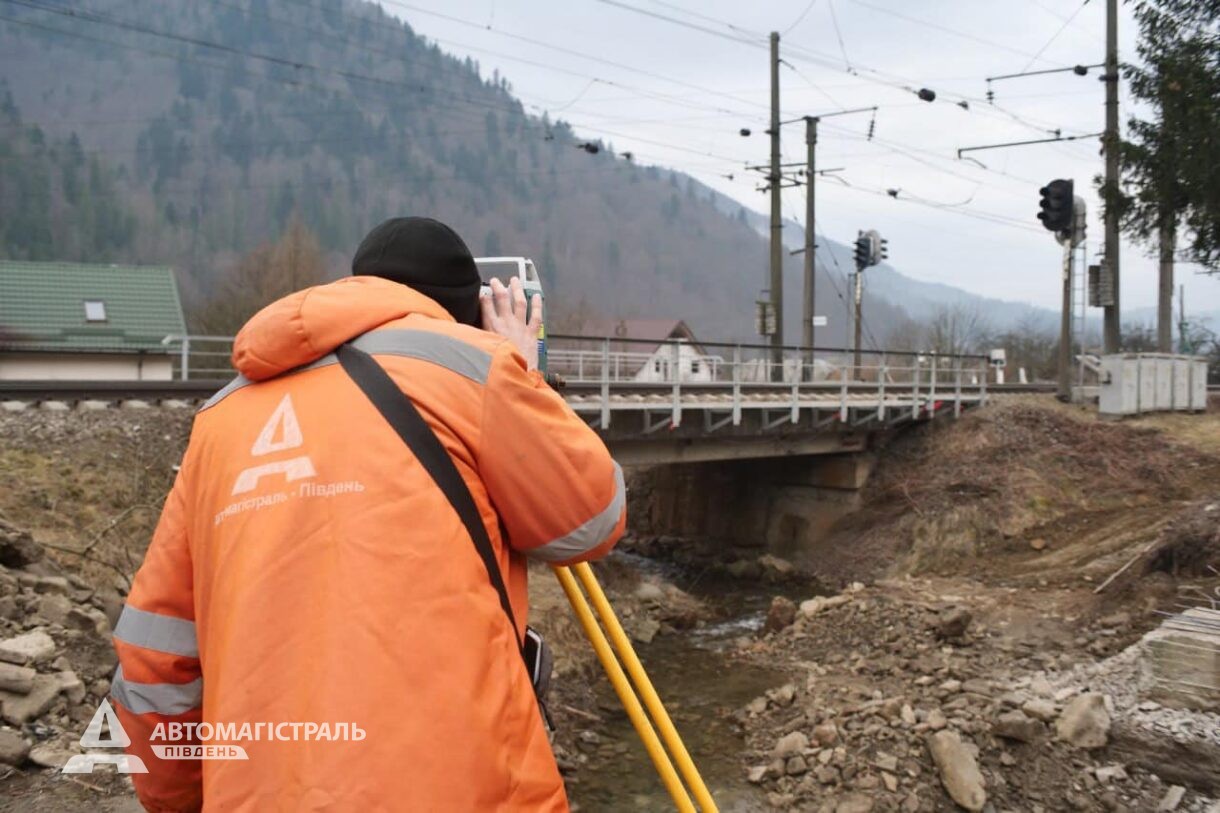
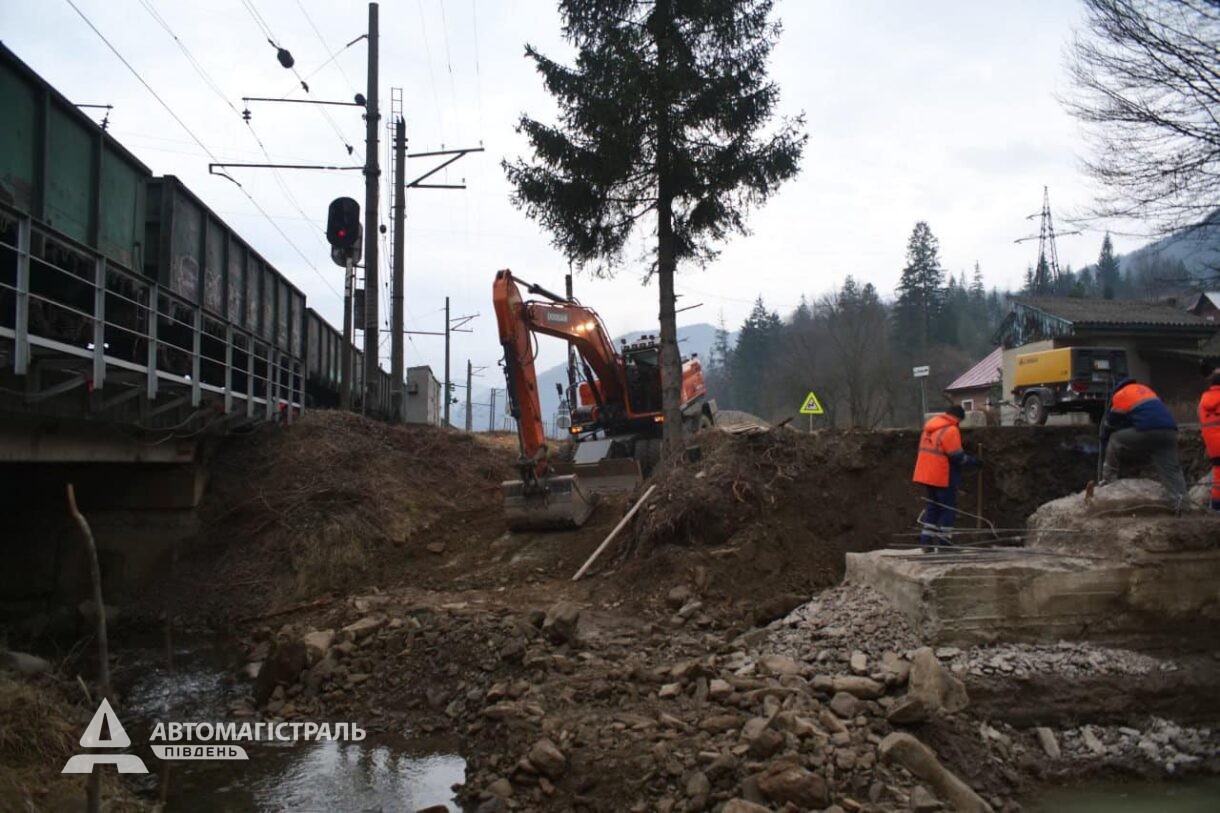
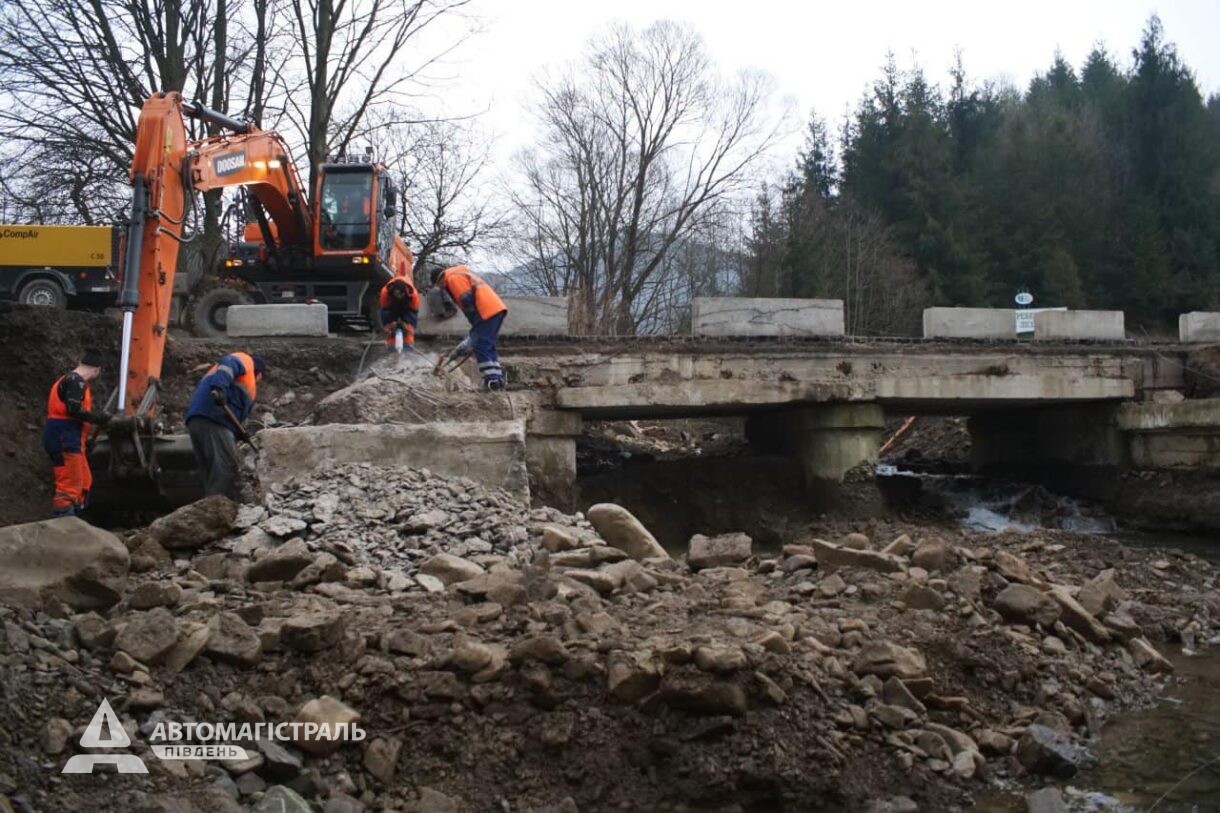
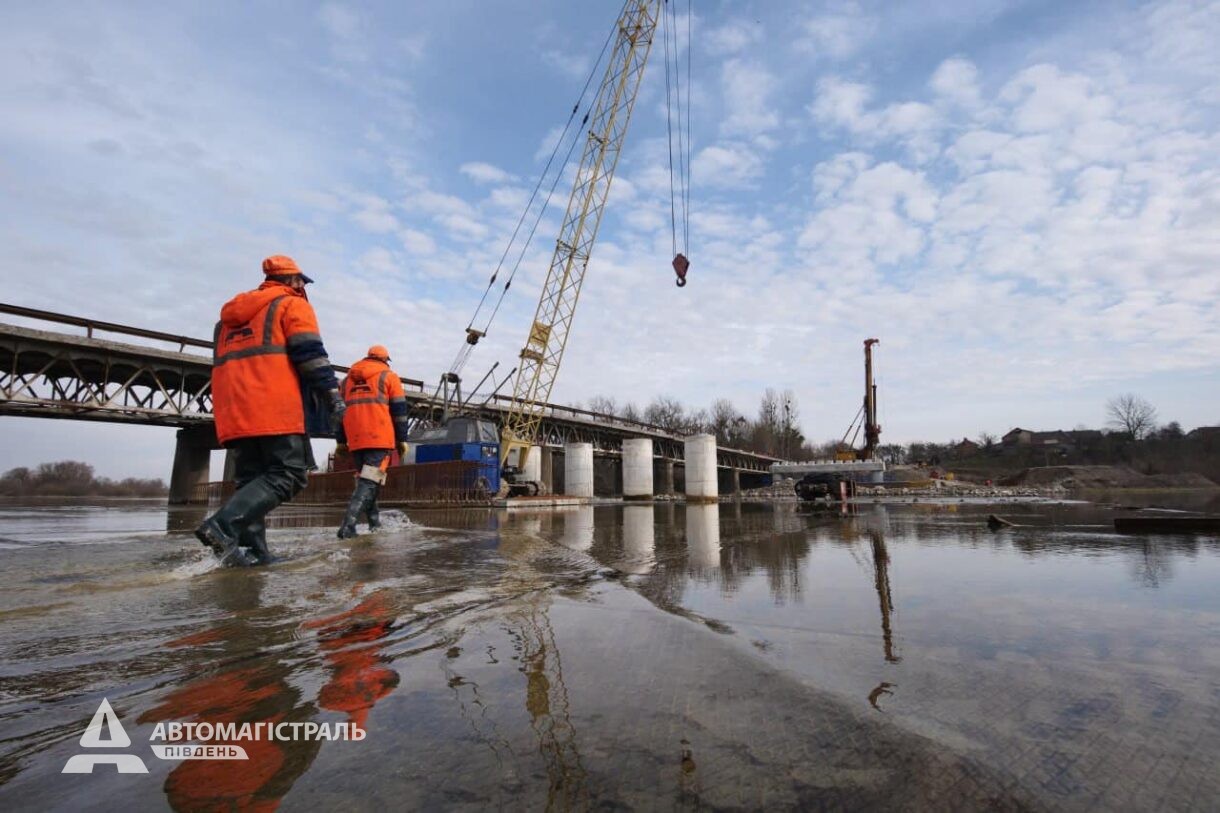
There is an emergency bridge on the highway leading to the city. Its condition is critical — the structure is falling apart. A temporary bridge crossing urgently needs to be installed nearby.
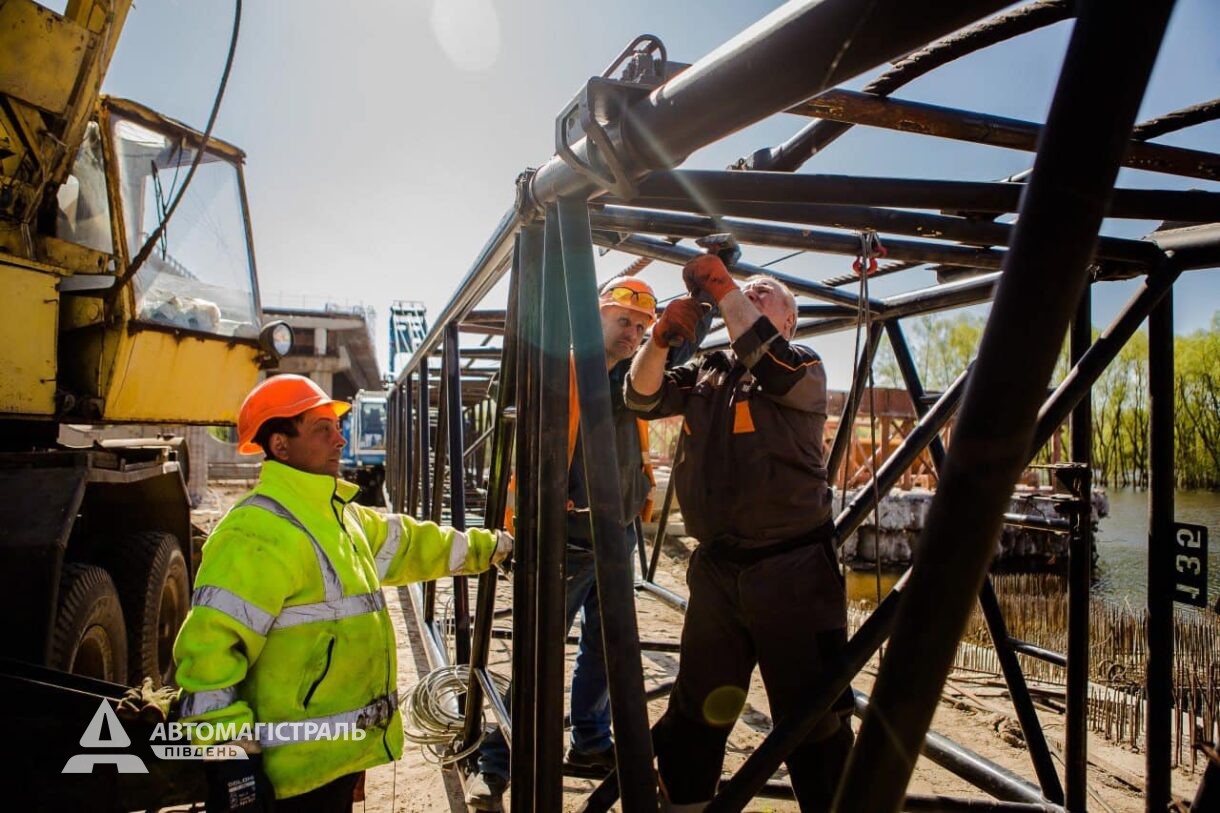
Ensuring passage along evacuation routes is a top priority, so a decision was made to use metal structures from Japan for construction. They were provided to our country as humanitarian aid.
The span length of the temporary bridge is 40 meters. Its weight exceeds 216 tons!
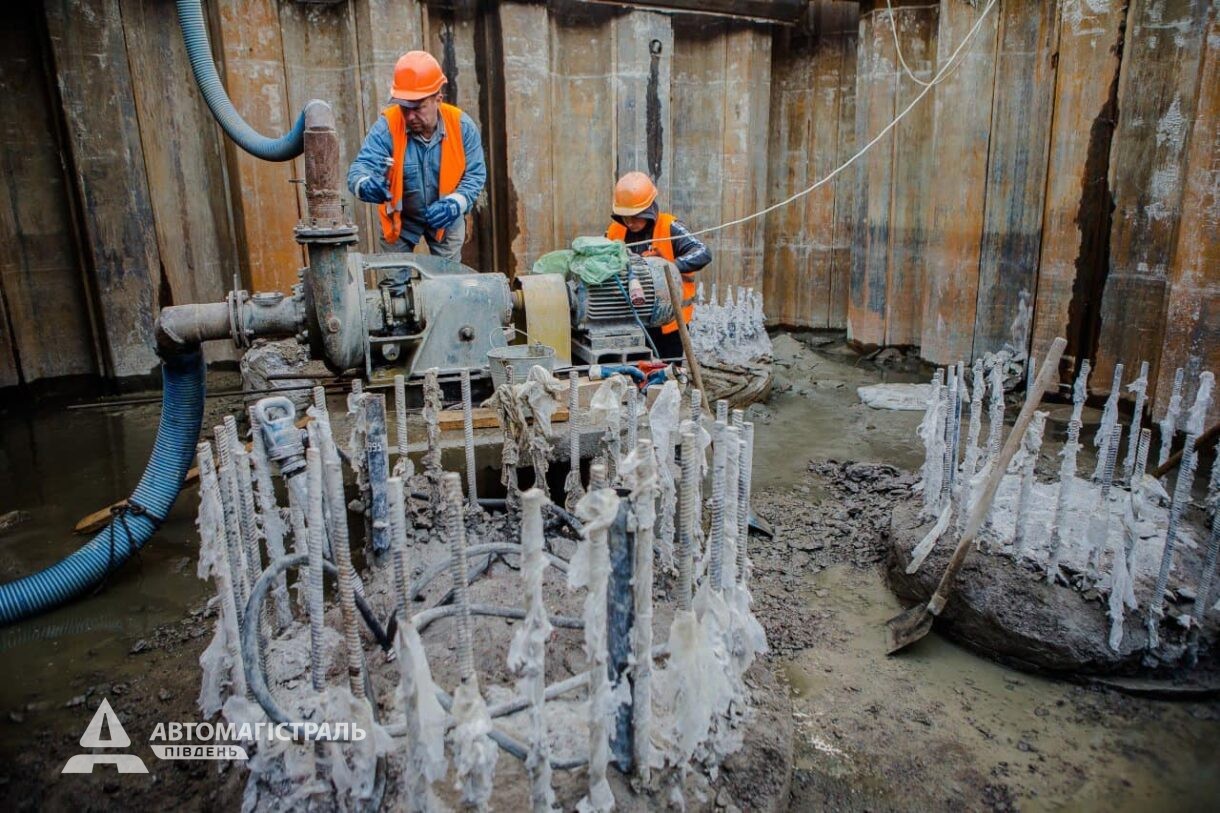
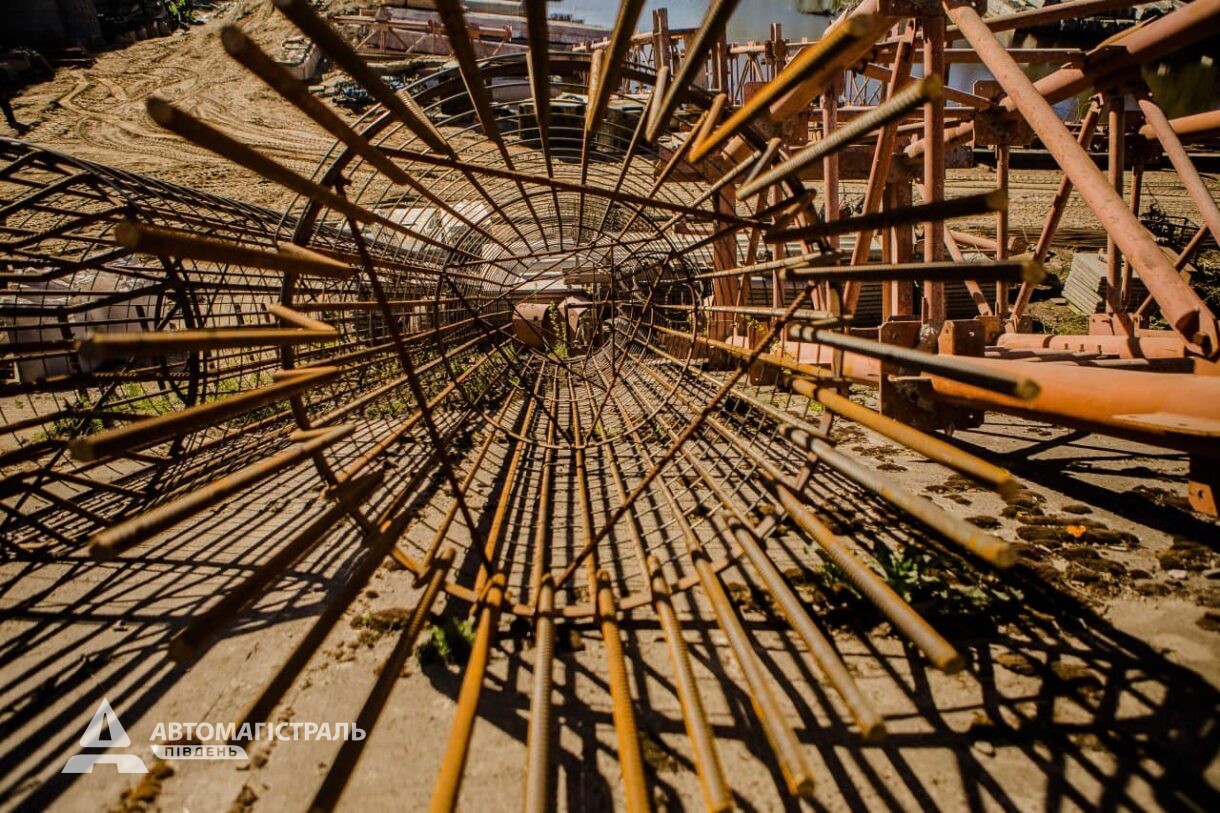
The bridge supports are built on foundations with metal pipes 1.4 meters in diameter.
The main element of the span structure consists of 10-meter beams connected to each other. In cross-section, the span consists of six beams.
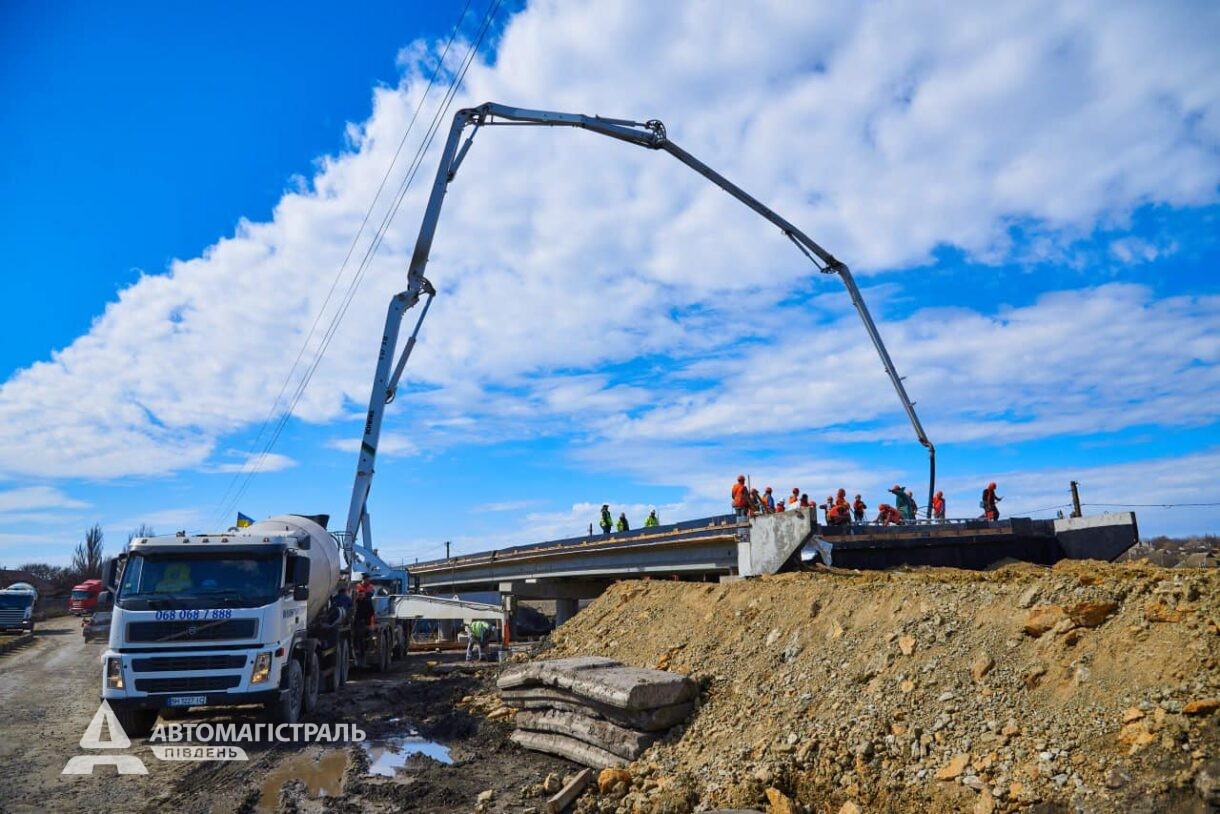
A deck made of metal flooring panels will be installed on the beams.
Barriers and a pedestrian walkway are included — everything necessary for safe traffic.
In Japan, such structures are used as temporary bypasses during major repairs of infrastructure facilities. The advantage of this technology is the speed of installation and the ability to build a crossing of any length.
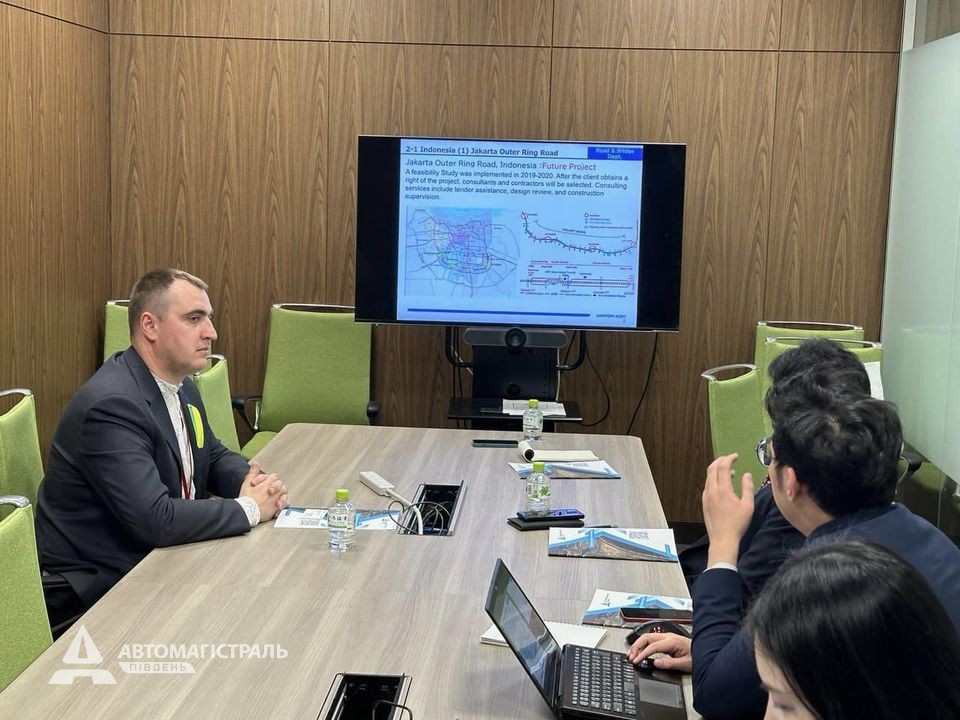
This week, a meeting with Finnish partners took place in Kyiv, organized by the National Association of Road Workers of Ukraine (NADU).
Participants included the Finnish National Emergency Supply Agency (NESA), the Finnish Transport Infrastructure Agency (FTIA), and the companies Caverion and GRK Infra Oyj.
NESA plays a key role in ensuring Finland’s preparedness for crisis situations.
FTIA, an agency under the Ministry of Transport and Communications, is responsible for planning, developing, maintaining, and improving the national network of roads, railways, and waterways in Finland.
Caverion designs, builds, operates, and maintains smart automated systems that improve the energy efficiency of buildings, infrastructure, and industrial equipment.
GRK Infra Oyj is a Finnish construction and infrastructure group operating in Finland, Sweden, and Estonia. The company carries out a wide range of engineering works, including the construction and maintenance of roads, railways, bridges, and environmental infrastructure facilities.
During the meeting, representatives of Automagistral-Pivden shared their experience in implementing critically important projects for the country and operating under wartime conditions, infrastructure restoration, construction of defense lines (fortifications), and protection of the energy sector. A significant number of projects have been carried out in front-line areas under conditions close to battlefield realities.
Working during wartime is not only about the risk of enemy airstrikes, which requires strict attention to safety measures. It also means constant readiness for urgent tasks, with no time for lengthy preparation.
According to European partners, the experience of companies like Automagistral-Pivden is extremely valuable. Since russia poses a threat not only to Ukraine, European countries must be fully prepared for a possible escalation. This concerns not only the military aspect but also the infrastructure maintenance system.
For its part, Automagistral-Pivden is interested in partnering with leading European companies to implement infrastructure projects within the European Union.
Thus, the meeting and the opportunity to establish cooperation were extremely useful for everyone.
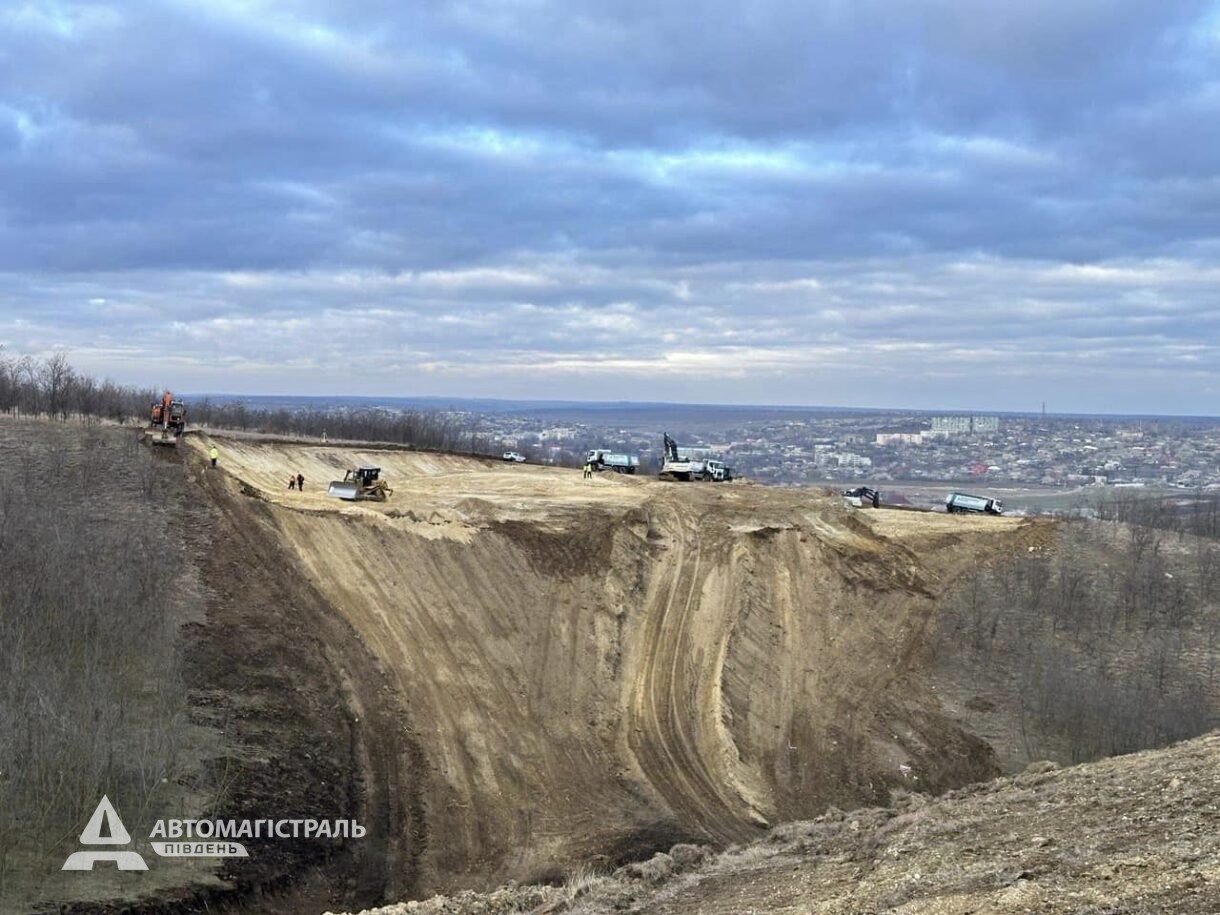
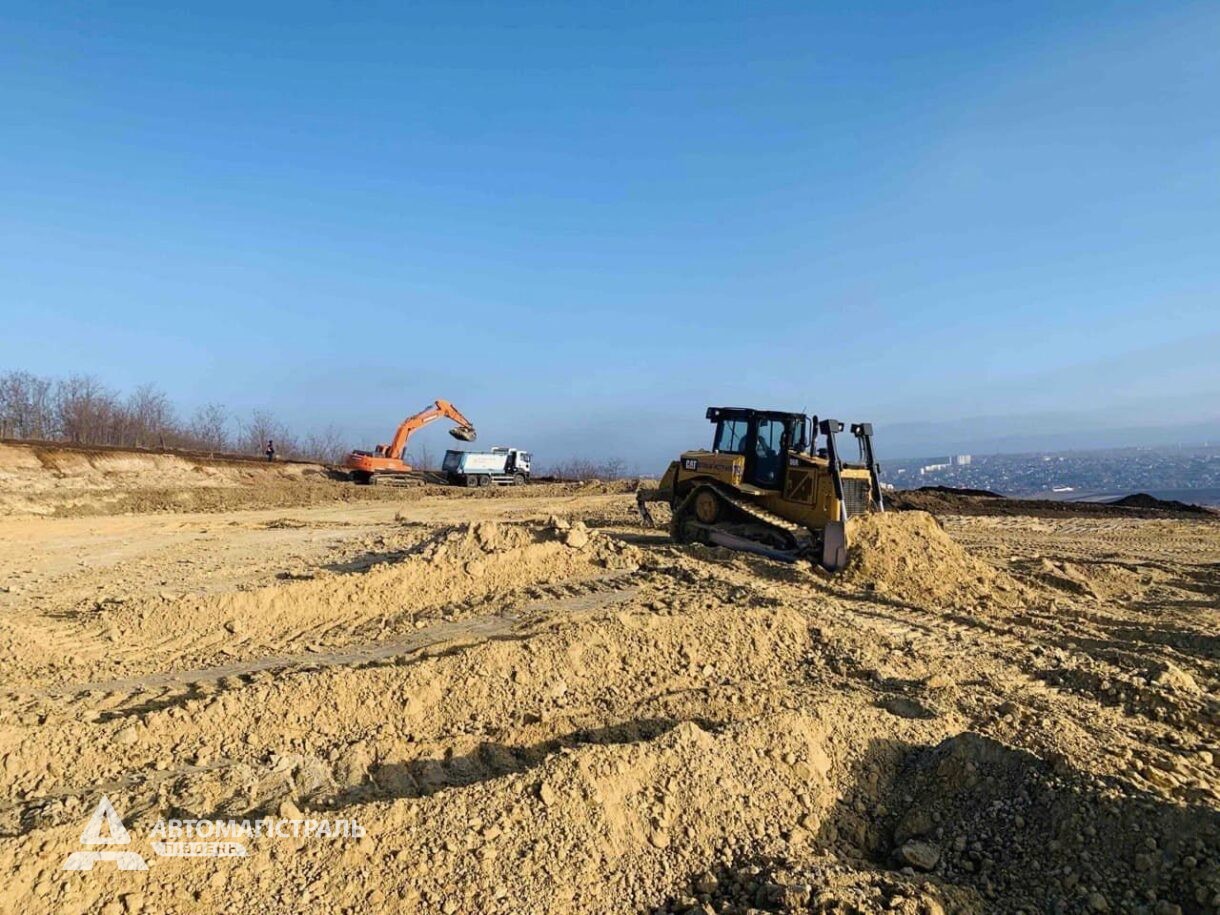
To stop the enemy advance: on one of the important sections of the front, we are setting up a multi-kilometer strip of non-explosive obstacles (NOB)!
The NOB is an anti-tank ditch several meters deep combined with a multi-row and multi-level Egoza barrier. A simple, but in the realities of today’s war, effective solution.
As a rule, the enemy attacks our positions with small infantry groups. The strip delays the russians, not allowing them to move quickly, making them an easy target for Ukrainian drones.
Daily, we set up kilometers of such obstacles.
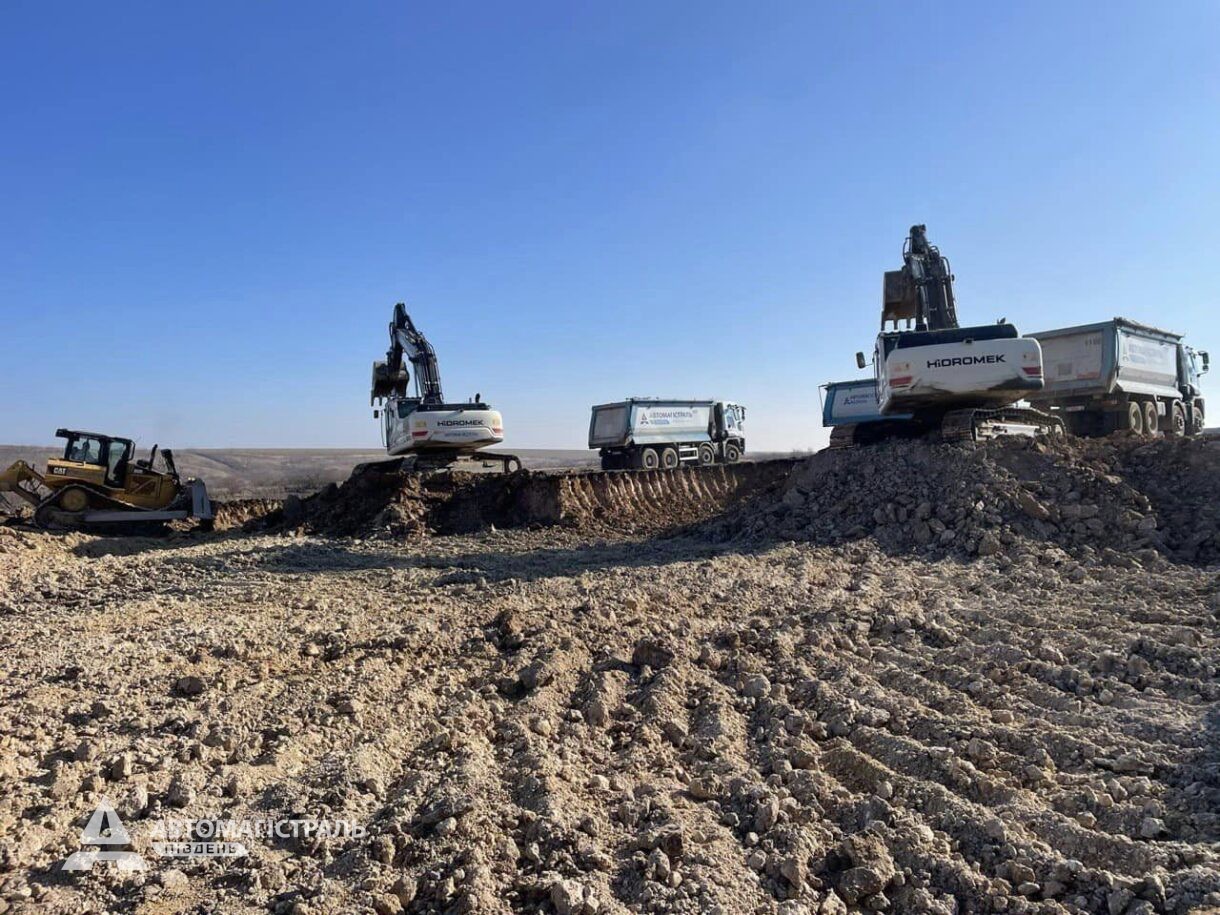
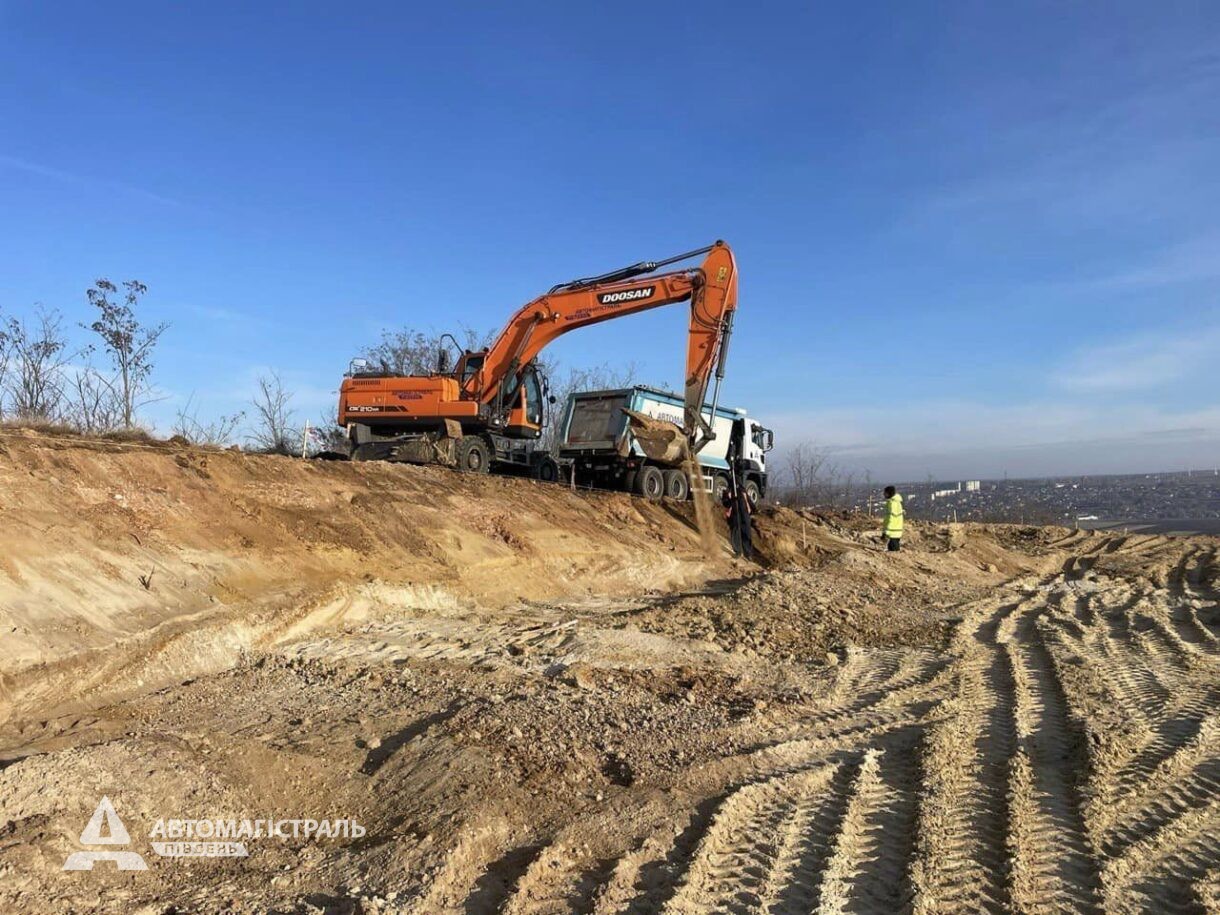
The company performs a full cycle of work. 15 units of equipment and several dozen workers are constantly operating at the site.
This is not our first NOB. Over the past year, we have built such strips in Sumy and Donetsk regions. Every time, the entire scope of work was completed on time and in full.
Organizing work in the front-line zone is an extremely difficult task. It is necessary to arrange the delivery of workers, provide shelter, and evacuation.
Over the year of building fortifications, the company has lost dozens of units of expensive equipment. There are injured workers. But we continue to help the military. We must help our soldiers stop the enemy – this is our sacred duty.
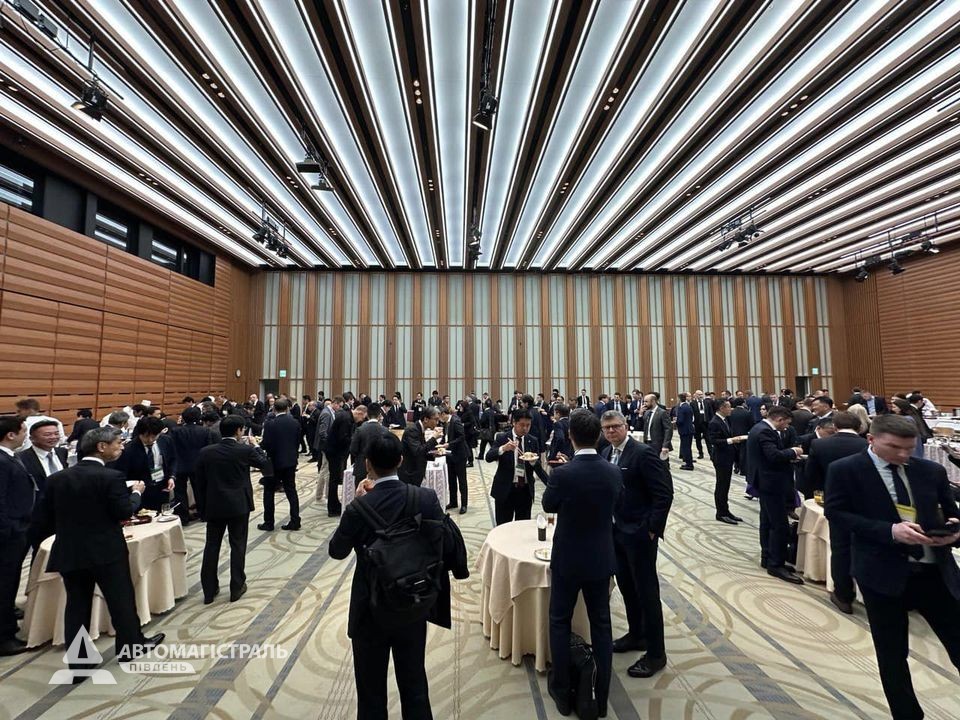
This year, the event brought together over 6,000 participants from 33 countries—governmental institutions, municipalities, international financial organizations, and companies working in the fields of construction, energy, logistics, and the production of materials for reconstruction.
During URC2025 in Rome, Automagistral-Pivden signed a Memorandum of Cooperation with the Italian concern Webuild. The Memorandum provides for cooperation in the implementation of large infrastructure projects in various regions of Ukraine. Webuild attracts financing, provides design, supervision, and technology, while Automagistral-Pivden ensures the implementation of the projects.
In Warsaw, our team held meetings with our Italian partners. We discussed the “roadmap” for future cooperation, and interaction with international financial institutions and Ukrainian government bodies.
A reminder: Webuild operates globally—from Qatar to California. The company’s project portfolio for 2024 reached 63 billion euros, and the number of employees reached 93,000.
Also, during the event, a meeting took place with another one of our new partners—the leading Italian engineering company Technital, which designs facilities and provides construction supervision for infrastructure in various countries around the world.
Our international partners once again confirmed that they view the “Ukrainian vector” as strategically important and are ready to maximize their assistance for investments in Ukrainian infrastructure.
The most optimal way to implement infrastructure projects, in their opinion, lies in cooperation between leading Ukrainian and European companies. This type of cooperation guarantees maximum transparency, the engagement of the most modern technologies combined with the use of local Ukrainian production resources.
Last season, the company was responsible for 9,600 km of roads, but this year, in addition to state-level highways, a large network of local roads in the eastern regions has been added.
In the frontline regions, local roads are crucial for supplying the military, evacuating the wounded, and other essential needs. Therefore, their maintenance is given significant attention.
Overall, the regions where our operational units are present remain consistent: Dnipropetrovsk, Chernihiv, Sumy, Kharkiv, Kyiv, Lviv, Odesa, and Volyn regions.
For many years, our company has been the leader in the field of road operational maintenance. Our units are always provided with everything necessary and are ready to work. We proactively invest significant financial resources in preparing equipment and establishing material depots for road treatment.
For the 2025-2026 winter season, the company plans to procure:
• 32 thousand tons of salt
• 112 thousand tons of inert aggregates
• Almost 140 thousand tons of anti-icing sand-salt mixture
The majority of these materials have already been stored in our depots!
Our enormous fleet of equipment is also fully ready for winter:
• Combined Road Vehicles (CRVs/KDM) – 339
• Loaders – 122
• Motor Graders – 54
• Other snow-clearing equipment (auger-rotary vehicles, tractors with plows, etc.) – 71
The equipment and depots are dispersed across nearly 100 DRP (Road Repair Depots).
We are told that the winter will be challenging for Ukraine. But we will ensure safe traffic on the roads under any conditions!
The children’s handball team “Automagistral-Pivden Ivanivka” is starting their fight for the championship title in their brand-new uniforms!
Soon, the qualifying rounds of Ukraine’s national handball championship will begin for youth teams in two age categories. Among the contenders for victory is our sponsored team from the Children and Youth Sports School of Ivanivka village in the Odesa region.
Recently, we surprised the young athletes with a gift – a complete set of gear, including an autumn/spring jacket, a tracksuit, two sets of game uniforms, two sets of training T-shirts, ceremonial T-shirts, sports socks, and professional handballs with a carrying bag.
Now the team is fully equipped for training and competitions at the highest level!
“Automagistral-Pivden” has supported the team for many years. Ivanivka, in the Odesa region, is the native village of the company’s founders. Many of our specialists and employees also come from Ivanivka.
That’s why, Boyko family gladly supported the idea of Serhiy Latushkov, the local sports school’s coach, to create the best youth handball team in the Odesa region, and perhaps in the entire country.
“For children from a small town who don’t have wealthy parents, sports are a path to a bigger world. I’m grateful to the Boyko family for taking our team under their wing — providing uniforms, sports equipment, and helping with training camps and tournaments,” said Serhiy.
And this year, our team won the all-Ukrainian competition in Bucha, which brought together 22 teams from all over Ukraine. The team has also started the new season successfully: with four wins in their first four games!
During the occupation of the town in March 2022, the square was heavily shelled by artillery, and nearly all buildings were severely damaged and burned.
In August 2025, reconstruction of the square commenced as part of an experimental project for the comprehensive restoration of settlements.
The rebuilding is being carried out as the first phase of the restoration plan.
The project includes: creating convenient pedestrian crossings and driveways, installing a new stormwater and sewage system, improving access roads to the railway station, and arranging parking areas for buses and private vehicles.
The aim of the reconstruction is to restore the square’s significance make it a comfortable and safe space for people again.
The Intergeo 2025 exhibition is the premier event for the geoinformation industry, showcasing leading technologies and solutions in geodesy and geoinformatics.
A key focus for our company is the integration of Building Information Modeling (BIM) into construction and infrastructure. A shared information space is quickly becoming a required part of large-scale international infrastructure projects. Employers, designers, contractors, and consultants all exchange data within a single information ecosystem.
Another rapidly developing field that’s now essential to all construction processes is 3D laser scanning technology. The scanners on display in Frankfurt were incredibly diverse, from portable devices integrated with smartphones to complex systems that can take precise measurements in the air, on water, on land, and even underground. New multifunctional software suites for processing massive data volumes—including point clouds, orthophotos, and ground-penetrating radar data—were also showcased. Thanks to 3D scanning, we can now quickly and accurately monitor the volume of work completed, its compliance with the project, and countless other parameters. When combined with AI, this creates opportunities for significantly more effective control over construction processes.
During the event, we discussed with our partners how to modernize our geodetic equipment, scanning systems, and automated machine control using a trade-in program.
Automagistral-Pivden has always been a national leader in implementing innovations. We will continue to closely follow all new global technological trends!
Capital repairs on a section of the international highway between Lviv and the Rava-Ruska–Hrebenne border crossing began in April of this year. Thanks to extensive project preparation, efficient management, and a fast pace, a significant amount of work has already been completed.
Specifically, the span structure beams have been installed on three of the six bridges. Work to construct bridge supports is underway on the other bridges.
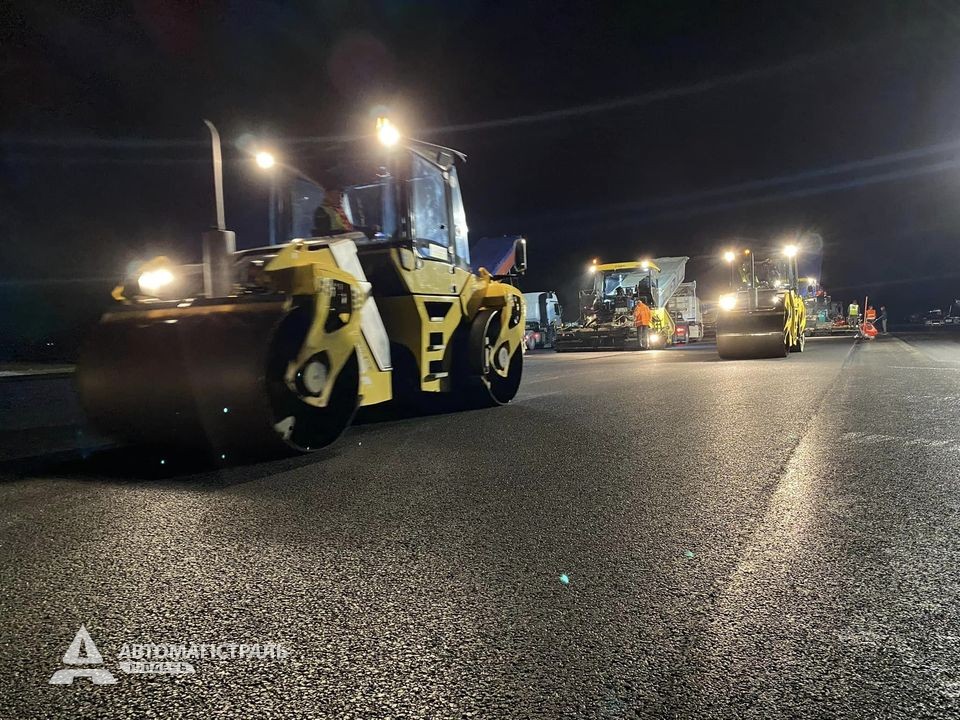
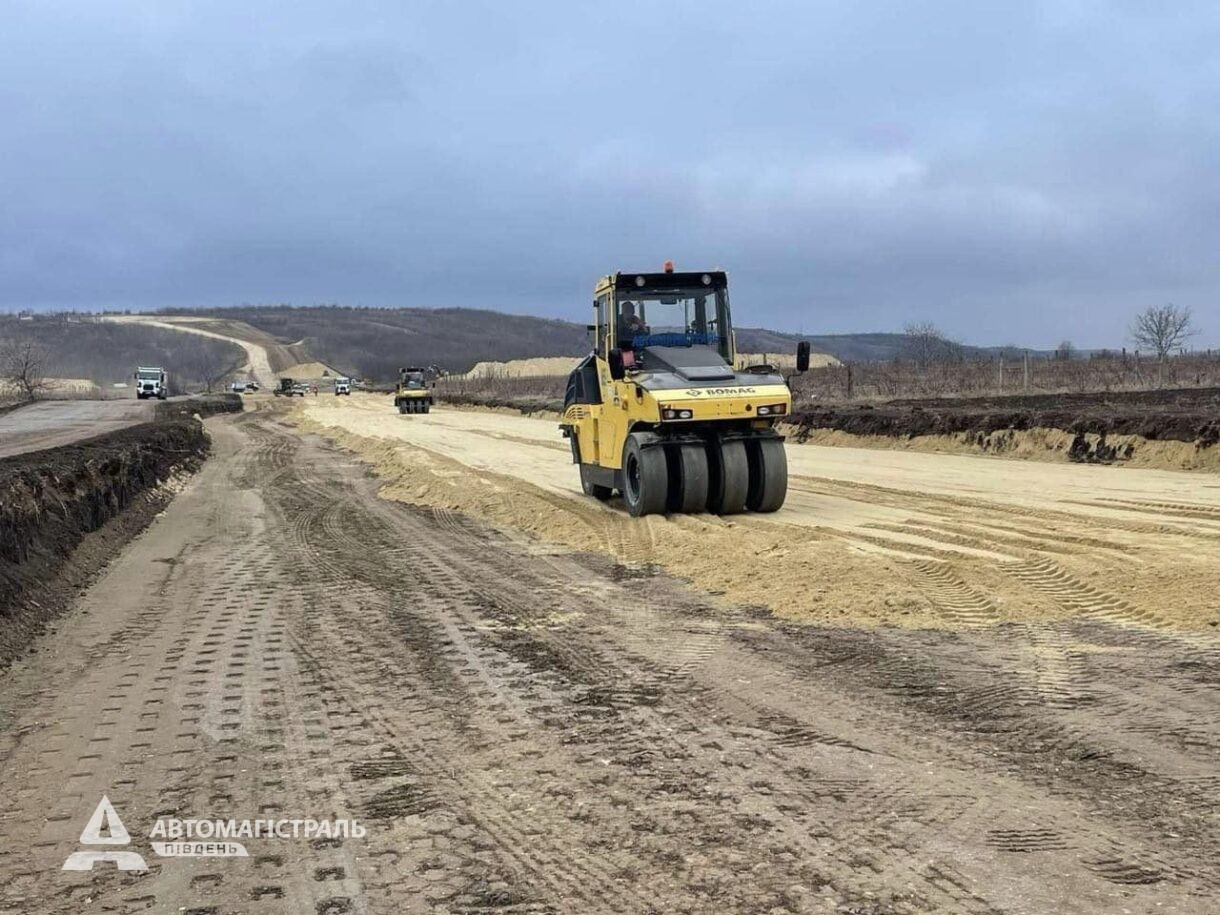
8 kilometers of asphalt pavement have been laid.
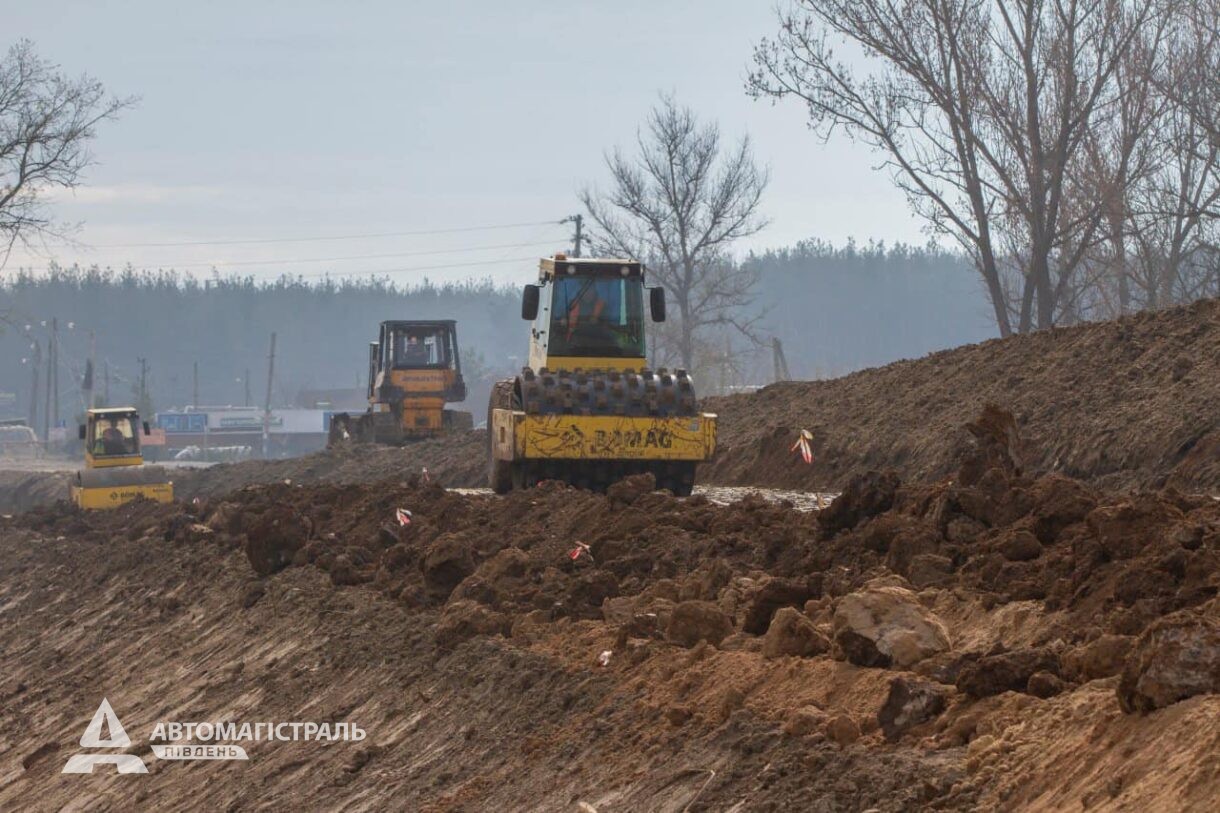
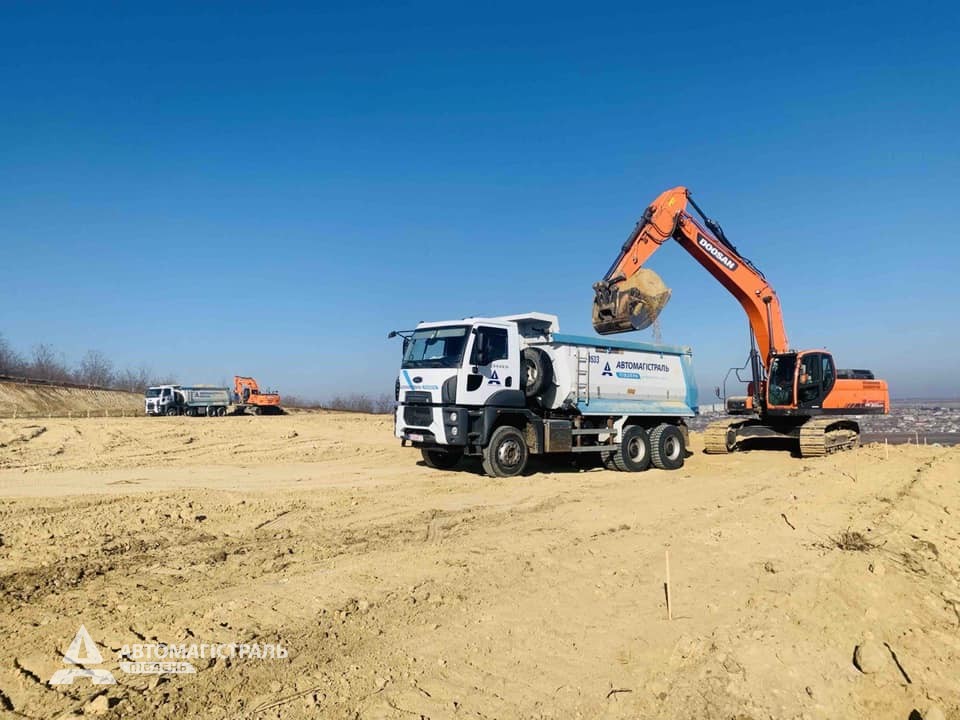
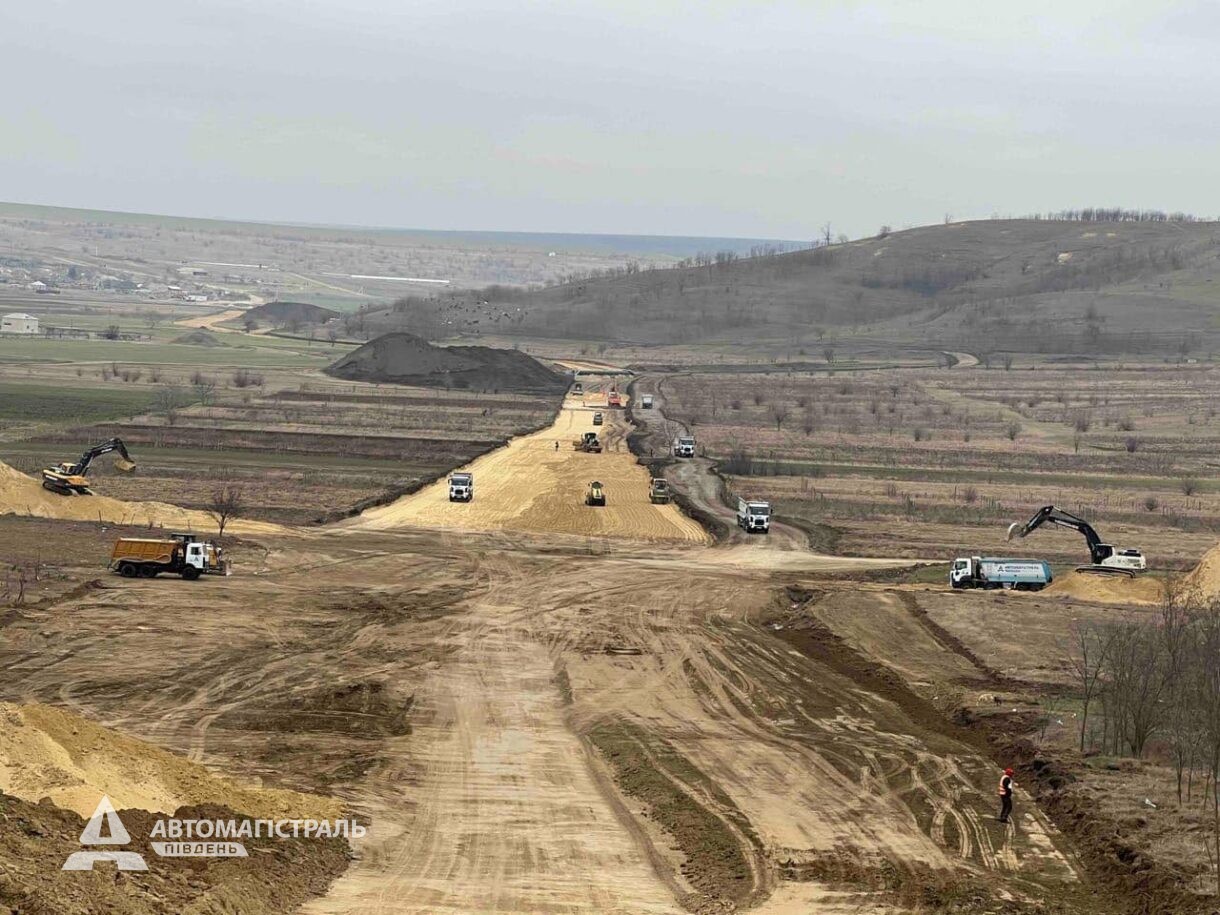
At present, large-scale work is ongoing on a 1.5-kilometer section where four wildlife crossings, each 1.5 meters high and 2 meters wide, are planned. To achieve this, the road is not only being widened to three lanes but also raised by 2 meters.
On one carriageway, the new pavement is already completed, while earthworks continue on the other two-lane (1+1) carriageway. The site employs two bulldozers and two 3D-controlled graders.
The use of modern equipment with automated systems not only speeds up the work but also ensures it is completed precisely according to the project design.
This is the main route from Kyiv to Warsaw and part of the Trans-European Transport Network (TEN-T). The length of our section under repair (from the village of Volia-Vysotska to the border crossing) is 33.4 km.
Before the war, the EBRD carried out a road safety audit, an economic feasibility study, and environmental and social assessments. In 2020, Ukraine and the Bank signed a financing agreement covering a number of projects, including the overhaul of the M-09.
During the war, the project became even more critical – traffic volume increased, and the road’s condition worsened.
Project scope includes: